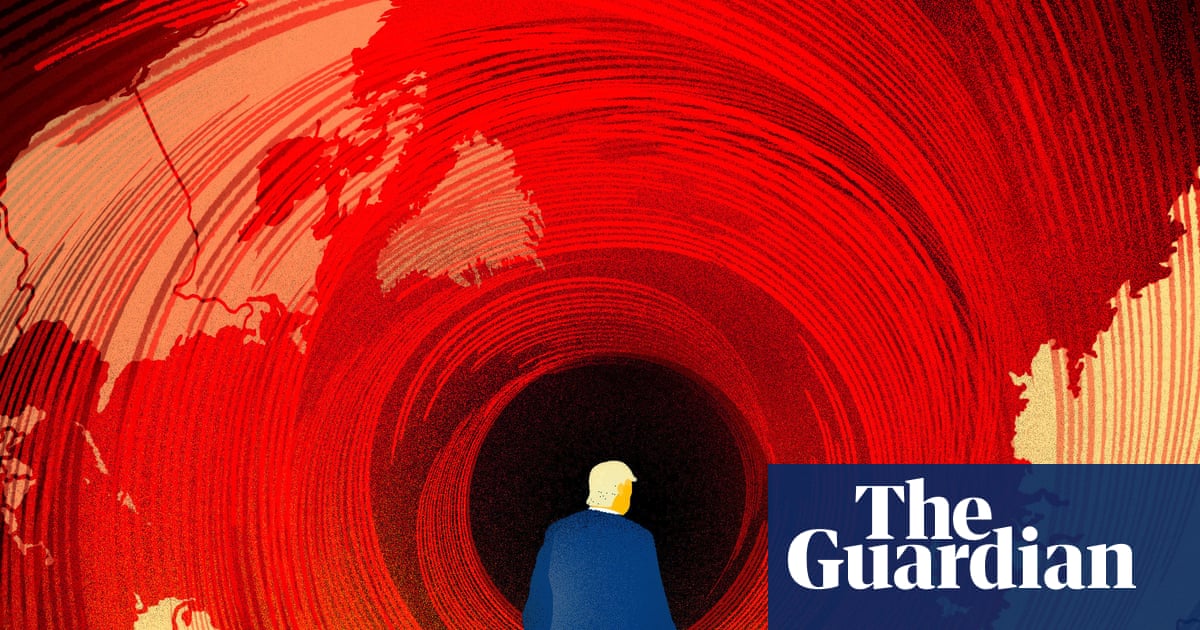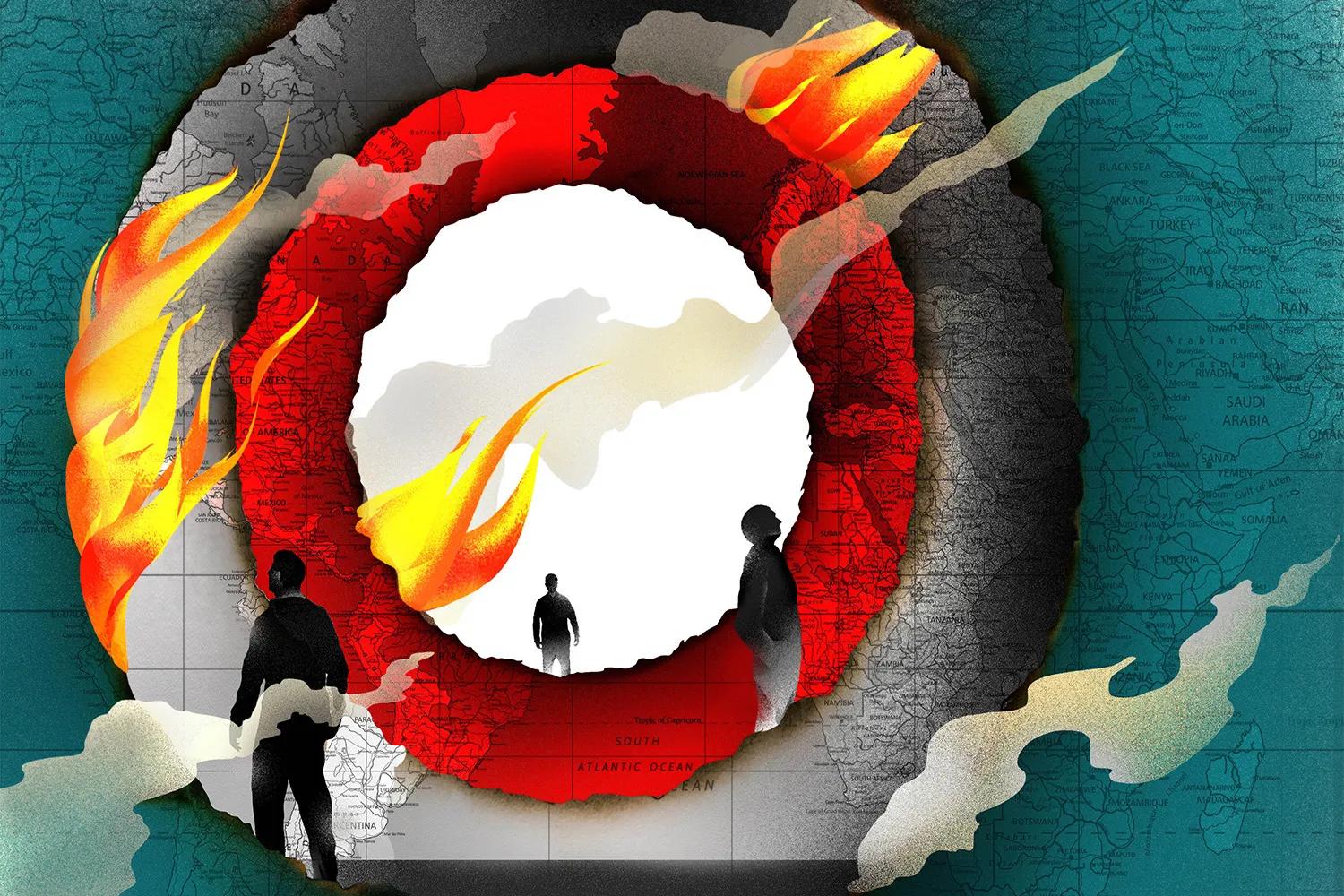
“The old world is dying,” Italian philosopher Antonio Gramsci wrote in 1930, “and the new world struggles to be born.” His Marxist convictions notwithstanding, Gramsci would feel at home in the Trumpian age. The old world, in this case, is the international order that the United States built in the West after World War II and then sought to globalize after its victory in the Cold War. That project brought world-changing peace, prosperity, and freedom. Yet today, the old order has run its course.
For years, revisionist states, especially China and Russia, have been chipping away at that order, and now, the United States sometimes seems to be at war with it as well. Ten years hence, the world will look very different. What we don’t yet know is what awaits on the far side of our interregnum—what form that new world will take.
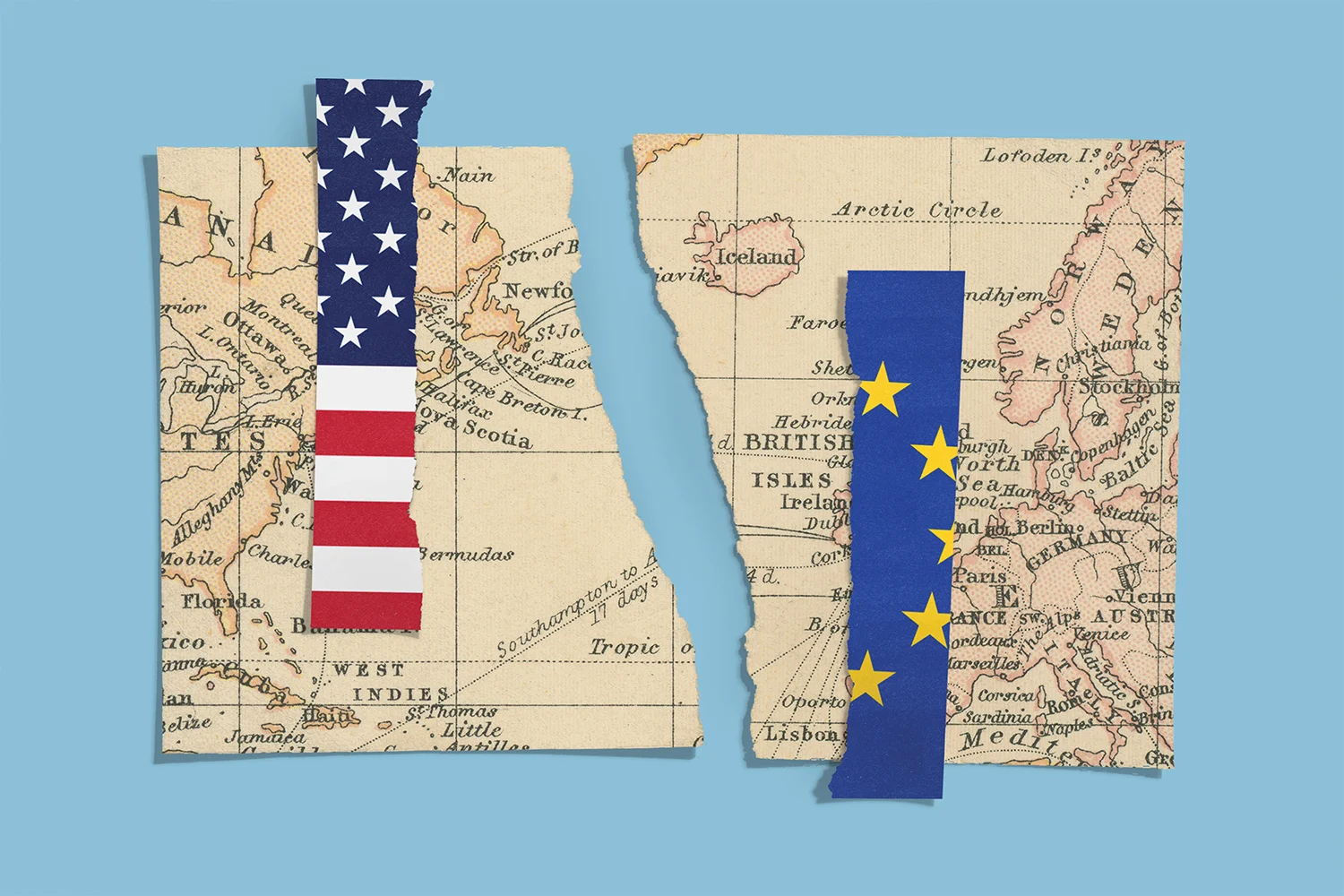
One possibility is a two-worlds scenario reminiscent of the Cold War, in which the globe is divided into dueling blocs led by Washington and Beijing. A second possibility is an age not of two blocs but of several empires, in which an array of potentates capture regional spheres of influence. A third possibility is a self-help world, in which U.S. behavior turns predatory and plunges the system into an anarchic abyss.