Paul Boyer, a psychotherapist for Kaiser Permanente in Oakland, California, is experiencing the artificial intelligence (AI) revolution firsthand. He's a little underwhelmed.
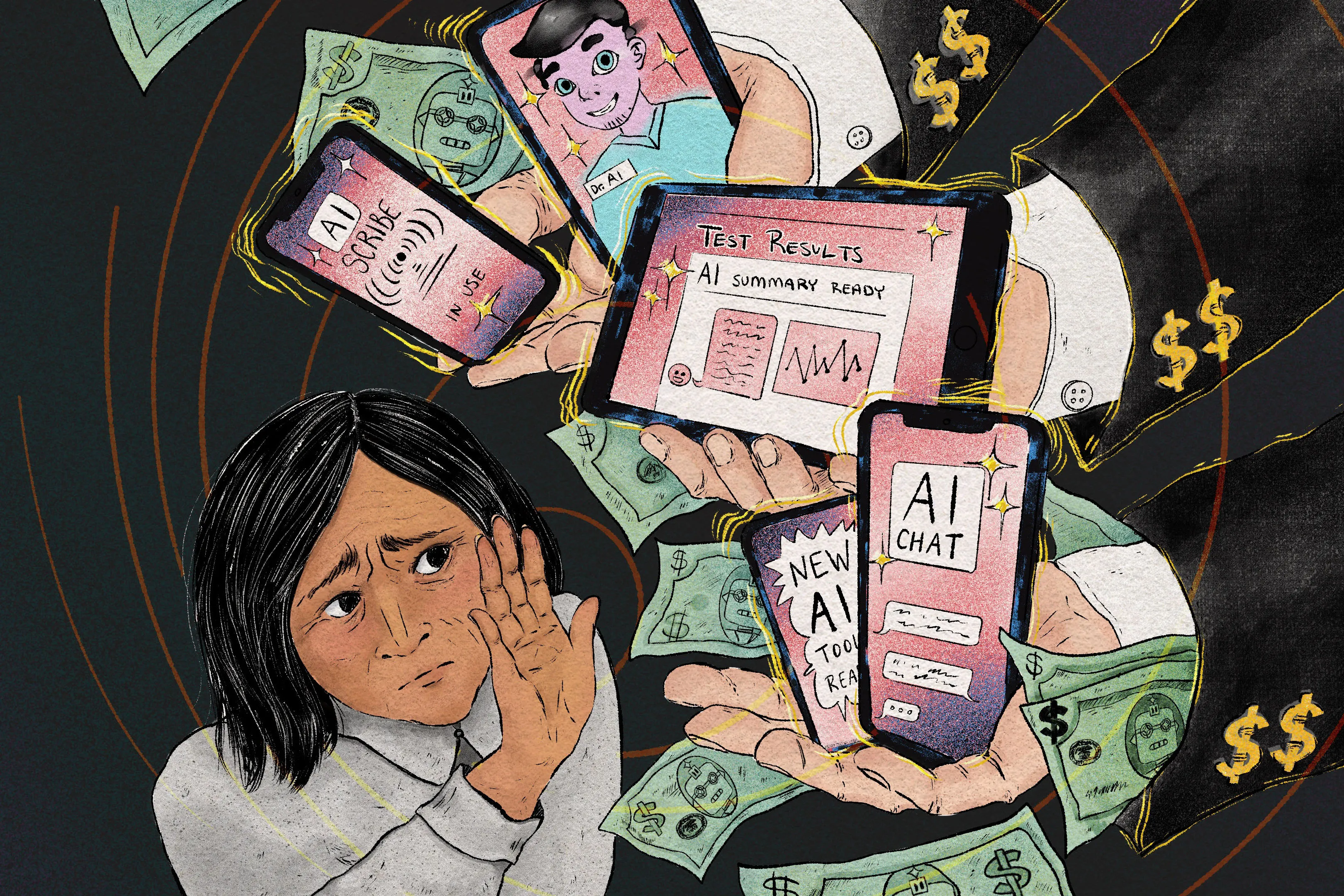
The health giant has rolled out a new suite of note-taking software, made by healthcare AI pioneer Abridge, intended to summarize a patient's visit at supersonic speed. For many clinicians, the technology soothes one of the persistent headaches of their lives -- administration and paperwork.
But the AI scribe caused another headache for Boyer and his colleagues: It is "not super useful." They end up correcting the computer-written notes.
Abridge is "not good at picking up on clinical nuance, at picking up on the emotional tone" that can be critical in the mental health field, Boyer said. For example, for manic patients, what's said is less important than how it's said, Boyer said, and the software struggles with picking up on those cues.
Note-taking software isn't the wave of the future; it's the wave of the present. Hospitals nationwide are implementing it. And researchers are finding some benefits. A year after installation, doctors who used these products the most saved more than half an hour of work daily, according to a study of five hospitals