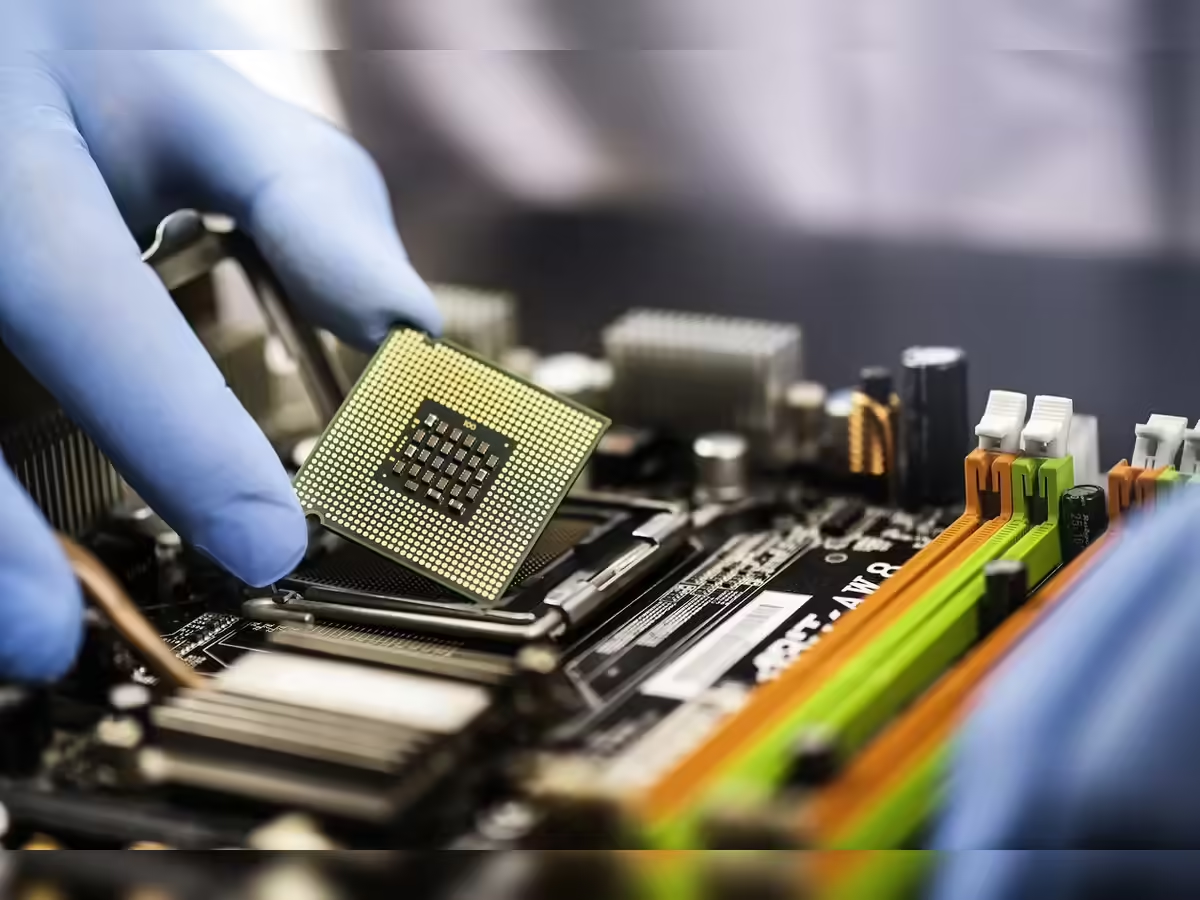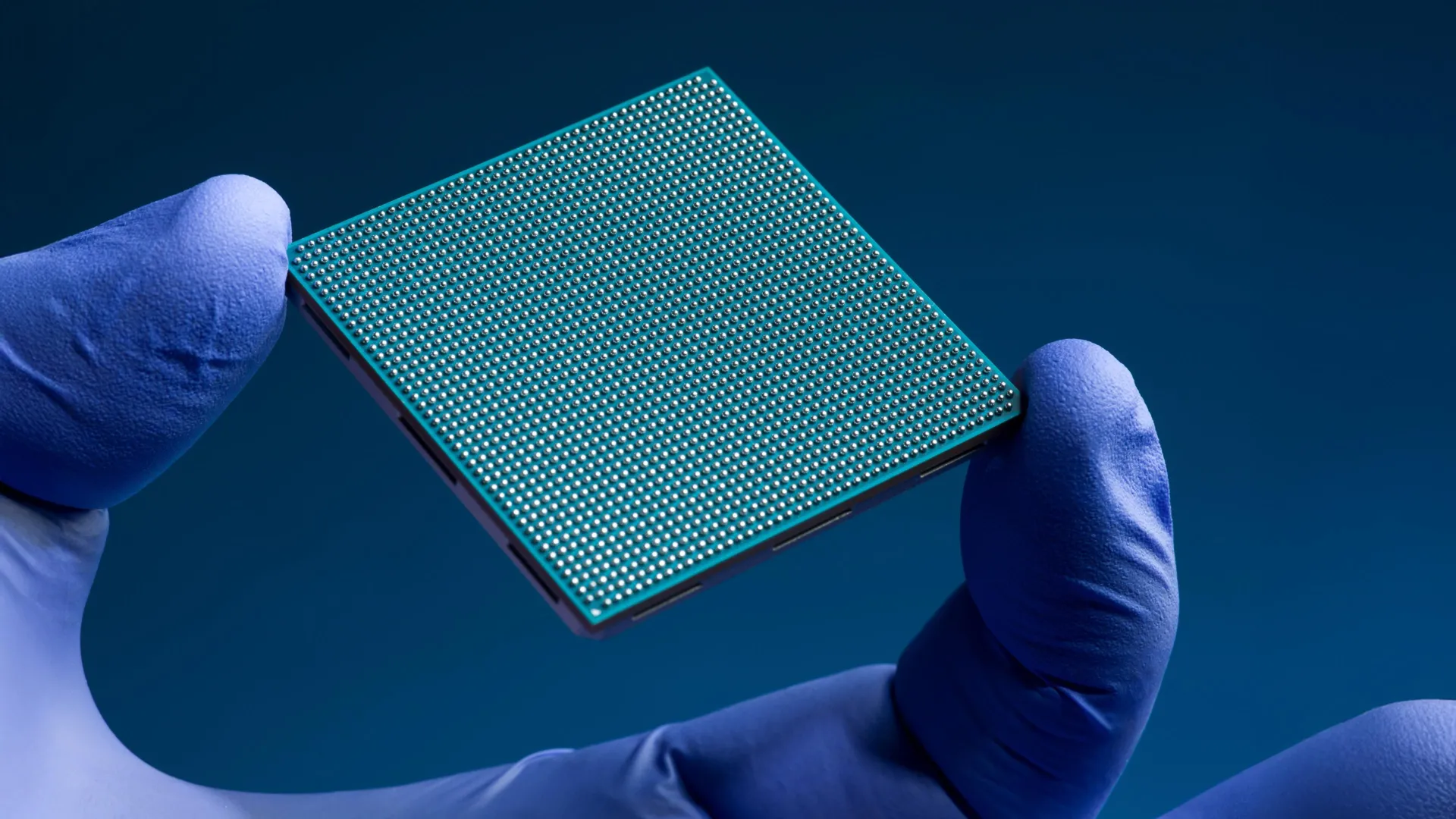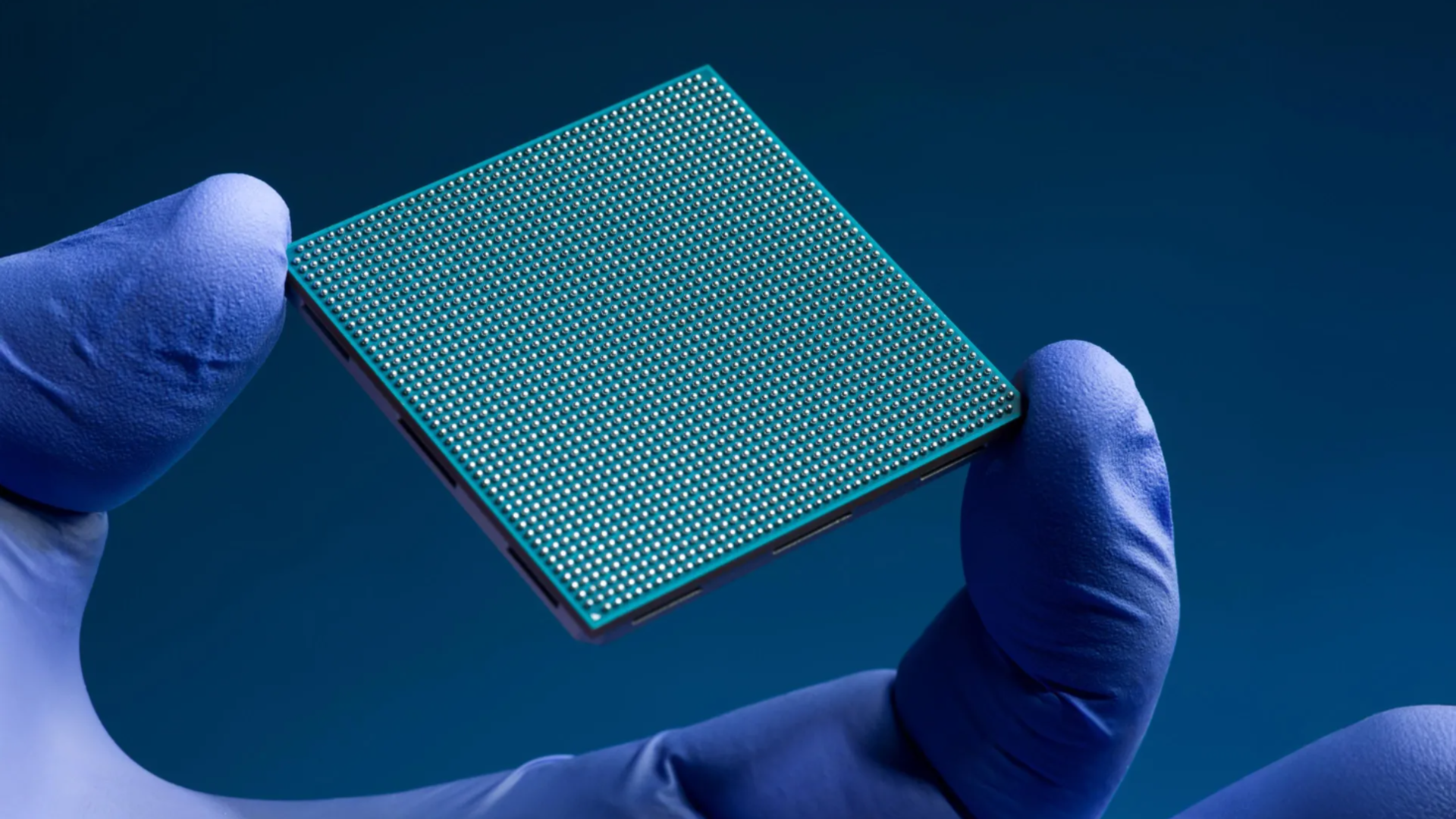
NASA is testing a chip that could significantly enhance the computing power of upcoming missions, allowing spacecraft to respond in real time should something go wrong rather than wait for commands from ground control on Earth. NASA’s High Performance Spaceflight Computing project began testing the next-generation processor in February, sending an email with the subject line “Hello Universe.” So far, the chip has shown promising results, operating at 500 times the computing power of the ones currently in use. A computer chip built for space Unlike standard computer chips, spacecraft need radiation-hardened processors that can withstand extreme temperatures and cosmic radiation that could scramble data. NASA has been using chips on board its spacecraft that were developed years ago, which have proven hardy and reliable. However, it’s time for an upgrade to make way for autonomous spacecraft, as well as faster processing of data to accelerate the rate of scientific discovery and support upcoming astronaut missions to the Moon and Mars.
“Building on the legacy of previous space processors, this new multicore system is fault-tolerant, flexible, and extremely high-performing,” Eugene Schwanbeck, program element manager in NASA’s Game Changing Development program at the Langley Research Center, said in a statement. “NASA’s commitment to advancing spaceflight computing is a triumph of technical achievement and collaboration.”