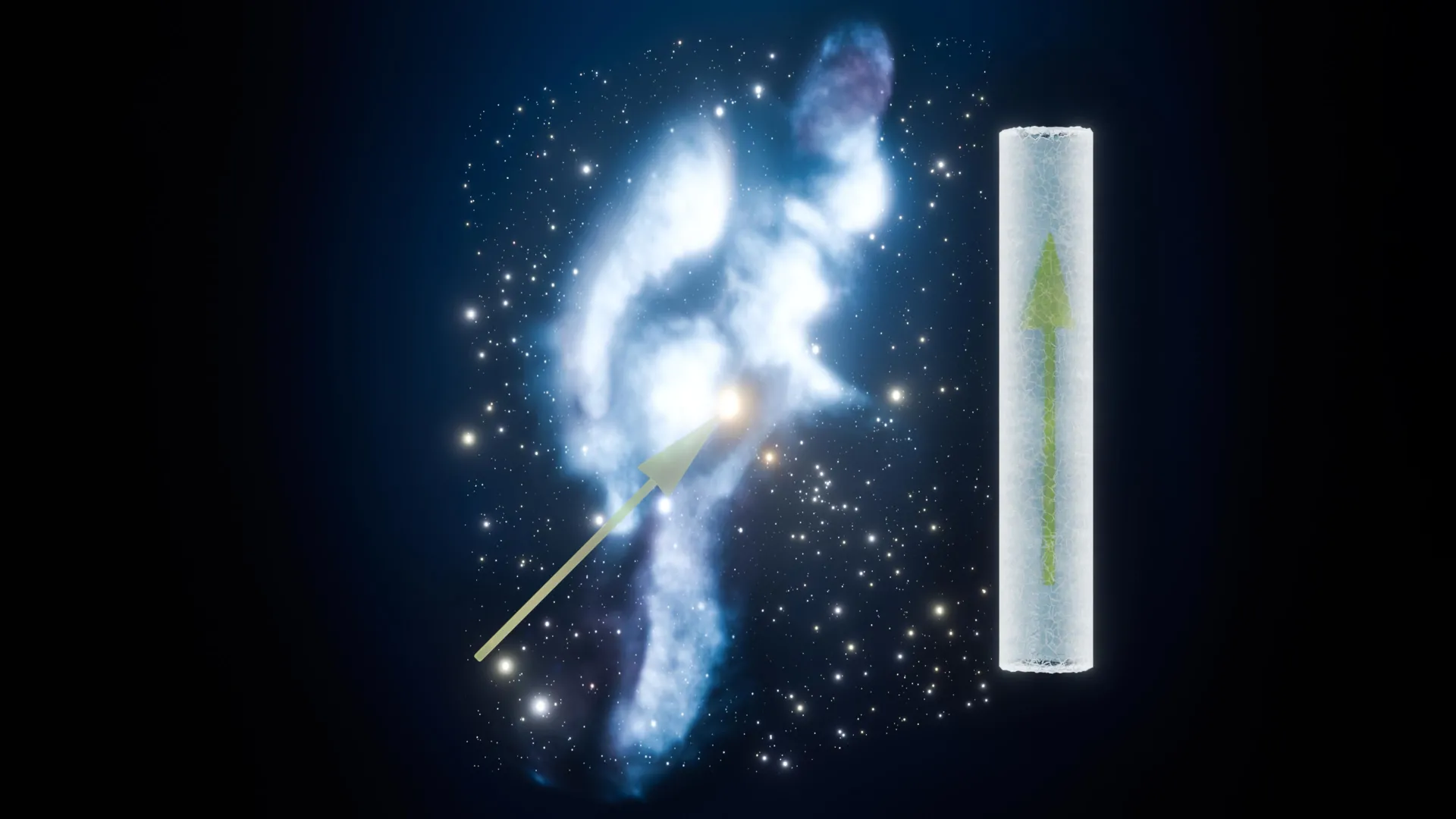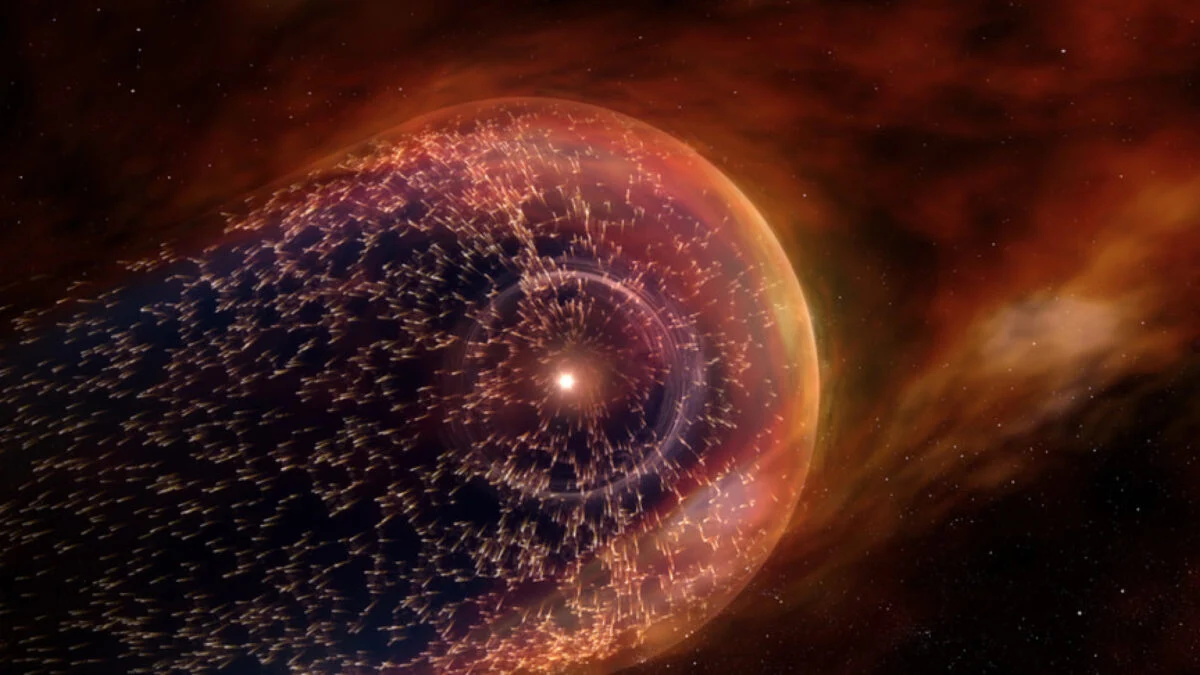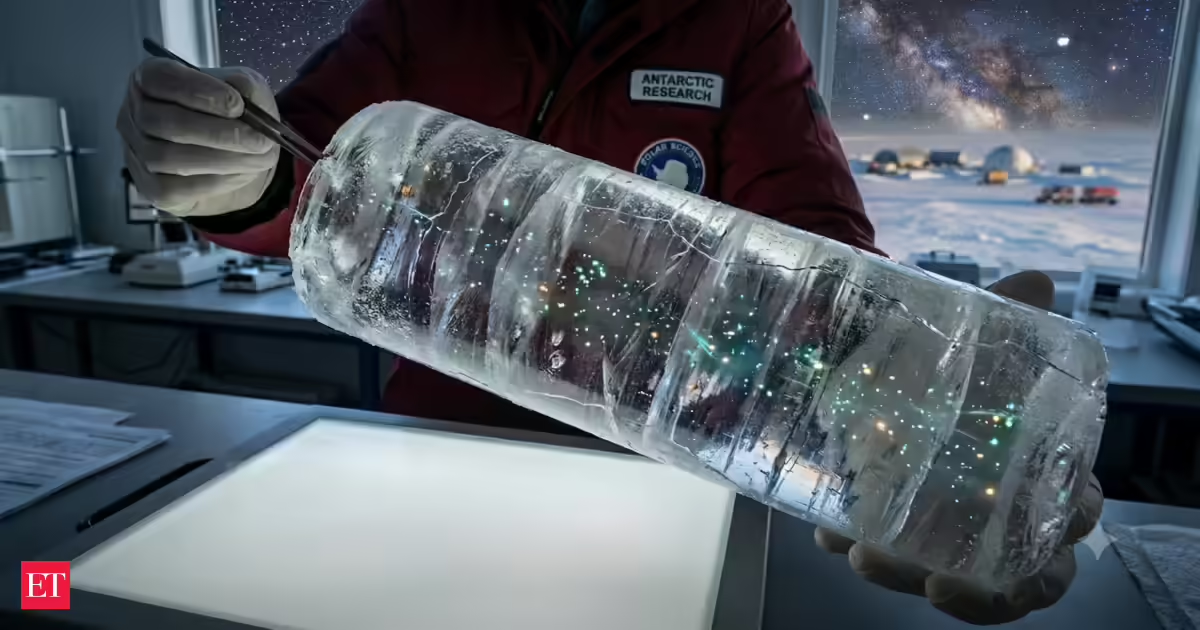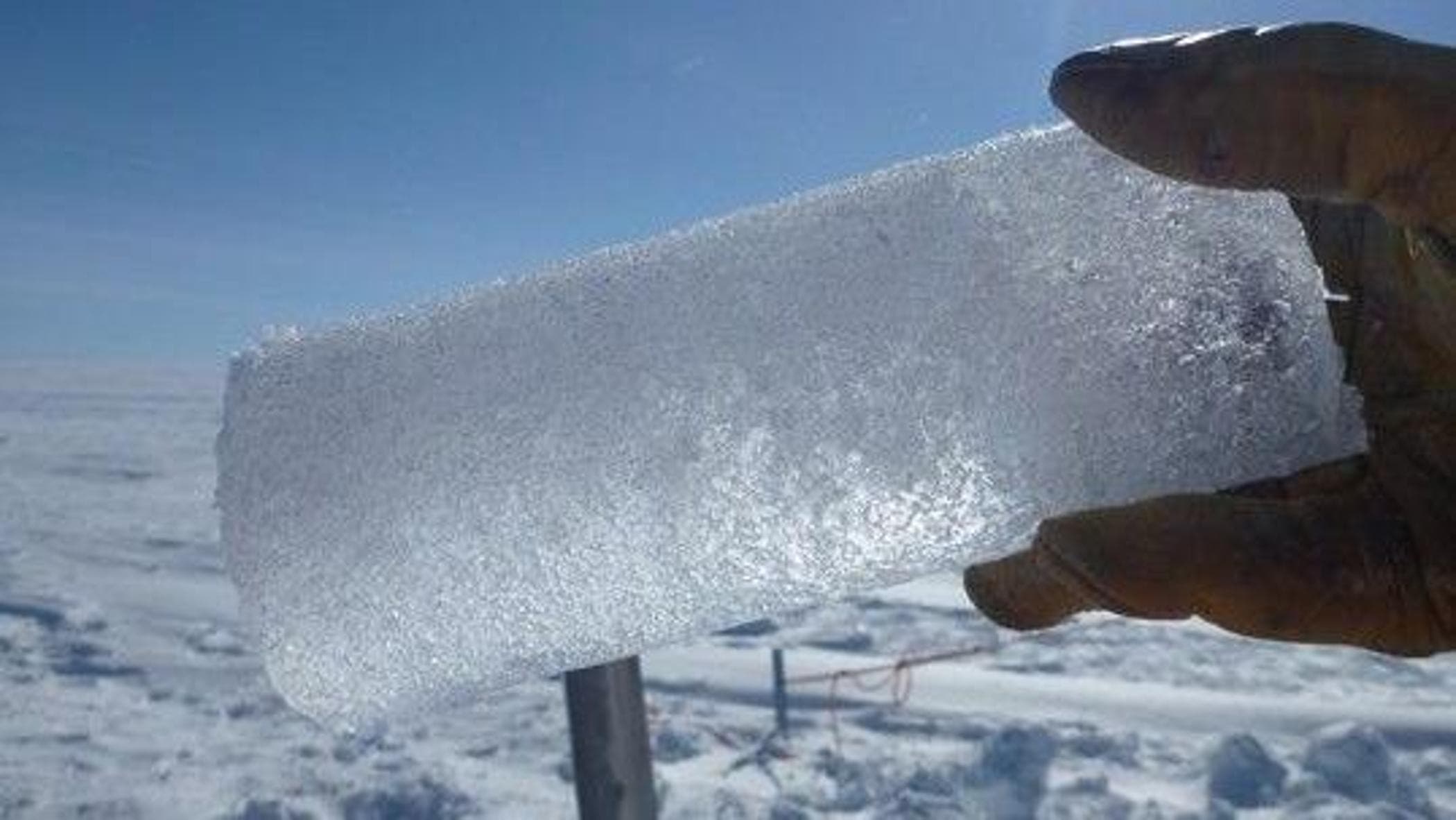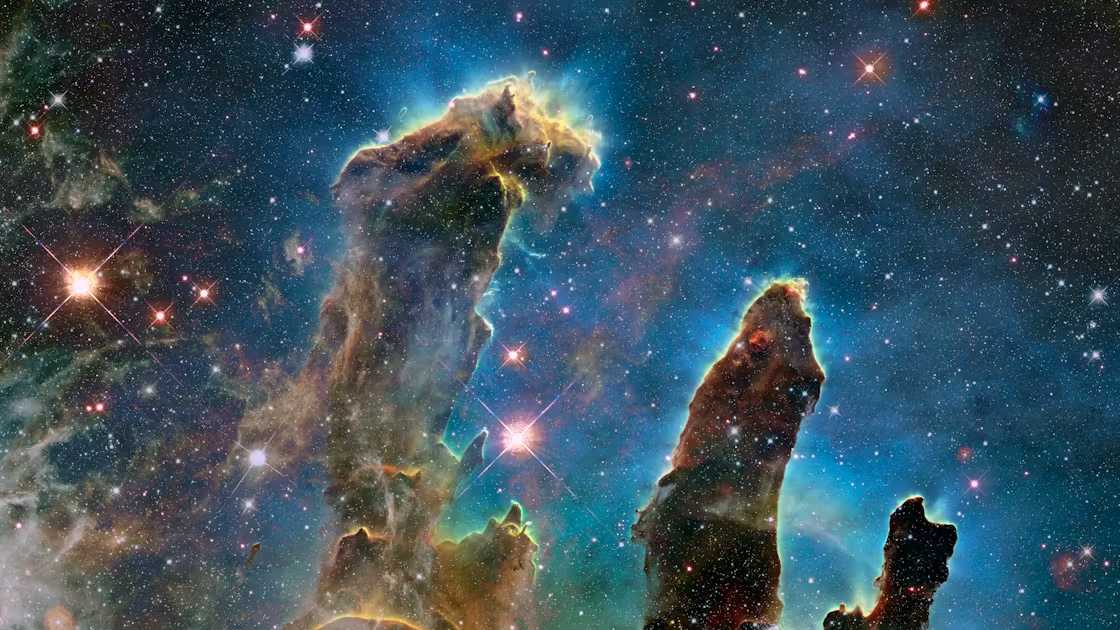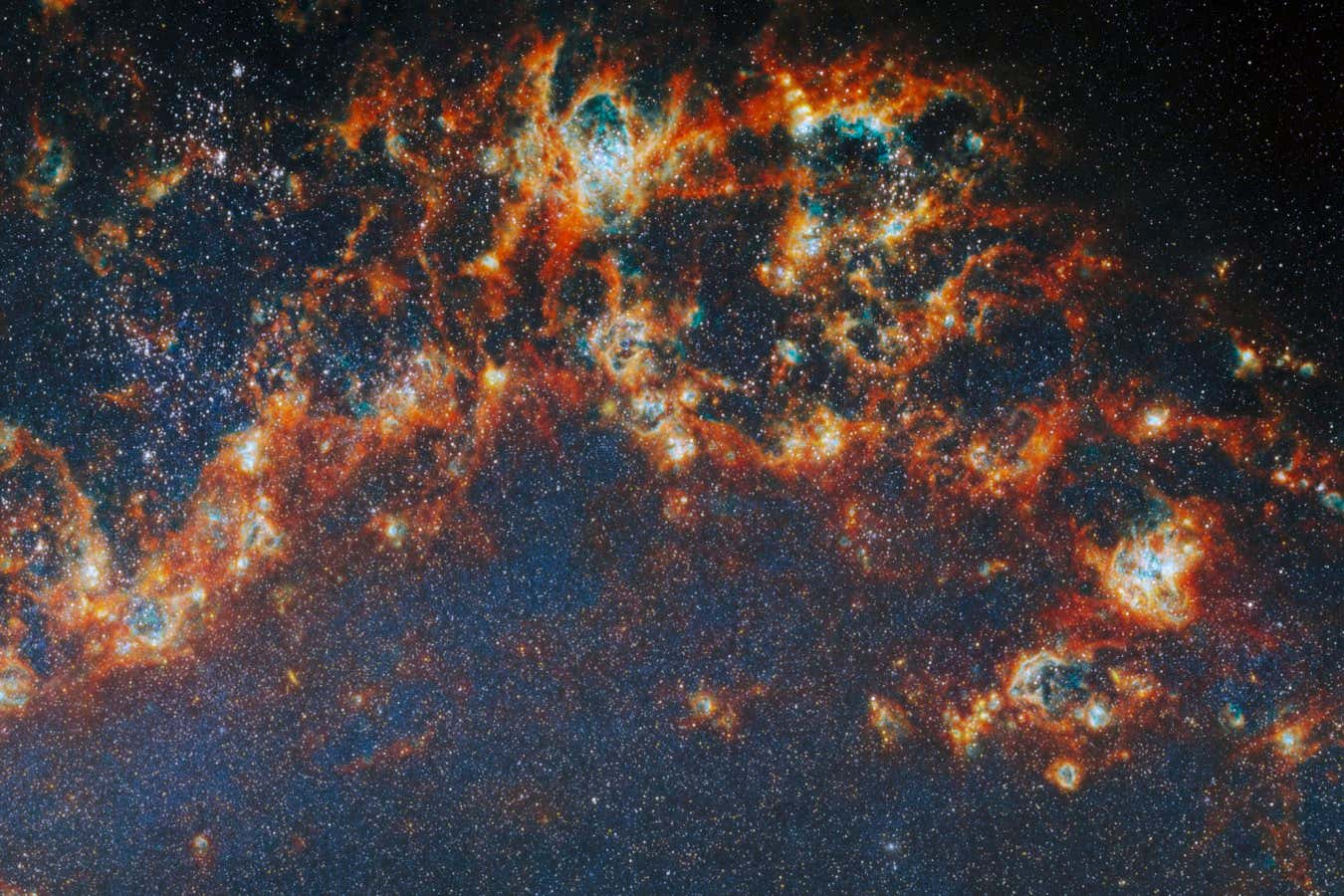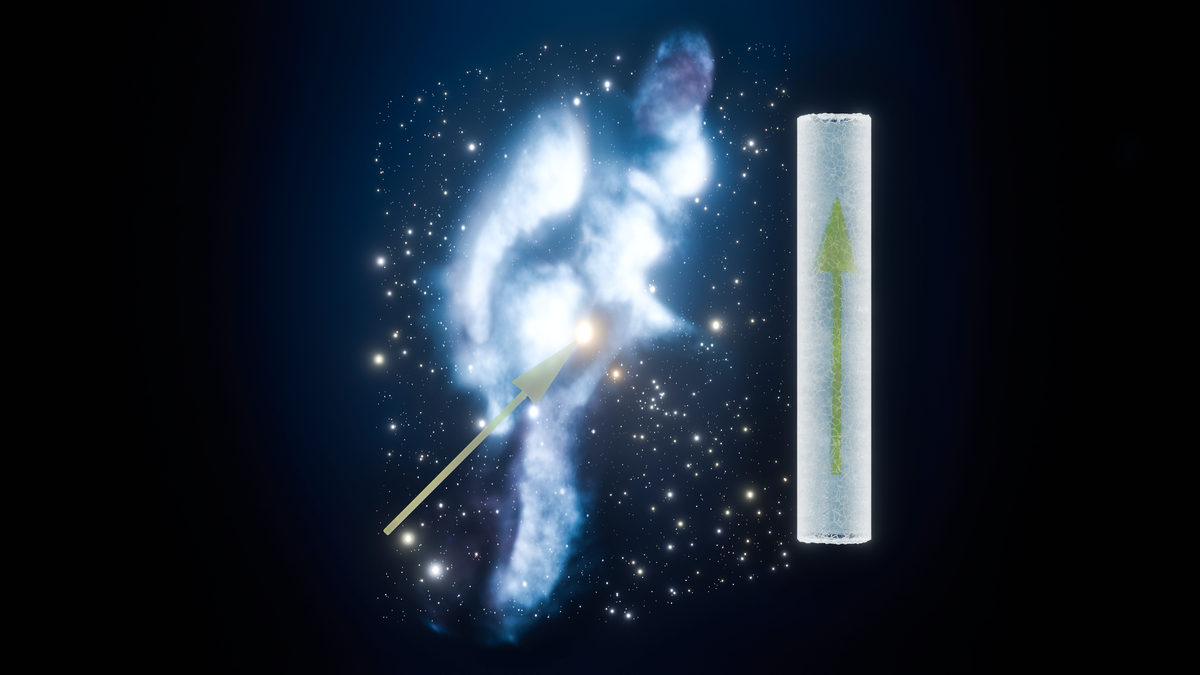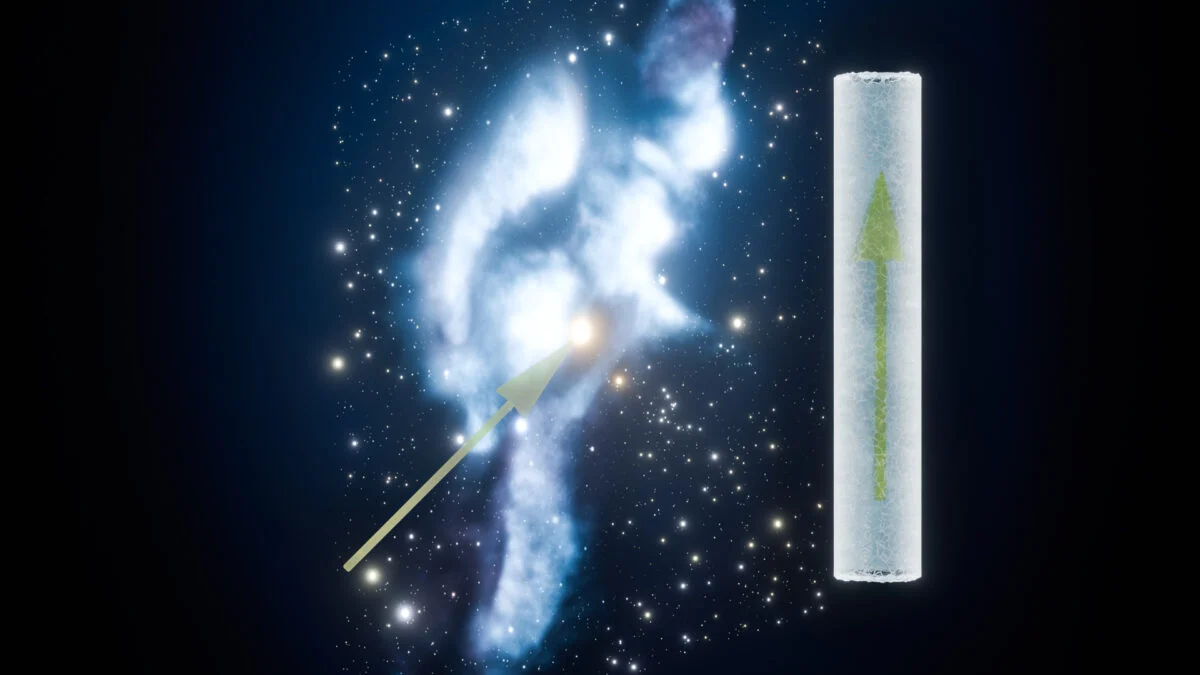
Roughly within the last 20 million years, some stars in our neighborhood exploded in fiery supernovas, ejecting massive clouds of gas and dust into the cosmos. Even now, our solar system—Earth included—is traversing the Local Interstellar Cloud. New evidence from Antarctica suggests the cloud is leaving traces of stardust on Earth. In 2019, researchers led by Australian National University’s Dominik Koll collected about 1,100 pounds (500 kilograms) of recent Antarctic snow. Upon closer inspection, they found the snow contained iron-60, a rare radioactive isotope associated with stellar explosions. After years of follow-up investigations, the team concluded that the most likely explanation was that the Local Interstellar Cloud left behind iron-60, which Antarctic snow recorded over the past 80,000 years. The findings were published yesterday in Physical Review Letters. “The story doesn’t fit perfectly, though,” Koll wrote in a column for The Conversation. The ice samples studied had less iron-60 than anticipated, but they’re nevertheless imprints of the cosmic cloud in Earth’s geological record, he added.
Static, but vibrant According to Koll, it’s not incredibly uncommon for tiny grains of supernova dust to trickle down to Earth’s surface. But that surface teems with activity and drastic changes, which is why Antarctica serves as a valuable location for studying geological records. The snow and ice in Antarctica form a “largely undisturbed” and layered record spanning tens of thousands of years, he added.