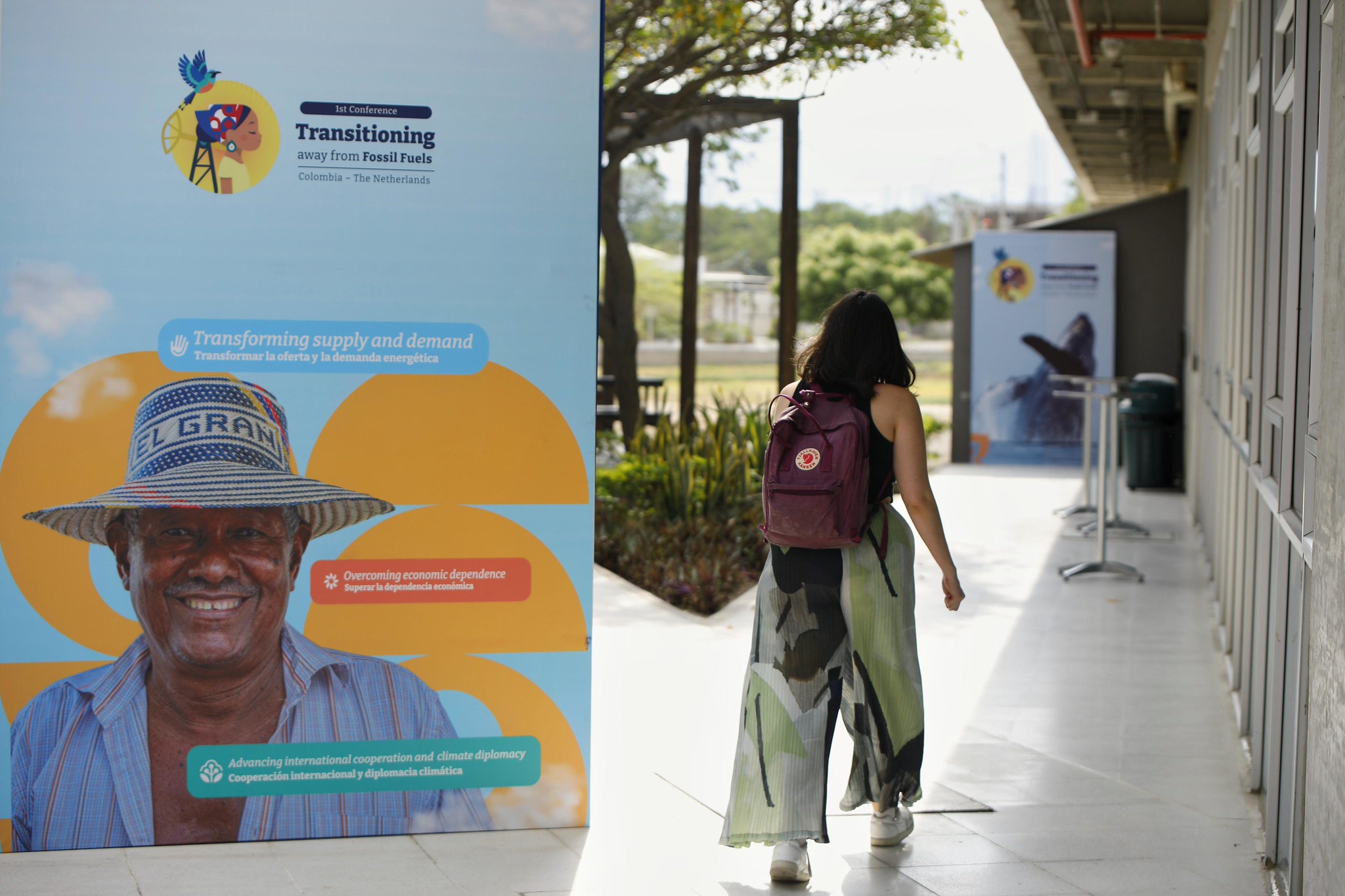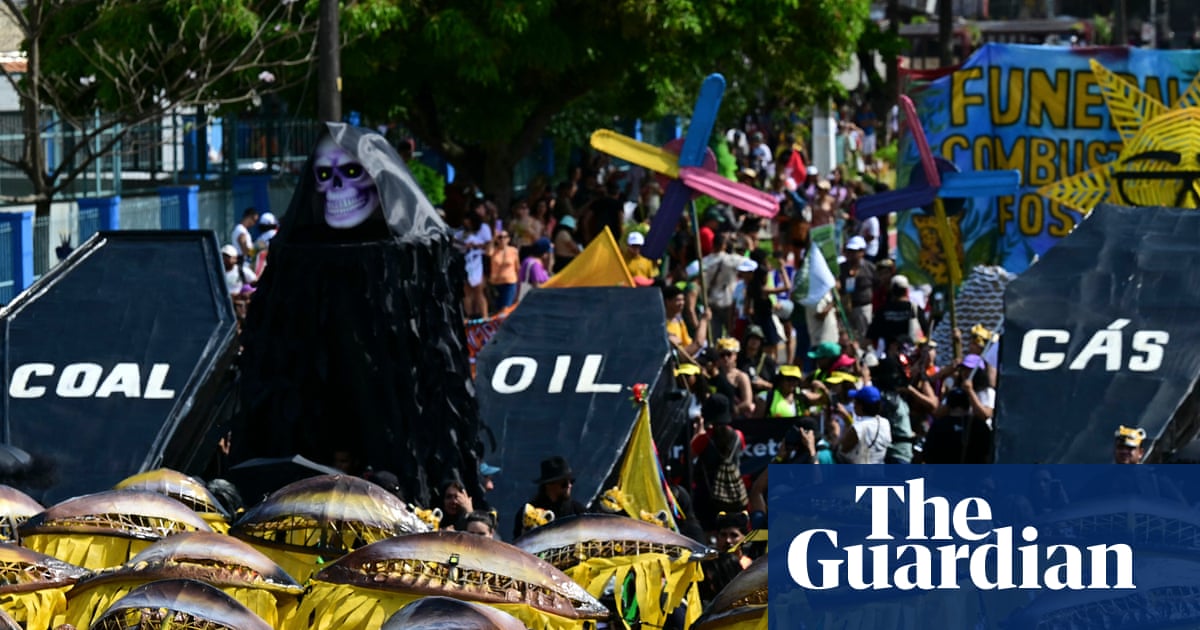
Harjeet Singh is a climate activist and strategic advisor to the Fossil Fuel Treaty Initiative, as well as founding director of the Satat Sampada Climate Foundation.For thirty years, global climate talks perfected policy paralysis around the primary cause of the climate crisis: fossil fuels. Within the UNFCCC negotiations, the “consensus card” was played with surgical precision by the fossil fuel industry and wealthy producer nations to block meaningful action.For decades, talks were restricted to the “demand side” – reducing emissions – while the “supply side” – the extraction of oil, gas, and coal – was treated as a forbidden subject. This so-called progress was a treadmill, leading nowhere despite plenty of sweat.The breaking point: from Belém to Santa MartaThe failure peaked at COP30 in Belém, where, despite widespread support, the final outcome contained no fossil fuel phase-out mandate. Instead, the world watched as the COP30 Presidency announced a “roadmap” initiative at the very end of the talks – a face-saving measure that lacked formal standing in the process.The halls of Belém were once again crawling with lobbyists, ensuring that “consensus” remained a tool for delay. Recognising the UNFCCC logjam, Global South countries in the Fossil Fuel Treaty Initiative demanded a series of dedicated conferences.Colombia, the biggest producer among them, broke the status quo by pioneering this new path: the First International Conference on Transitioning Away from Fossil Fuels, joined by the Netherlands as co-host.The pioneering conference in Santa Marta in late April moved us from the “if” to the “how”, signalling a shift from airy pledges to the reality of implementation. But as the dust settles, a more ancient struggle is resurfacing: the struggle for the “pen”.The invisible hand of controlHistory shows that when developed nations can no longer block a process, they attempt to colonise it. In Santa Marta, we witnessed the opening gambit of a familiar play – exclusion followed by takeover. Critics signalled this early on in an open letter, calling out the systemic disregard for African lives and environments in global policy and the persistent marginalisation of Indigenous Peoples’ voices and concerns.Under the guise of “technical support”, wealthy nations fought to steer the outcome of workstreams towards Global North-dominated institutions. Despite the expertise they may bring, why are the recognised bodies for this process exclusively based in an area representing only 20% of the world’s population?The hastily assembled report containing the “Chairs’ Takeaways” from Santa Marta requires scrutiny and raises the following concerns:
Developing countries must hold the pen to script the fossil fuel transition
While the Santa Marta summit has broken the UNFCCC deadlock on phasing out fossil fuels, the new process must not be taken over by Global North nations and their institutions
1,029 words~5 min read