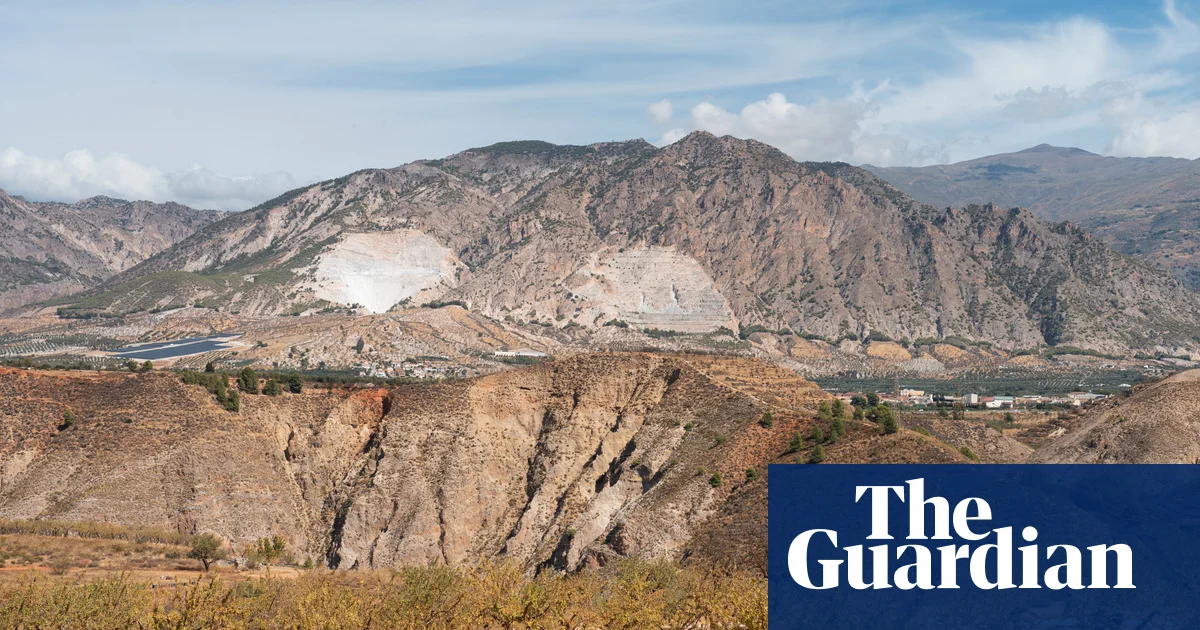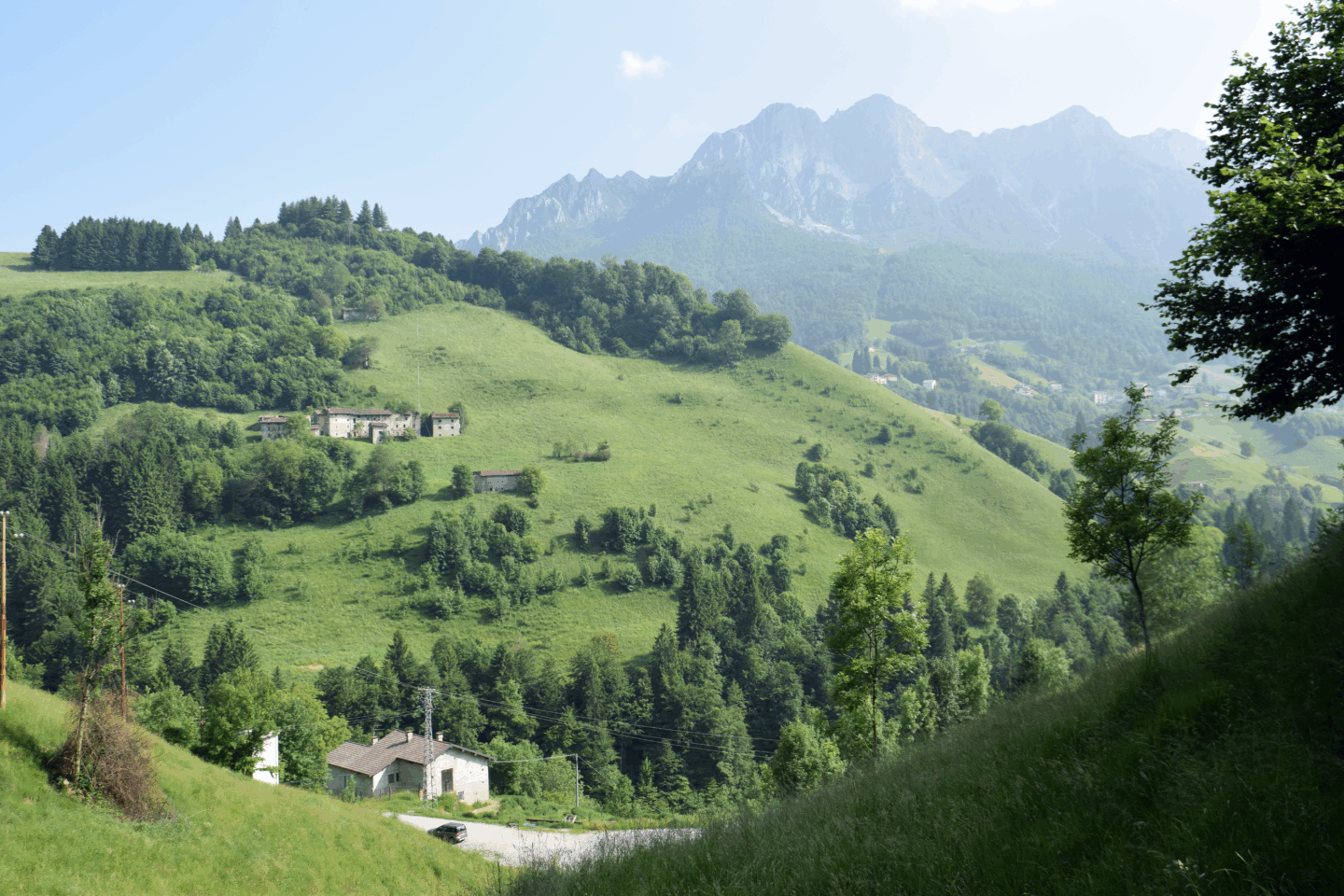
Nestled among the undulating hills of Galicia in northern Spain, where wild horses and cattle have grazed for centuries, Europe’s hopes for clean energy security lie buried deep beneath the ground – for now.The Mina Doade lithium project is one of 23 extractive mining sites designated as “strategic” by Brussels under the Critical Raw Materials Act (CRMA) to boost production of minerals vital for making solar panels, wind turbines and batteries for electric vehicles.That designation means environmental permitting procedures will be streamlined, potentially fast-tracking Mina Doade’s final approval.But the mining site lies just less than one kilometre from protected land, and the project’s sensitive location is fuelling opposition among conservation groups and local residents, who say it threatens rich biodiversity in the protected Atlantic wet heathlands and forest ecosystem as well as the area’s water supplies.“They say lithium is strategic – but for us, water is,” said Ibán Losada, a young forestry worker, adding that the rolling grasslands around Mina Doade are home to threatened species such as the Iberian wolf and red kite.Mina Doade’s owner, Recursos Minerales de Galicia, did not respond to several requests for comment. The project’s website emphasises a focus on limiting its environmental impact, saying it will minimise noise, dust and water consumption.
Rush for critical minerals tests Europe’s resolve to protect nature
A Climate Home News investigation found that more than half of the EU’s “strategic” mineral projects lie on, or within a kilometre, of protected sites
1,777 words~8 min read