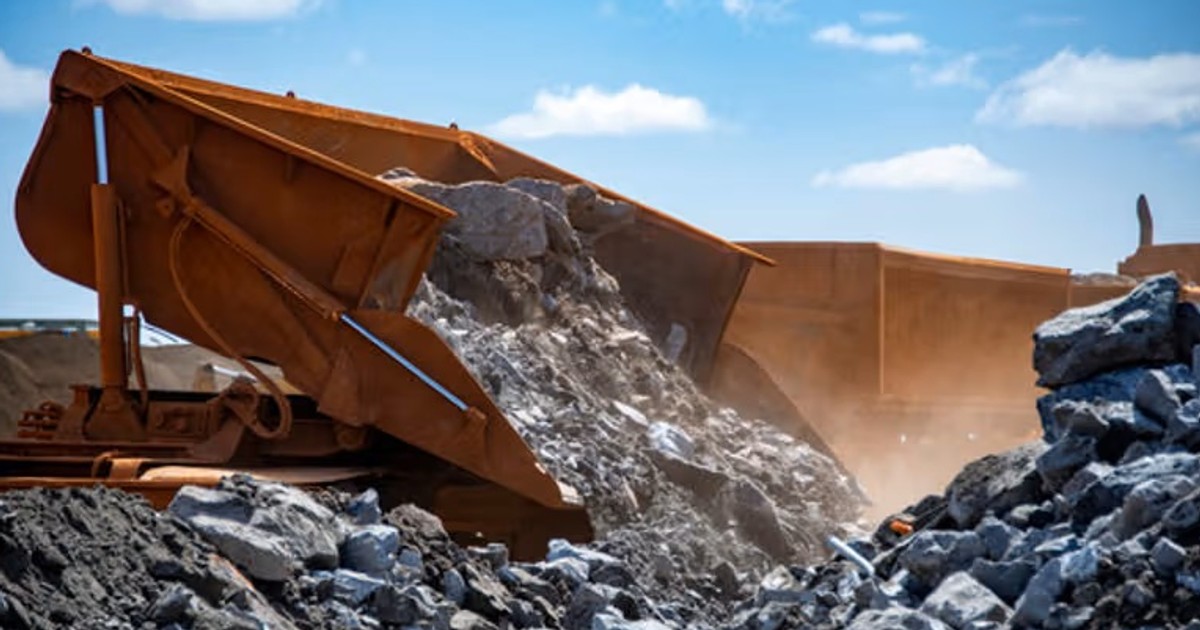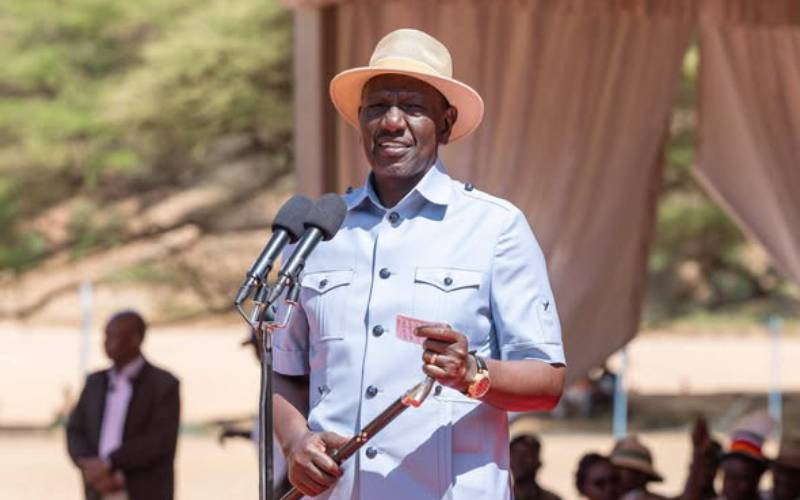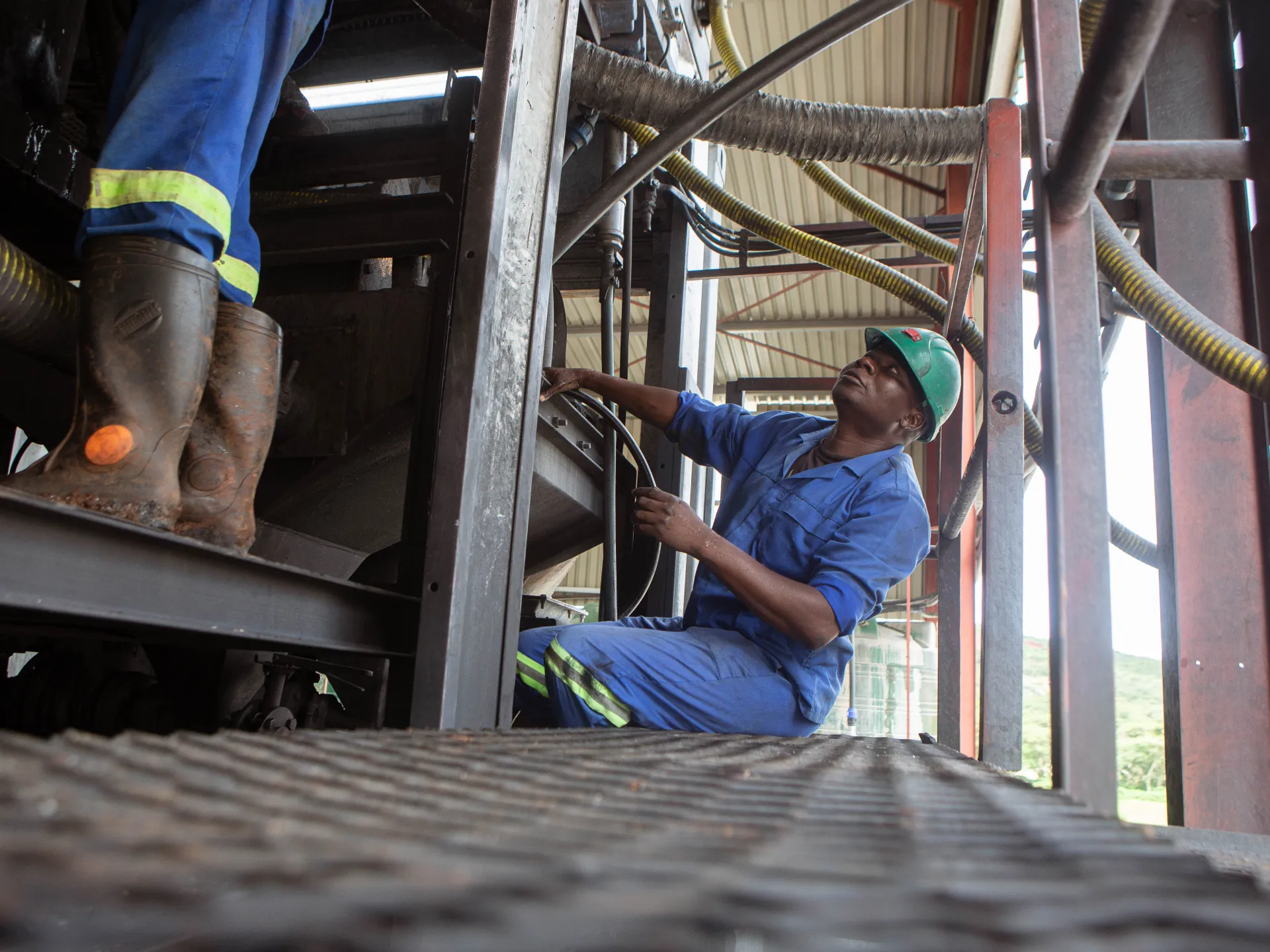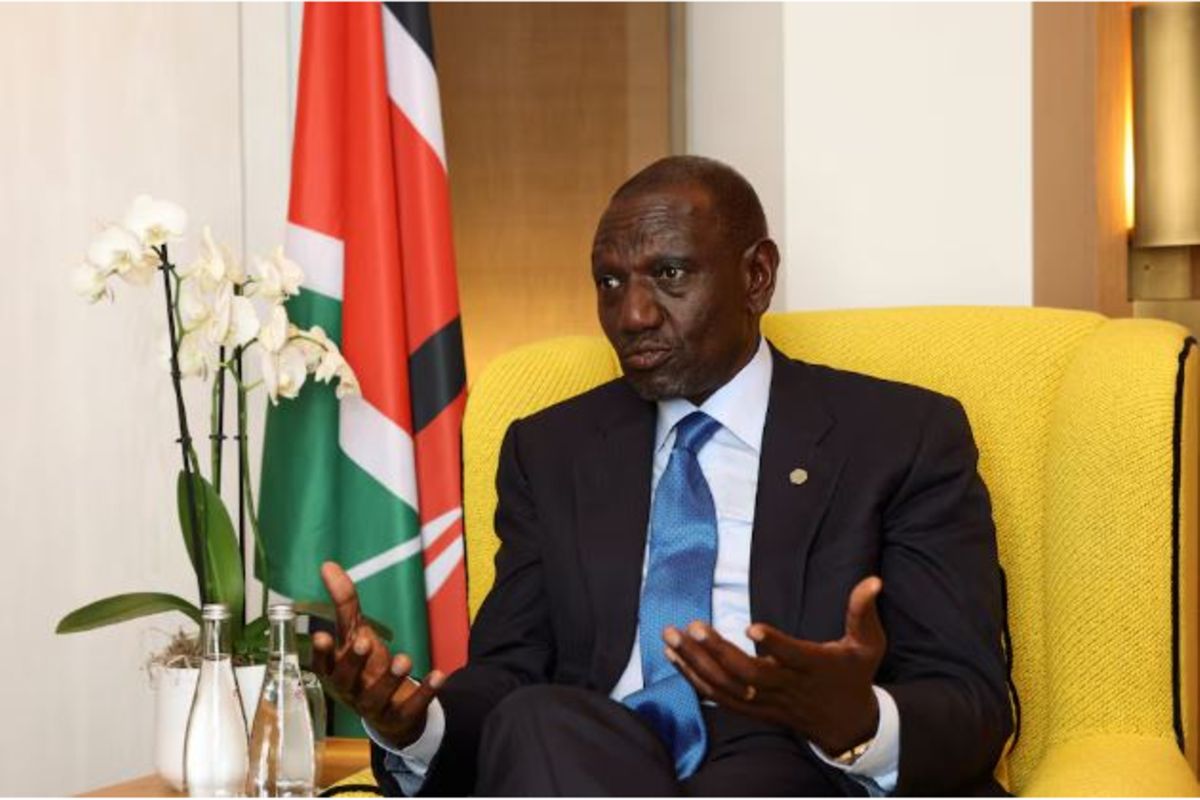
African leaders have intensified calls for governments to stop exporting raw minerals and step up efforts to align their policies, share infrastructure and coordinate investment to add value to their resources and bring economic prosperity to the continent. In a speech to the inaugural Kenya Mining Investment Conference & Expo in Nairobi this week, Kenyan President William Ruto became the latest African leader to confirm the country will end exports of raw mineral ore. The East African nation has deposits of gold, iron ore and copper and recently launched a tender for global investors to develop a deposit of rare earths, which are used in EV motors and wind turbines, valued at $62 billion.Kenya is among more than a dozen African nations that have either banned or imposed export curbs on their mineral resources as they seek to process minerals domestically to boost revenues, create jobs and capture a slice of the industries that are producing high-value clean tech for the energy transition.“For too long we have extracted and exported raw materials at the bottom of the value chain, while others have processed, refined, manufactured and captured the greater share of economic value,” Ruto told African ministers and stakeholders gathered at the mining investment conference in Nairobi.As a result, Africa currently captures less than 1% of the value generated from global clean energy technologies, he said. To address this, Kenya, in collaboration with other African nations, “will process our minerals here in the continent, we will refine them here and we will manufacture them here”, he added.Mineral export restrictions on the riseAfrica is a major supplier of minerals needed for the global energy transition. The continent holds an estimated 30% of the world’s critical mineral reserves, including lithium, cobalt and copper. The Democratic Republic of Congo produces roughly 70% of global cobalt, a key ingredient in lithium-ion batteries, while countries such as Guinea dominate bauxite production, and Mozambique and Tanzania hold significant graphite deposits.But African governments have struggled to attract the investment needed to turn their vast mineral wealth into a green industrial powerhouse. Recently Burundi, Malawi, Nigeria and Zimbabwe are among those that have resorted to banning the export of unrefined minerals to incentivise foreign companies to invest in value addition locally.Outdated geological data limits Africa’s push to benefit from its mineral wealthThis week, Zimbabwe exported its first shipments of lithium sulphate, an intermediate form of processed lithium that can be further refined into battery-grade material, from a mine and processing plant operated by Chinese company Zhejiang Huayou Cobalt.After freezing all exports of lithium concentrate – the first stage of processing – earlier this year, the government introduced export quotas and will ban all exports from January 2027.Export restrictions on critical raw materials have grown more than five-fold since 2009, found a report by the Organisation for Economic Co-operation and Development (OECD) published this week. In 2024, a more diverse group of countries, including many resource-rich developing economies in Africa and Asia, introduced restrictions, including Sierra Leone, Nigeria and Angola.
Kenya seeks regional coordination to build African mineral value chains
Kenyan President William Ruto is the latest African leader to announce an end to raw mineral exports as governments want to add more value to their resources
995 words~5 min read