Editing: Helen Popper
Curbs on raw minerals exports by more than a dozen African countries are unlikely to kickstart home-grown processing industries unless they are accompanied by major investments in energy infrastructure, private sector partnerships and regional cooperation, mining analysts say.
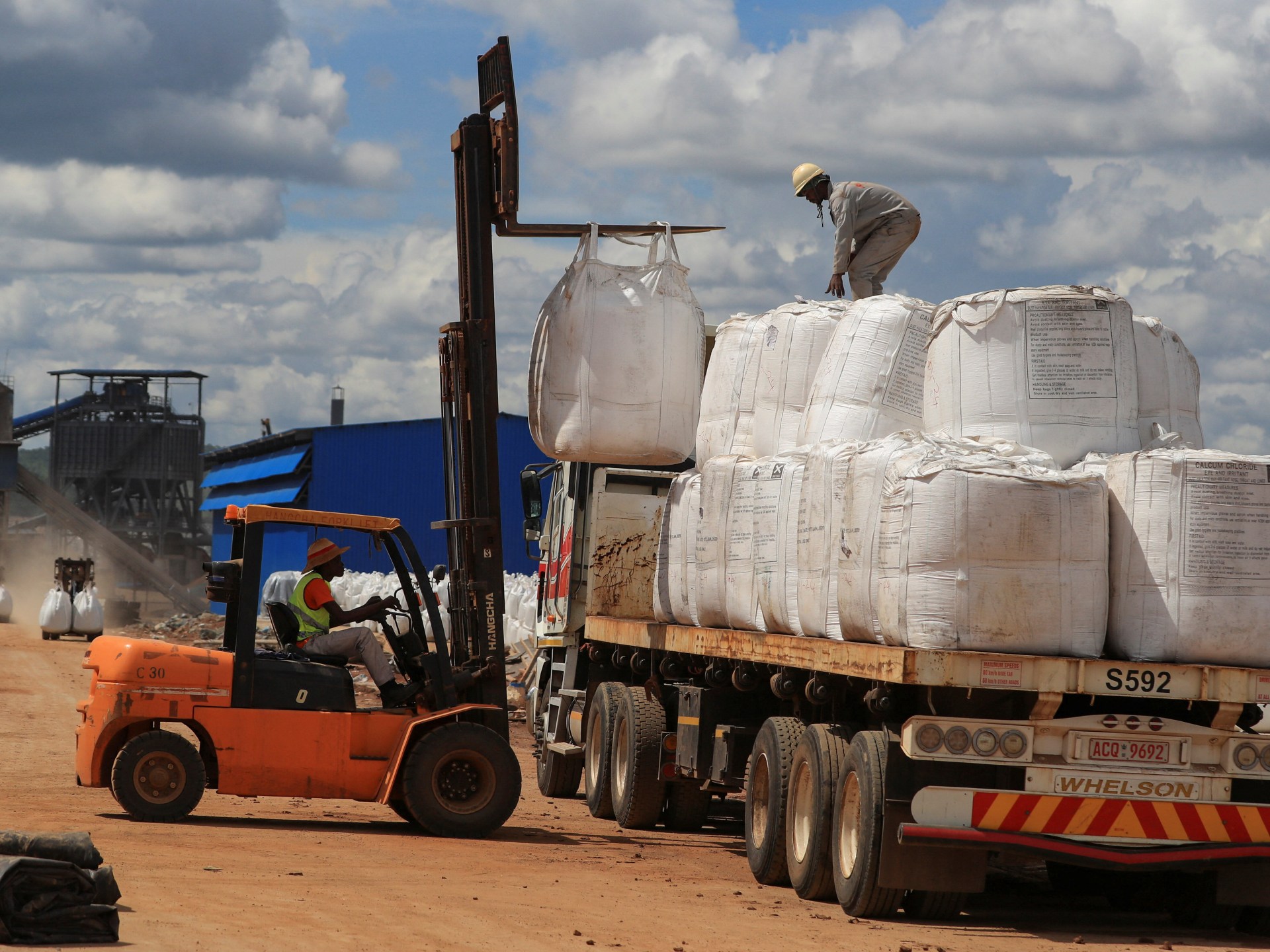
Last month, Zimbabwe became the latest African country to announce new restrictions, banning the export of all raw minerals and lithium concentrates. So far, at least 13 African countries have enacted export curbs since 2023 as they seek to add value to their exports and create local jobs by processing and refining minerals domestically.
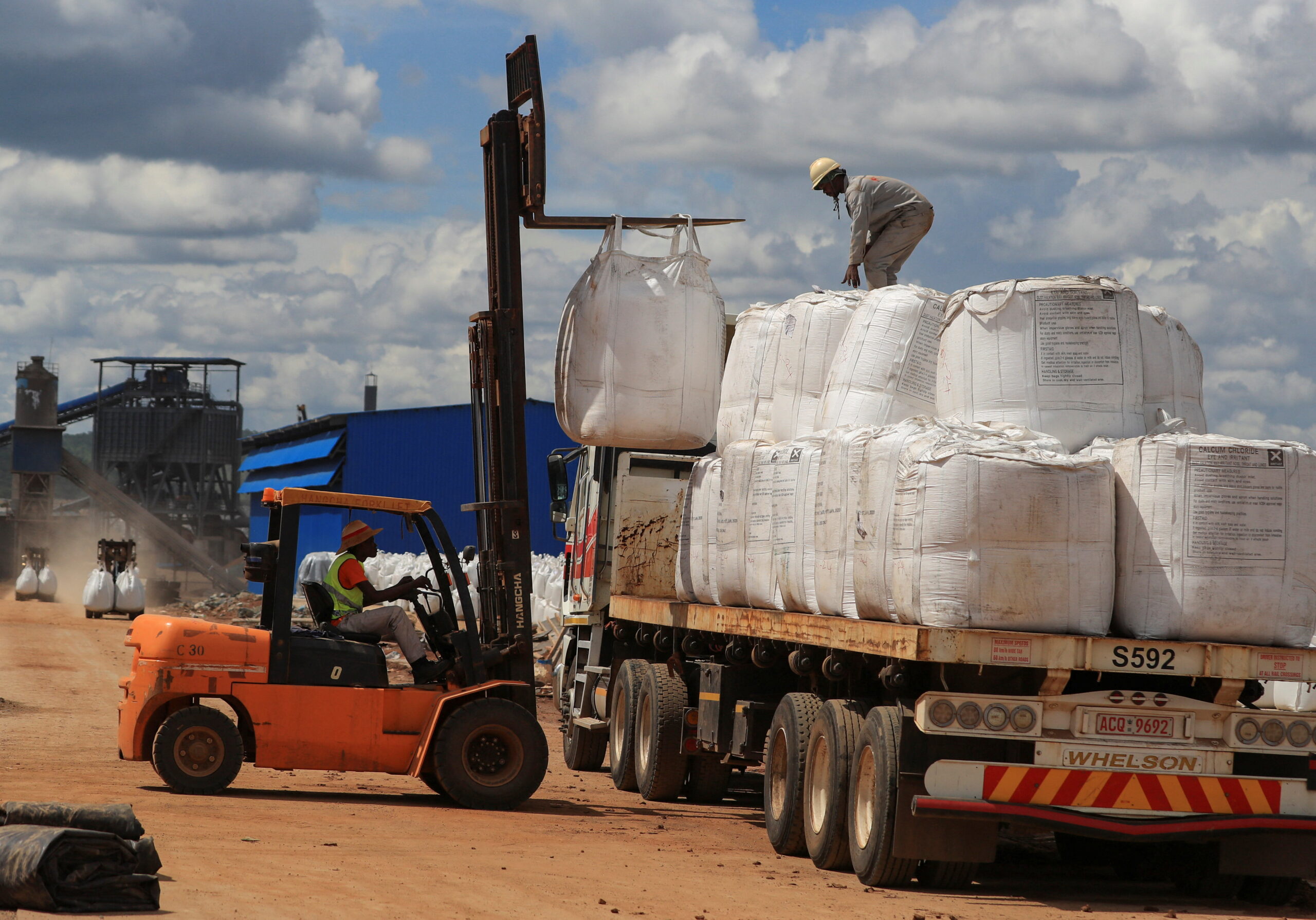
Zimbabwe, Africa’s top producer of lithium, which is used to make batteries for electric vehicles (EVs) and renewable energy storage, wants its resources of the silvery-white metal to be processed into higher-grade compounds such as lithium sulphate, an intermediate product that can be refined into a battery-grade material, rather than exported as raw concentrate for refining elsewhere.
Government officials say adding value to mineral resources locally is a way to boost economic growth and fund social development. “Government remains committed to ensuring transparency, in-country value addition and beneficiation, compliance, and accountability in the exportation of Zimbabwe’s mineral resources,” said Polite Kambamura, the country’s minister of mines and mining development.