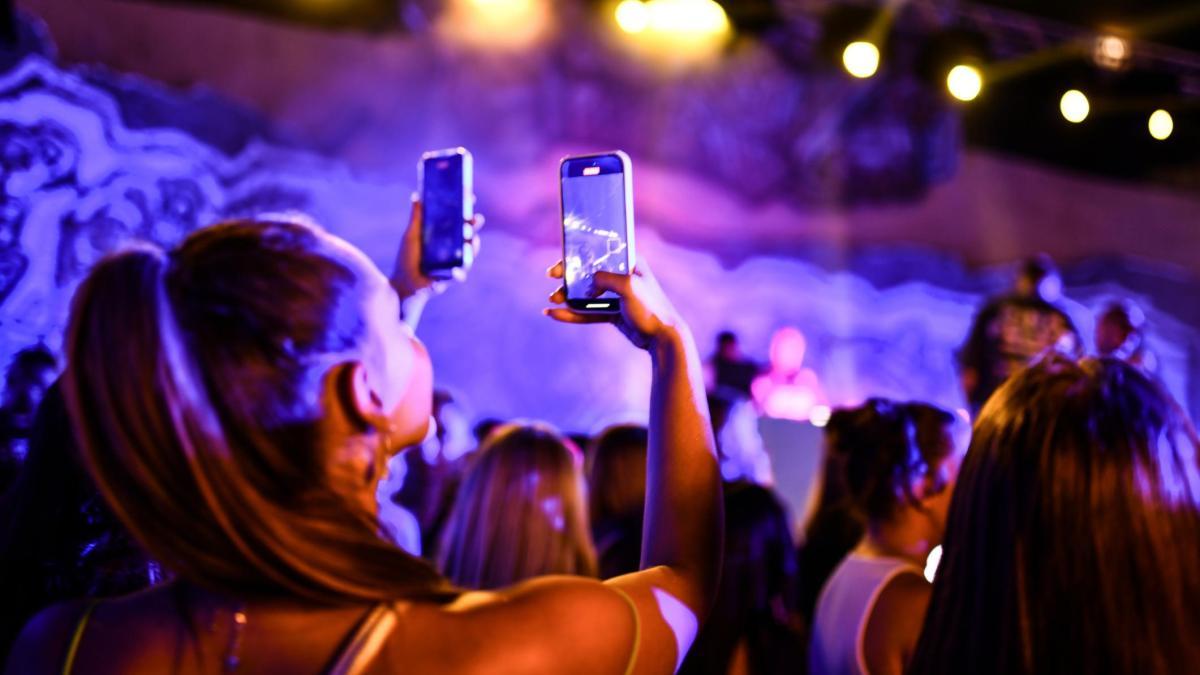
For Ms Kathy Seow, a 29-year-old senior content marketing specialist, the fear of missing out (FOMO) used to be a constant. "When I was younger, I always felt like I was missing out when I saw peers sharing the latest gadgets or cafe spots," she said. Over time, it trapped her in a cycle of never saying no to offers and invitations – one she realised was unsustainable. "It didn't make me happier as a person."Now, she has learnt to pause and ask herself a simple question: Do I actually like this, or do I just like the idea of it?"I'm more intentional about what I spend time on and what I share online," she said. "Eventually, I also became more private about my digital presence."
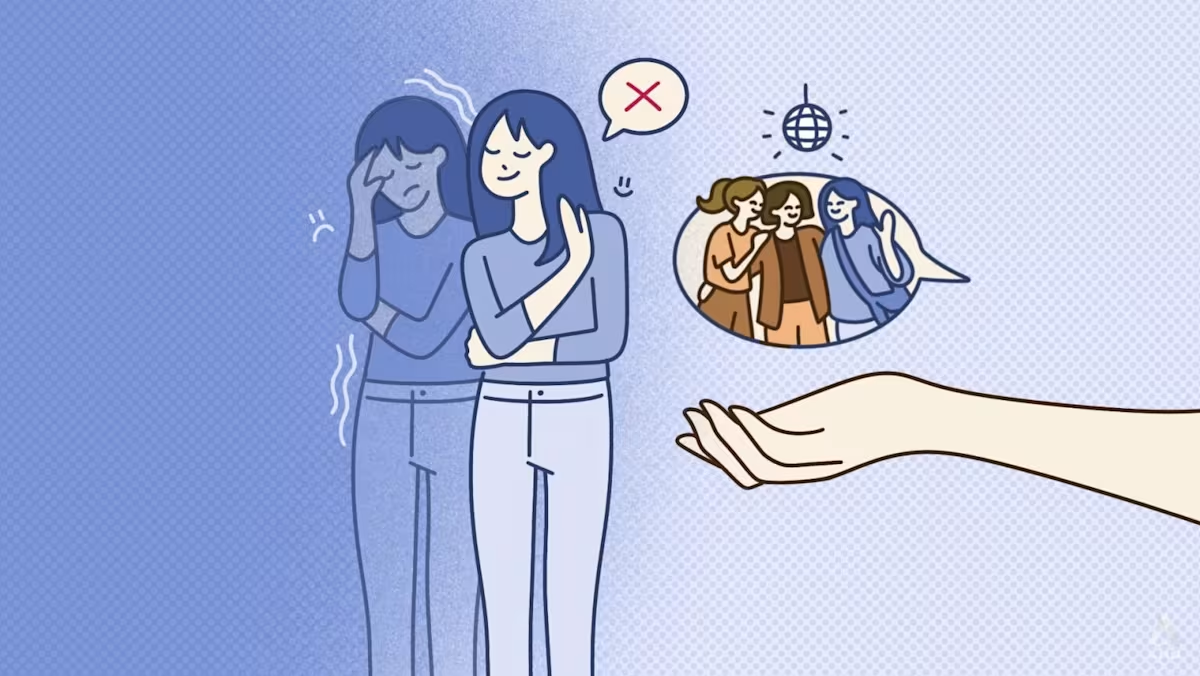
Like Ms Seow, more people are beginning to step back from constant social engagement not out of apathy or antisociality, but a desire to protect their well-being and sense of self. For some, this shift represents not simply avoiding FOMO, but a search for its antithesis: JOMO, or the joy of missing out.WHAT JOMO IS (AND WHEN IT STOPS BEING HEALTHY) Despite its casual use online, JOMO is not just about staying home, being introverted or distancing oneself from social life altogether. The key distinction lies in why someone is opting out and how it feels afterwards.Dr Sanveen Kang, clinical psychologist and founder of Psych Connect, explained that JOMO is best understood as a conscious, values-based decision. Drawing on the acceptance and commitment therapy (ACT) framework used in the practice of mindfulness, she described JOMO as a "toward move", a choice that aligns with personal values such as rest or authenticity. In contrast, social avoidance for its own sake tends to be an "away move", motivated by anxiety and often followed by guilt or increased distress.