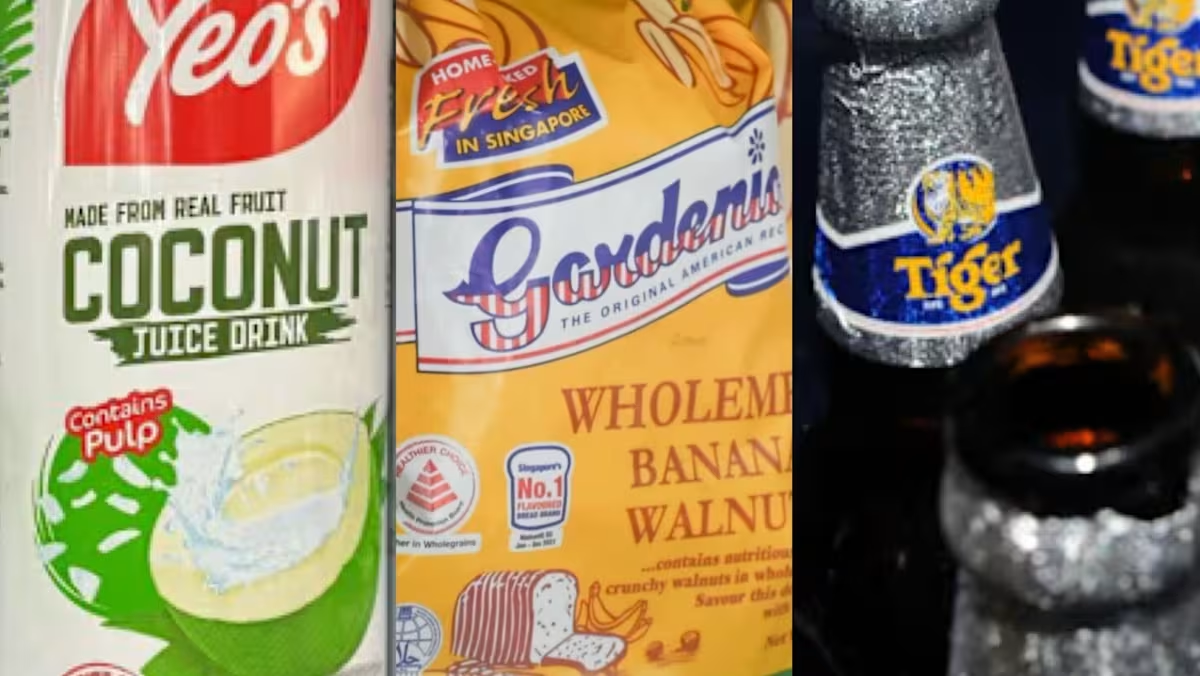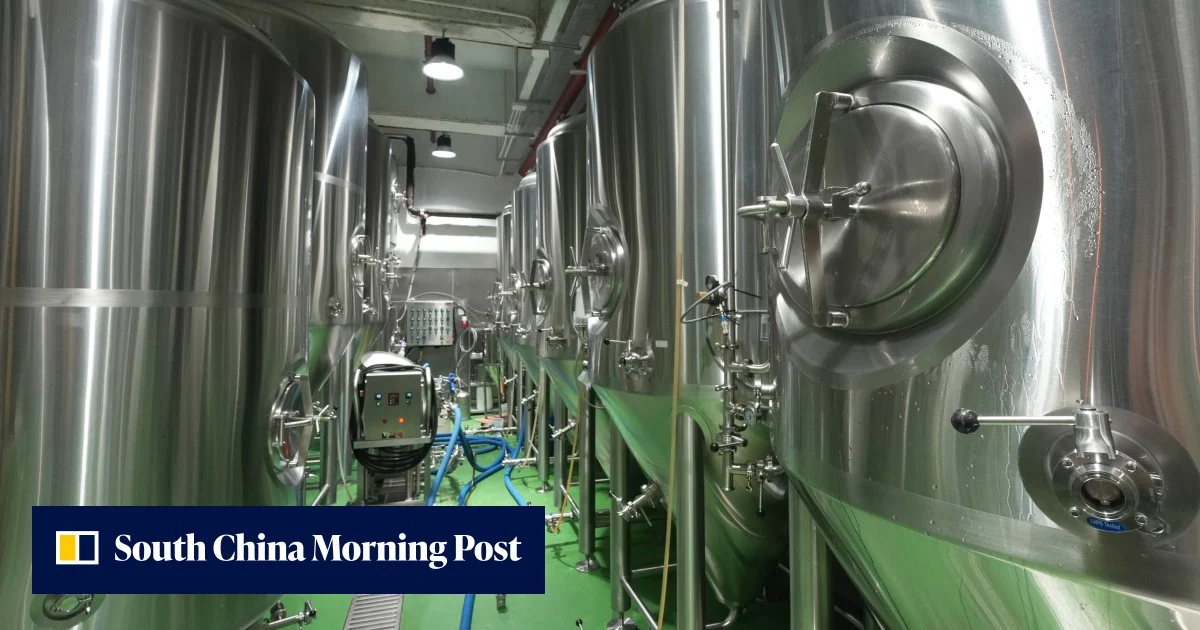
Whenever the question of "Who wants beer?" is uttered at Ms Jazlyn Koo's family gatherings, the public relations manager knows that a crate of Tiger Beer cans will be brought out soon."If you wanted something else, you'd have to ask for it," the 32-year-old said.It's a similar story across the island: Come evening at coffee shops across all corners of Singapore, bottles of Tiger inevitably come out to rest on granite tables and beer buckets adorned with the familiar feline roaring before a palm tree. For many Singaporeans such as Ms Koo, Tiger Beer has always been an iconic brand intimately associated with their small nation since it was launched by Malayan Breweries in 1932. So naturally, strong reactions sprouted on social media when news broke of its production being offshored to Malaysia and Vietnam, and that its 36-year-old Tuas brewery would be phased down progressively by the end of 2027."It feels like we've now lost another piece of what we can truly call ours," Ms Koo said.To be exact, Tiger Beer has been under the stewardship of Heineken for more than a decade, as the Dutch giant acquired full control of Asia Pacific Breweries (APB) Singapore in 2012.Mr Kenneth Choo, managing director of Heineken Asia Pacific, had said in the announcement of the offshoring on Mar 24 that "Singapore will remain the home of Tiger Beer, and we will continue to invest in its future".While negative sentiments online were in part due to the cutting of around 130 job roles over the next two years, people also questioned the extent to which Tiger Beer can still be considered "Singaporean".Some asked, with a hint of sarcasm, for instance: Does the tourism icon Merlion need to be stationed here for it to be a Singapore icon?How can Tiger be a Singapore beer if it is produced elsewhere?
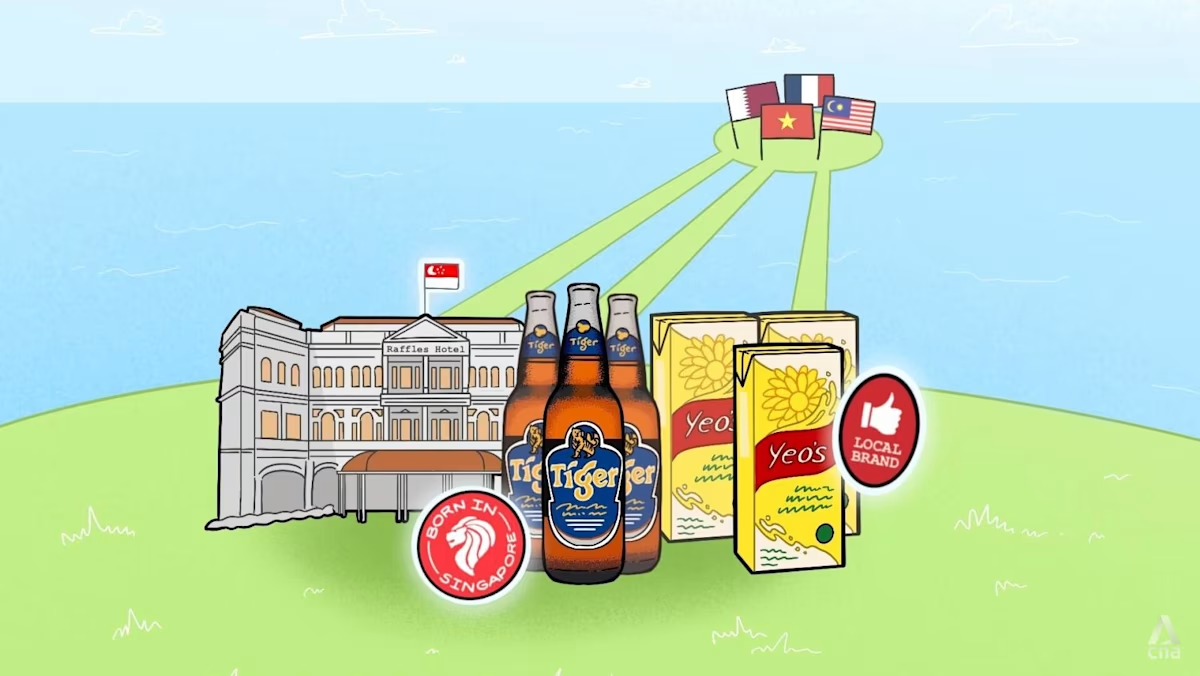
From Raffles Hotel to Yeo's and Tiger Beer, can homegrown brands keep their Singapore links alive after going global?
As Tiger Beer prepares to shift its production overseas, Singaporeans are asking a question that goes beyond dollars and cents: When a homegrown brand is no longer made here, or owned by Singaporeans, does it still belong to us?
3,055 words~14 min read