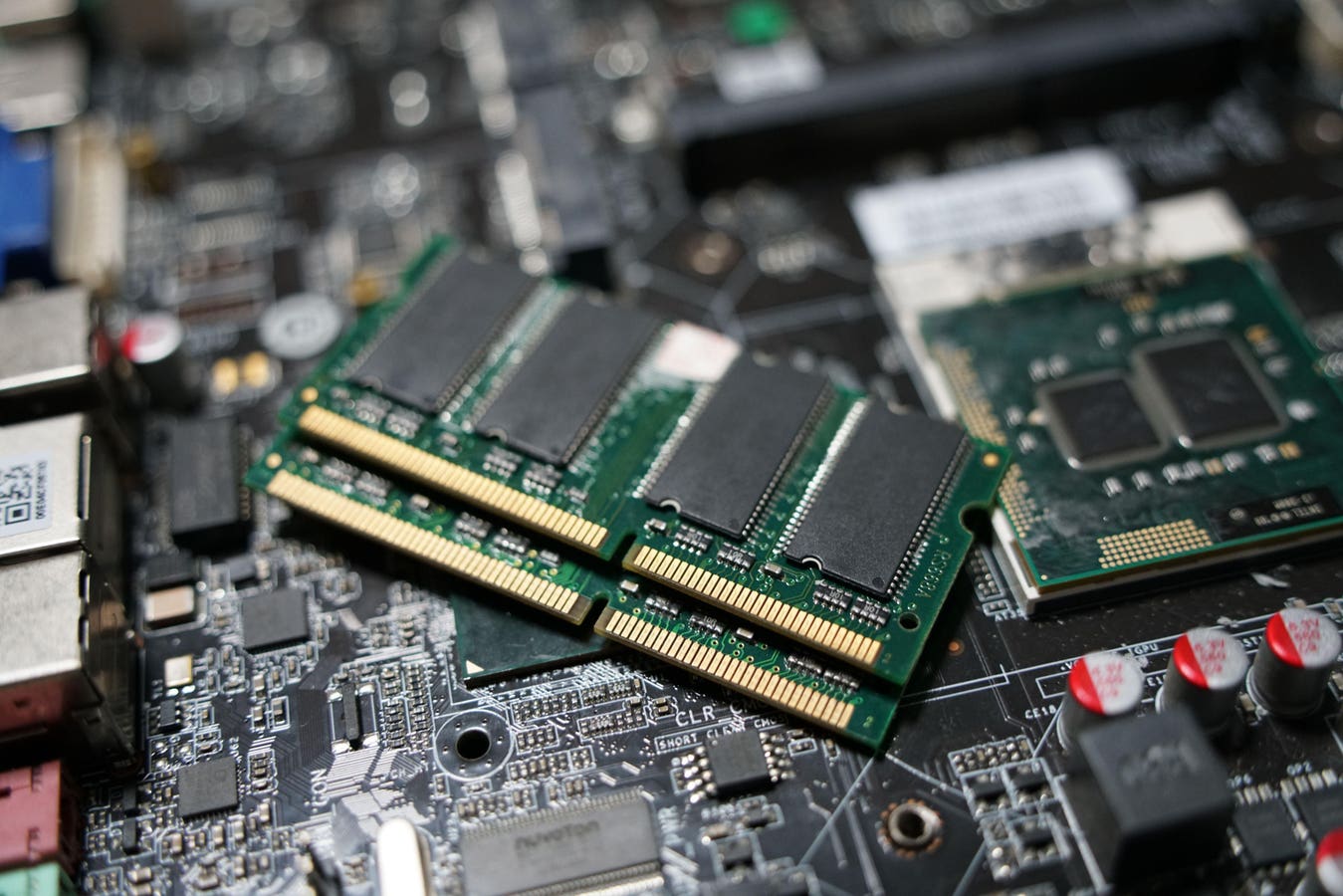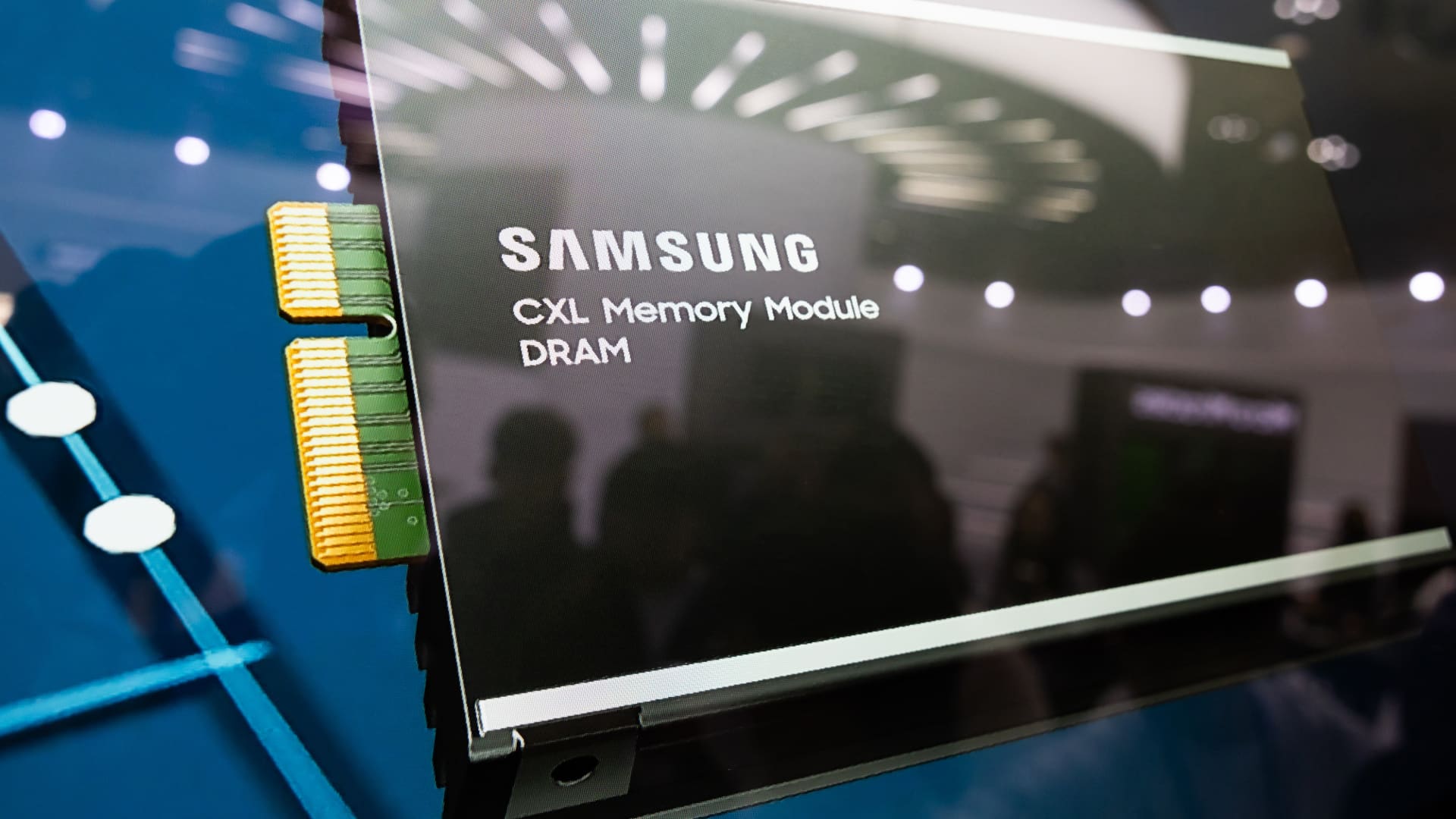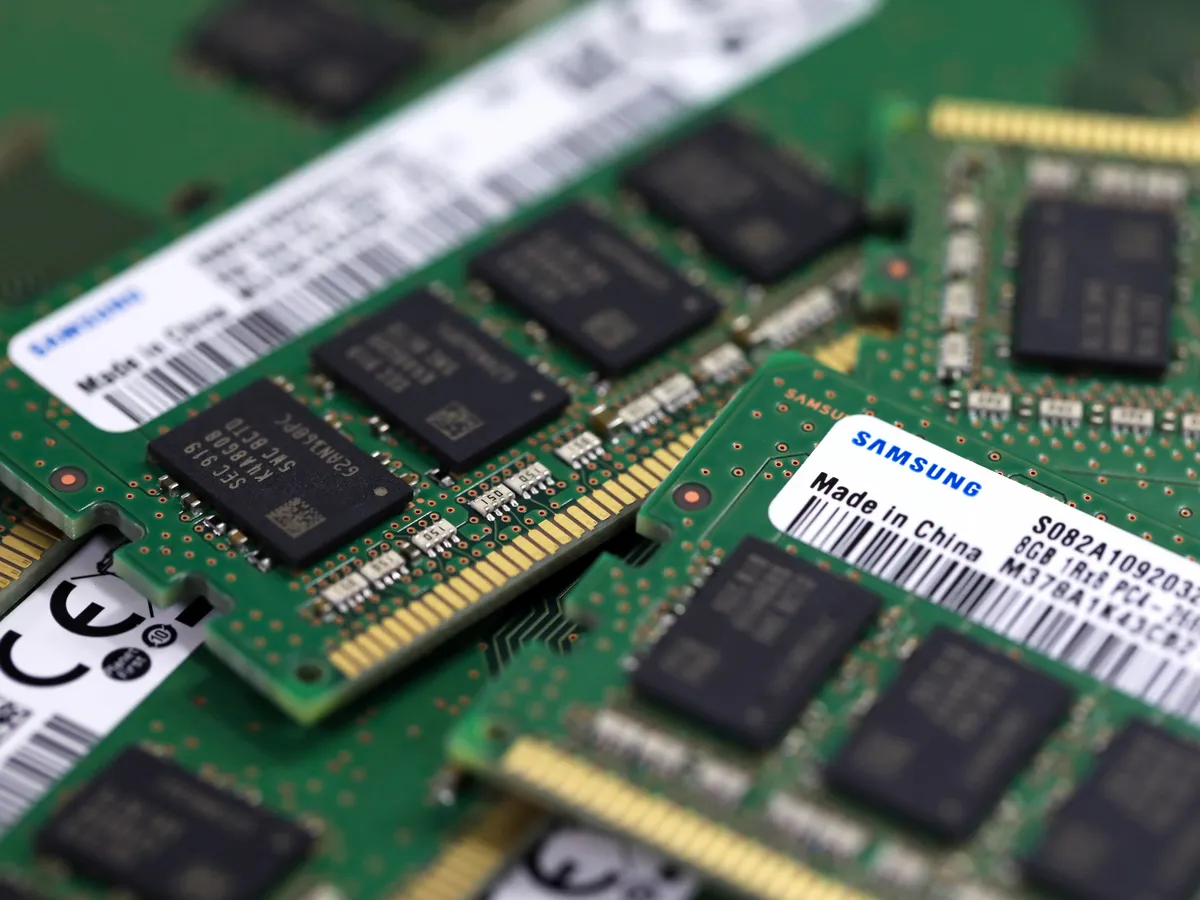
Skip to Content News Archives Economy Energy Oil & Gas Renewables Electric Vehicles Mining Commodities Agriculture Real Estate Mortgages Mortgage Rates Finance Banking Insurance Fintech Cryptocurrency Work Wealth Smart Money Wealth Management Investor Personal Finance Family Finance Retirement Taxes High Net Worth FP Comment Executive Women Puzzmo Newsletters Financial Times Business Essentials More Innovation Information Technology FP500 Podcasts Small Business Lives Told Tails Told Shopping Financial Post Store Obituaries Place a Notice Advertising Advertising With Us Advertising Solutions Postmedia Ad Manager Sponsorship Requests Classifieds Place a Classifieds ad Working Profile Settings My Subscriptions Saved Articles My Offers Newsletters Customer Service FAQ News Economy Energy Mining Real Estate Finance Work Wealth Investor FP Comment Executive Women Puzzmo Newsletters Financial Times Business Essentials HomeInvestorMemory crunch deepens chasm between stock winners and losersThe shortage in memory chips due to the artificial intelligence buildout is widening a gulf in corporate performanceAuthor of the article: You can save this article by registering for free here. Or sign-in if you have an account.Memory bulls argue that AI has spawned a “supercycle” for chip demand, well outside the industry’s traditional boom-and-bust pattern. Photo by SeongJoon Cho/BloombergThe worsening shortage in global memory chips due to the artificial intelligence buildout is driving a widening gulf in corporate results and stock performances.Subscribe now to read the latest news in your city and across Canada.Exclusive articles from Barbara Shecter, Joe O'Connor, Gabriel Friedman, and others.Daily content from Financial Times, the world's leading global business publication.Unlimited online access to read articles from Financial Post, National Post and 15 news sites across Canada with one account.National Post ePaper, an electronic replica of the print edition to view on any device, share and comment on.Daily puzzles, including the New York Times Crossword.Subscribe now to read the latest news in your city and across Canada.Exclusive articles from Barbara Shecter, Joe O'Connor, Gabriel Friedman and others.Daily content from Financial Times, the world's leading global business publication.Unlimited online access to read articles from Financial Post, National Post and 15 news sites across Canada with one account.National Post ePaper, an electronic replica of the print edition to view on any device, share and comment on.Daily puzzles, including the New York Times Crossword.Create an account or sign in to continue with your reading experience.Access articles from across Canada with one account.Share your thoughts and join the conversation in the comments.Enjoy additional articles per month.Get email updates from your favourite authors.Create an account or sign in to continue with your reading experience.Access articles from across Canada with one accountShare your thoughts and join the conversation in the commentsEnjoy additional articles per monthGet email updates from your favourite authorsSign In or Create an AccountorShares of memory makers Micron Technology Inc. and Samsung Electronics Co. have surged to record highs on blockbuster results driven by buoyant product prices. Meanwhile, consumer products makers from HP Inc. to Nintendo Co. have been weighed down by profit pressures stemming from higher chip costs.The squeeze shows how AI is reshaping the chip cycle, turning memory from a commodity input into a critical bottleneck. That has made pricing power the dividing line in global equities: suppliers are posting windfall gains, while device makers face higher costs and weaker margins.Canada's best source for investing news, analysis and insight.By signing up you consent to receive the above newsletter from Postmedia Network Inc.A welcome email is on its way. If you don't see it, please check your junk folder.The next issue of Investor will soon be in your inbox.We encountered an issue signing you up. Please try againThe crisis has been apparent in recent results. Memory pricing was mentioned more than 550 times in company earnings calls and quarterly reports so far this year, already more than any full year in data compiled by Bloomberg tracking global equities since 1999.“It’s becoming increasingly obvious that the memory crunch is not only worse than feared but also becoming more prolonged than had been expected,” said Michael Brown, a senior research strategist at Pepperstone Group Ltd. in London. “With AI demand continuing to surge, what we now hear from those close to the issue is that we might see the crunch continuing in some manner potentially as far as 2030.”Problems for memory-chip consumers have been widespread. Nintendo’s stock slid Monday after it warned of high memory costs hitting margins on its game consoles, pushing its shares down more than 30 per cent for the year to date. Smartphone and electric-vehicle maker Xiaomi Corp.’s shares have slumped 20 per cent in 2026 while copier and camera firm Canon Inc.’s are down 10 per cent on similar concerns.More manufacturers are resorting to price increases to cushion margins, even at the risk of hurting demand for their products. Nintendo last week said it will raise prices for its Switch 2, following hikes on Microsoft Corp.’s Xbox and Sony Group Corp.’s PlayStation 5 in previous months. Meta Platforms Inc. is boosting the prices of its virtual-reality headsets.“The depth of pain tracks two factors: how much of a company’s cost base is memory, and how much leverage it has to secure supply or pass through prices,” said Fabien Yip, a market analyst at IG International. She sees high risk for smartphone and gaming console businesses, and medium risk for PC makers and hyperscalers.The story is much brighter for the memory makers, who are benefiting from rising chip prices amid insatiable demand. A Bloomberg gauge of memory stocks has surged about 120 per cent so far this year, while a measure of consumer electronics shares is up around three per cent.Samsung recently joined the elite club of firms with a market value of more than US$1 trillion, after announcing a 48-fold jump in quarterly chip business profits last month. Its fellow high-bandwidth memory makers Micron and SK Hynix Inc. have also been extending stock-price gains following strong reports.“Even beyond the first‑quarter earnings season, momentum in memory remains exceptionally strong,” said Simon Woo, head of Korean research and APAC technology research coordinator at BofA Global Research. “April data show Taiwan memory-related sales accelerating sharply, while Korea’s semiconductor exports were still up more than 100 per cent year on year.”The pool of beneficiaries is growing as AI moves beyond the training phase to more mainstream applications. Investors are also now snapping up shares of makers of less-advanced DRAM chips as well as various flash and hard-disk drive products.Sandisk Corp. has extended its gain for the year to more than 500 per cent after higher NAND prices drove stronger-than-expected earnings. Shares of its partner Kioxia Holdings Corp. are up more than 360 per cent on the year, ahead of its report due Friday.The ongoing AI rally has raised some talk of a bubble, especially amid ongoing economic uncertainty caused by the Iran war. Chip stocks tumbled in the United States on Tuesday as rapid recent gains spurred concerns of overheating.Memory bulls argue that AI has spawned a “supercycle” for chip demand, well outside the industry’s traditional boom-and-bust pattern. Contract prices for NAND chips have surged more than 600 per cent since the end of September, while those for DRAM chips are up nearly 400 per cwnt, and analysts see the trend continuing.“Pricing upside should persist as AI-led demand continues to outstrip supply, inventory is tight and HBM supply is locked up under multi-quarter price and volume agreements,” JPMorgan Chase & Co. strategists including Mixo Das wrote in a note dated Sunday. Prices and sales volumes may continue to rise in 2027-2028, they said.—With assistance from Mayumi Negishi. Join the Conversation This website uses cookies to personalize your content (including ads), and allows us to analyze our traffic. Read more about cookies here. By continuing to use our site, you agree to our Terms of Use and Privacy Policy.
Memory crunch deepens chasm between stock winners and losers
The worsening shortage in global memory chips due to the AI buildout is widening a gulf in corporate performance. Find out more here
1,286 words~6 min read