The use of facial recognition technology to catch criminals is controversial. Earlier this year Essex police paused a trial of the technology, after research found it ‘was statistically more likely to identify black people’. The human rights organisation Liberty has warned that the technology would ‘always be used disproportionately against communities of colour’, and the campaign group Big Brother Watch says that ‘AI surveillance that is experimental, untested, inaccurate or potentially biased has no place on our streets’. In The Spectator, one writer has argued that she wants ‘no part in the brave new world of supermarket surveillance’. But with today’s King’s Speech promising a national ‘legal framework’ for facial recognition technology, new evidence suggests that the benefits of the technology far outweigh the costs.
Very real harms can be and are caused by dangerous criminals remaining at large, a problem exacerbated by our justice system’s tendency to lose track of them.
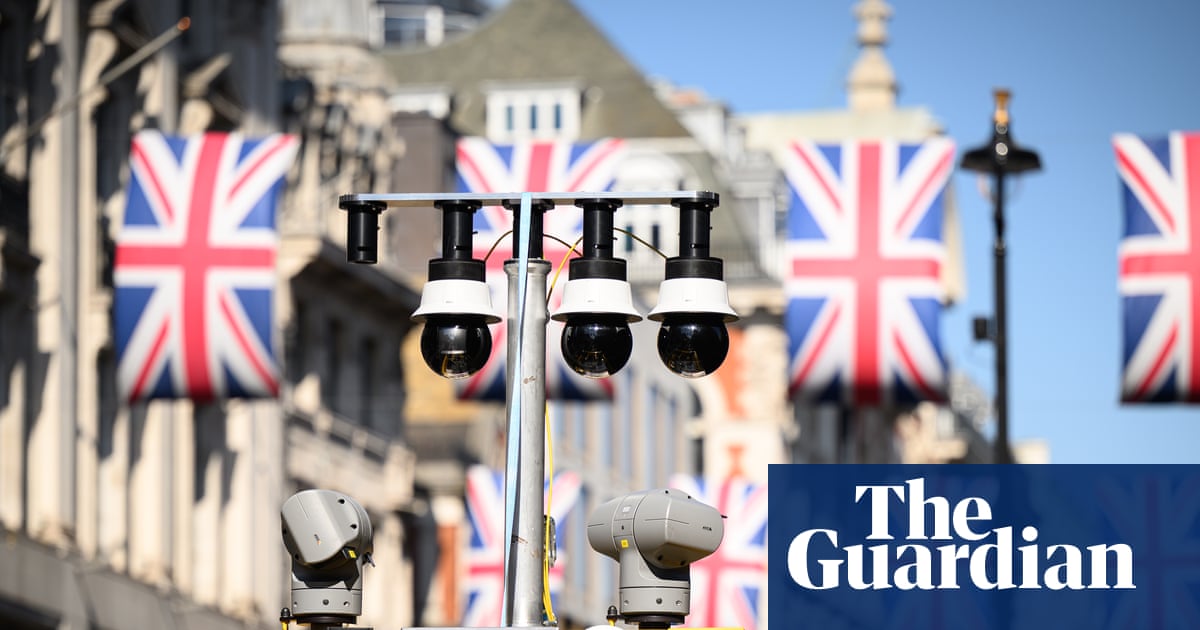
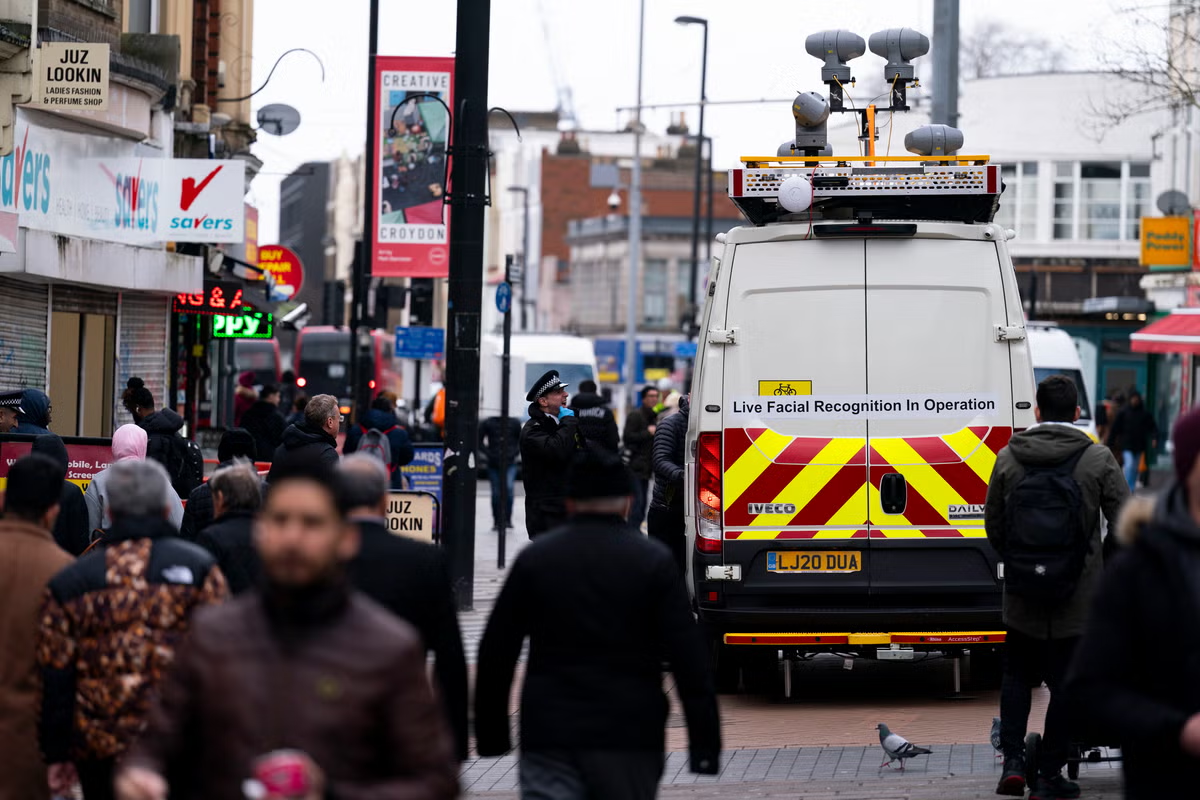
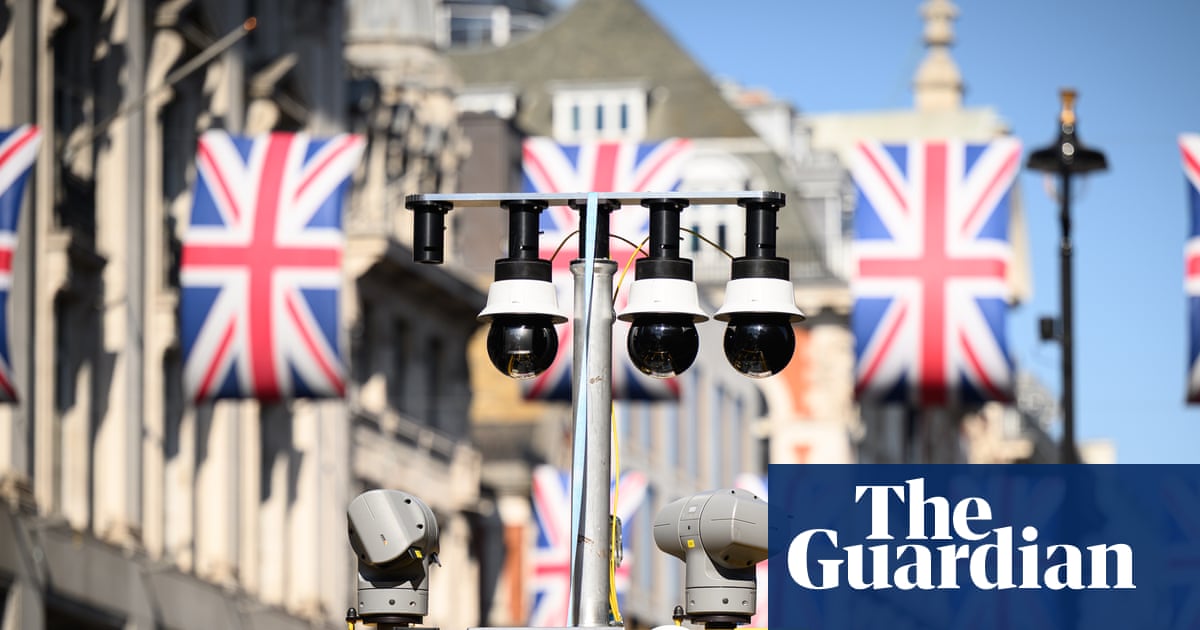
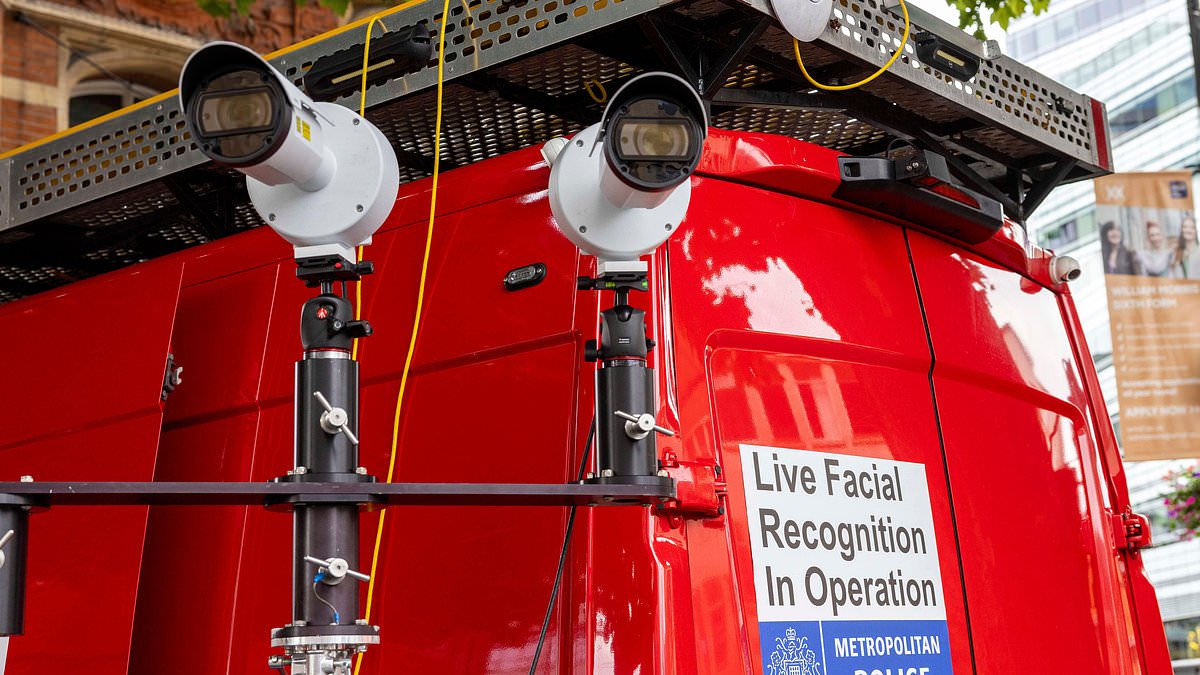
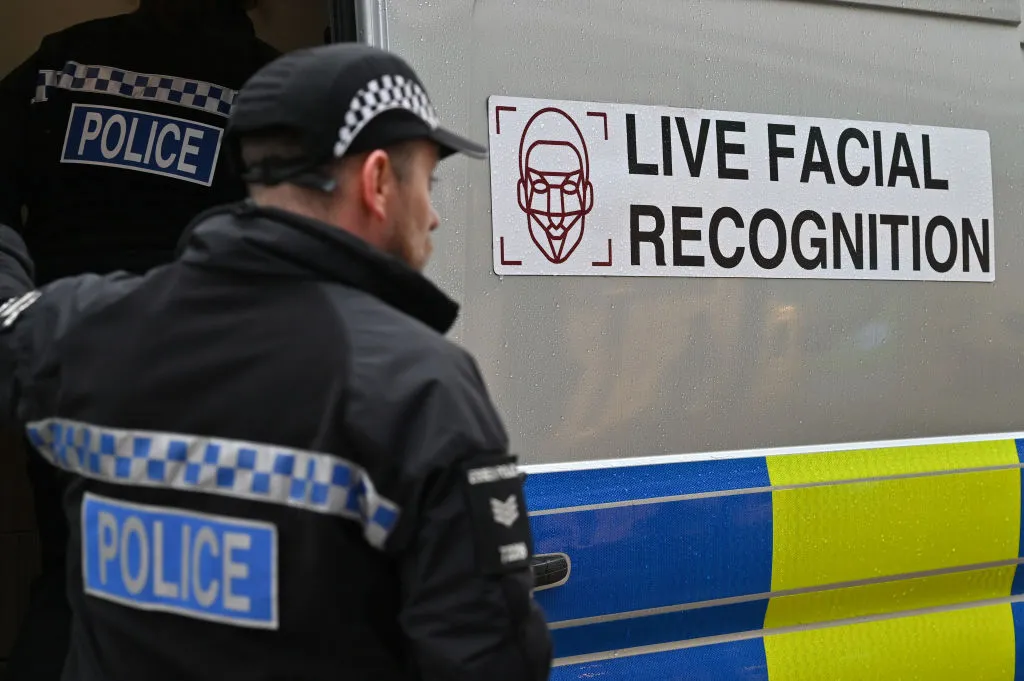
Today the Metropolitan police have published the results of a six month live facial recognition pilot in Croydon, which resulted in 170 arrests of wanted criminals, and crime in the area falling by over 10 per cent. The trial, which ran from October 2025 to March 2026, used ‘static cameras’ fixed to lampposts, instead of the specialised vans which have been used in other trials. This means that the system can be monitored remotely, rather than requiring officers to be present.