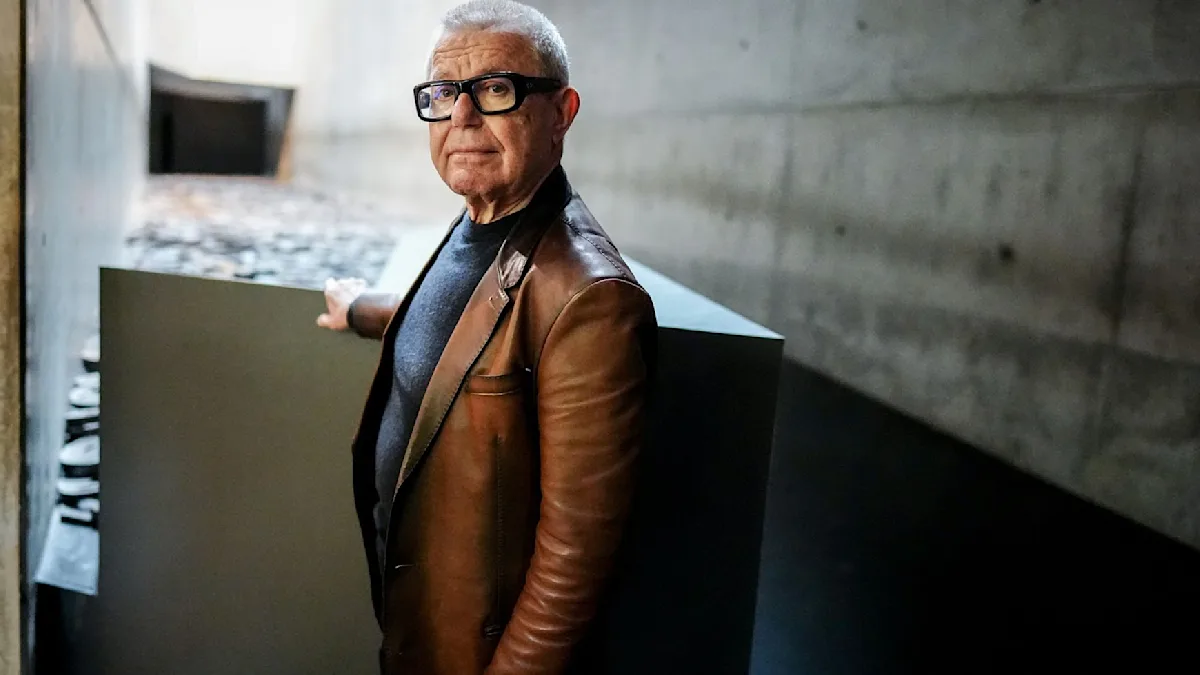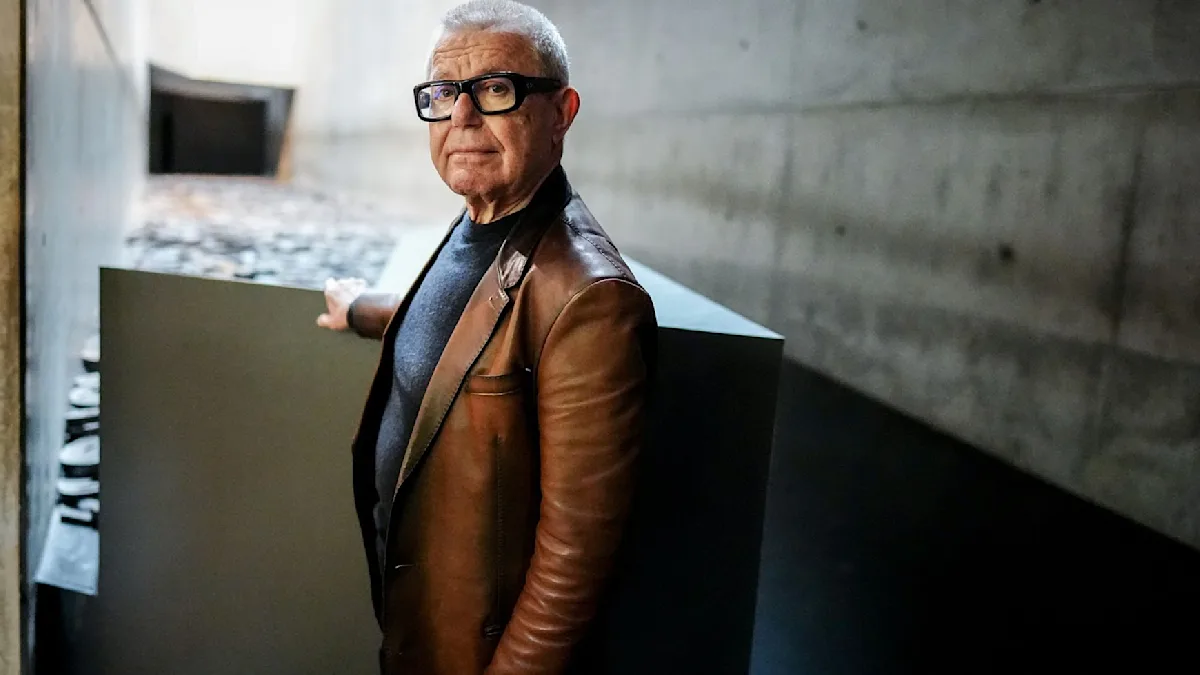
Famous for designing the Jewish Museum Berlin and the Ground Zero project in New York, the architect has created dozens of memorable buildings worldwide.
As Daniel Libeskind turns 80 on May 12, the renowned Polish-American architect shows no signs of slowing down and remains one of the most sought-after names in his field.
With his firm, Studio Daniel Libeskind, he is best known for large-scale projects and deconstructivist designs that frequently tackle complex cultural narratives, such as Ground Zero, built on the former site of the Twin Towers in New York City, and Berlin's Jewish Museum.
With the Jewish Museum Berlin, which opened in 2001, Libeskind achieved his major breakthrough. The zinc-coated building, erected on a jagged floor plan reminiscent of a fractured Star of David, has since become a Berlin trademark that symbolically stands for the ongoing debate about the gigantic vacuum left behind by the Holocaust in German-Jewish history.
Libeskind has also unmistakably left his mark on this museum dedicated to the military history of the German armed forces. It was not designed to glorify Germany's army, but rather to document its violence. Libeskind split the original building with a wedge-shaped installation to symbolize a break with the traditional portrayal of history, while alluding to the bombing of Dresden in February 1945.