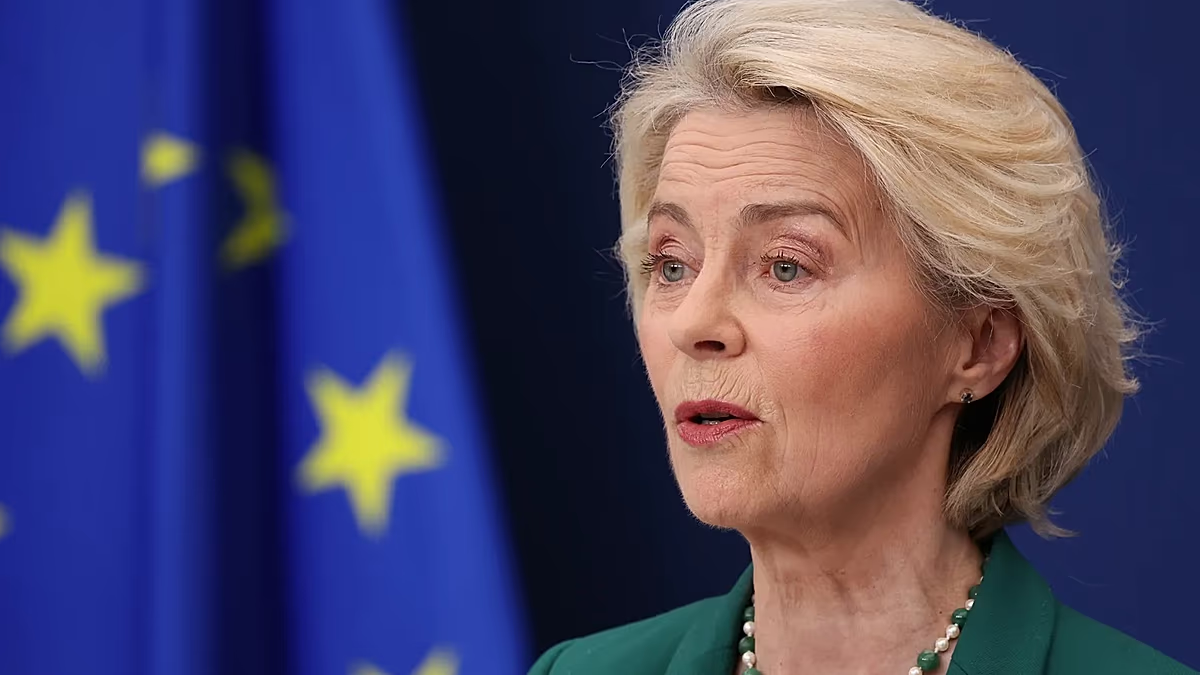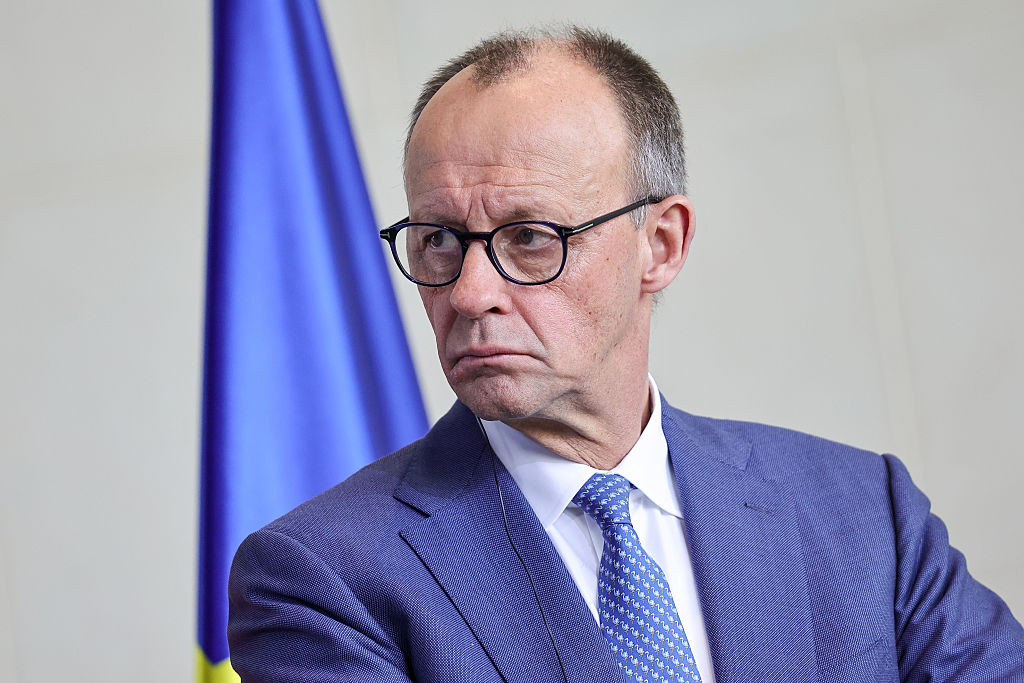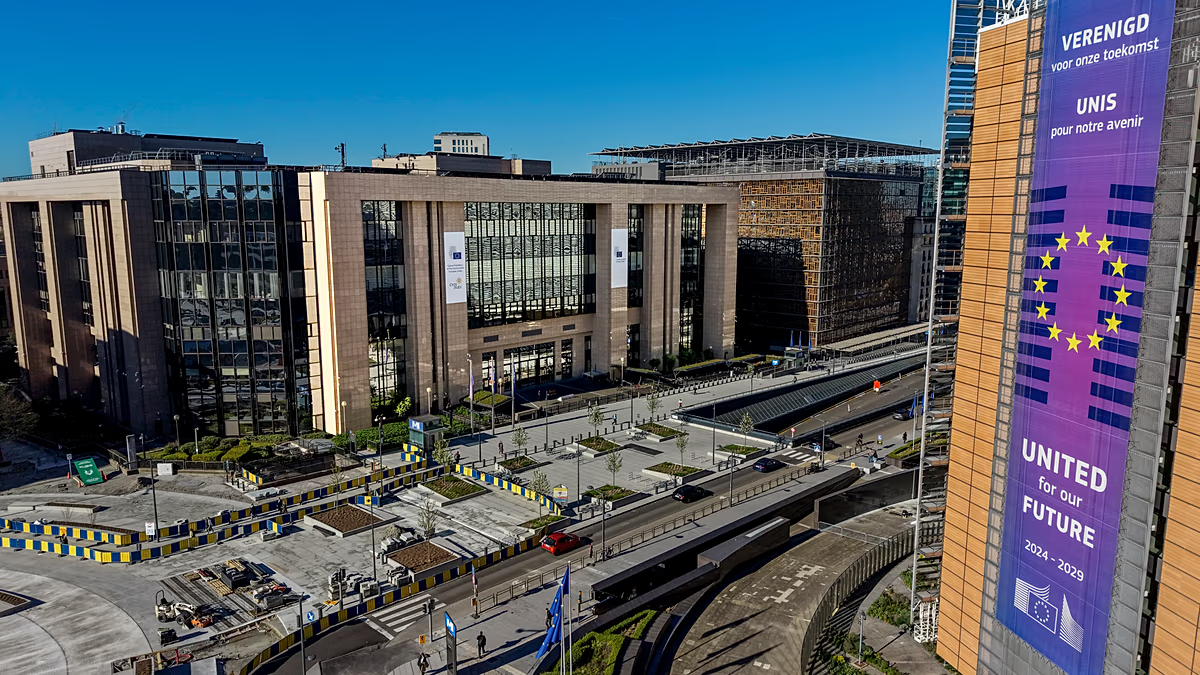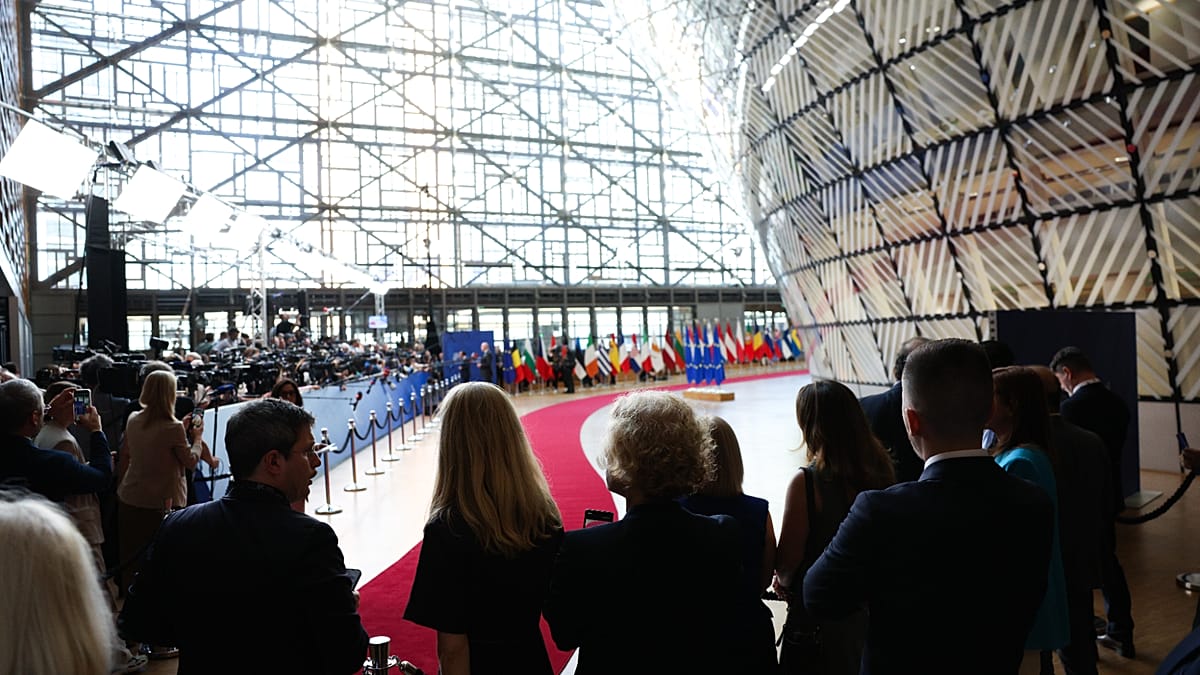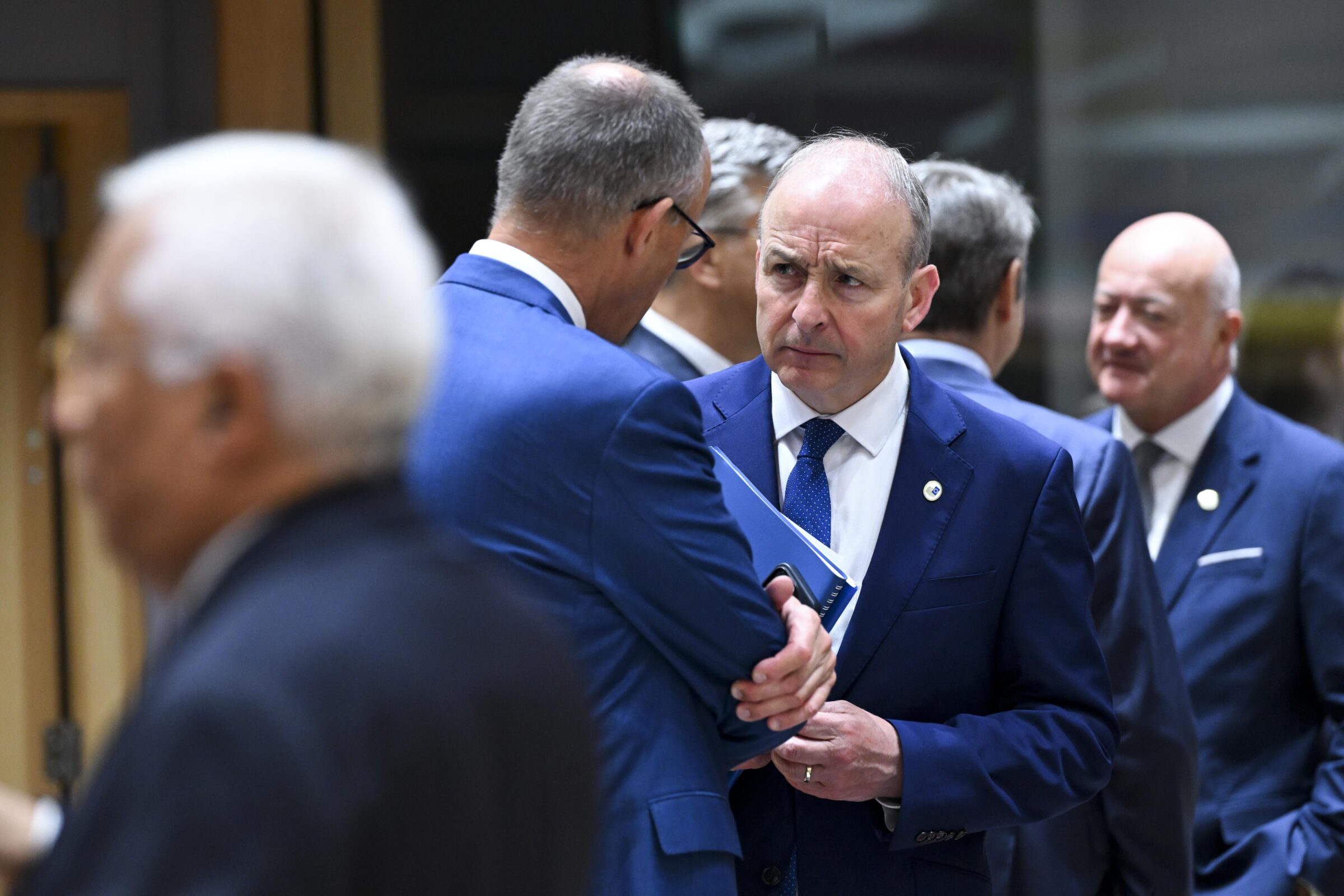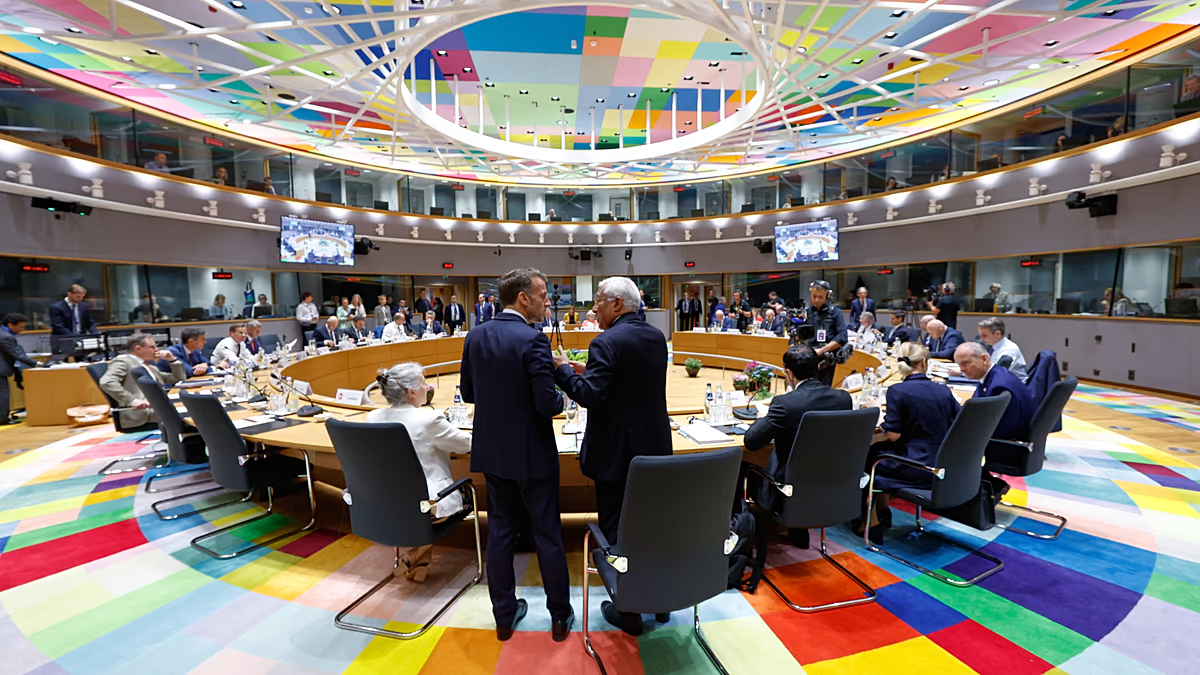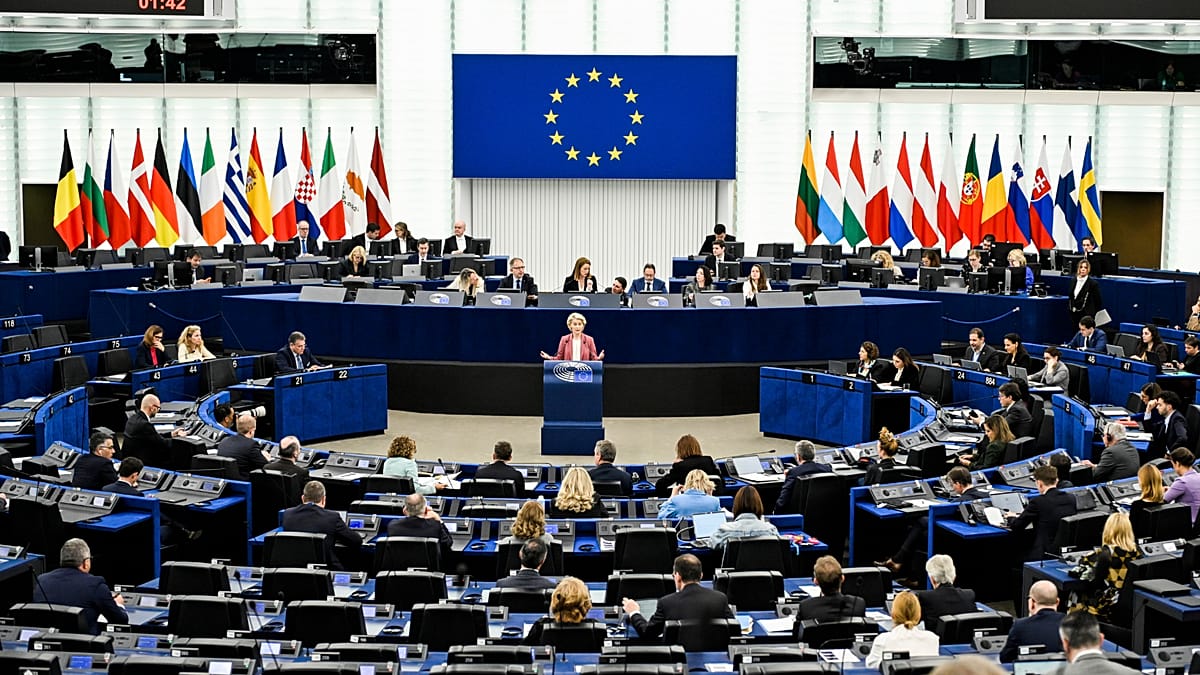
The demand is sparking a clash between the Parliament and Ursula von der Leyen’s strict 1.26 per cent GNI spending cap - the budgetary mechanism that limits a government’s spending to a percentage of its total Gross National Income. Net contributors like Germany and the Netherlands argue it’s already too high.
The Commission wants to fund new defence and AI priorities by streamlining existing funds. The Parliament insists that these needs mustn’t come at the expense of farmers or regional aid. Following a vote (370 to 201) on 28 April, Parliament demands a 10 per cent budget increase, seeking 1.27 per cent of GNI. This specifically excludes the massive costs of repaying pandemic debt, which MEPs argue should be accounted for separately to avoid "suffocating" future investment.
The Multiannual Financial Framework (MFF) defines how much money goes into the specific policy areas. It funds programs that benefit European citizens across sectors such as research, climate, agriculture, culture, defence, and environment.
EU treaties are the basis of Europe’s budgetary procedure. They decide how the budget is defined, prepared, adopted, and negotiated to guarantee transparency.
The Commission proposes the budget while the Council and the Parliament examine and amend it together before adopting it. The co-legislators negotiate and adopt the annual budget every year within the overall MFF ceilings.