On a cool afternoon in March, Cao Lin watches through the floor-to-ceiling window of her east-facing living room as a crane gently lowers a large persimmon tree into a hole in her city garden. For more than four decades, the tree has stood in a village 1,300 kilometers away.
Cao has been craving one of these low-maintenance, deciduous fruit trees ever since seeing a social media post about them in winter. “It’s exactly what our home has been missing,” she says. “There’s something beautiful about the sense of interaction, being able to just reach out and pick a persimmon as you walk past.”
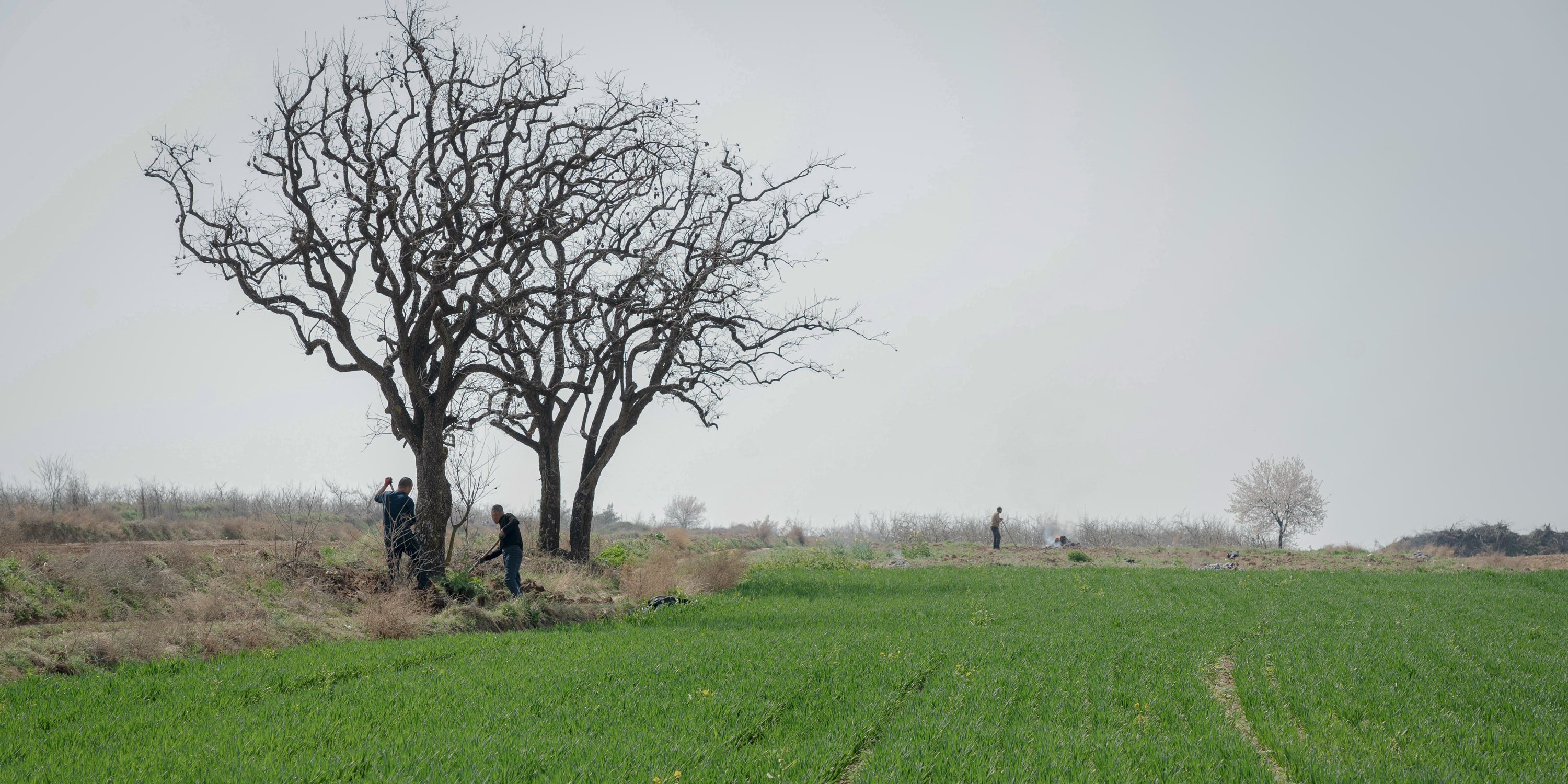
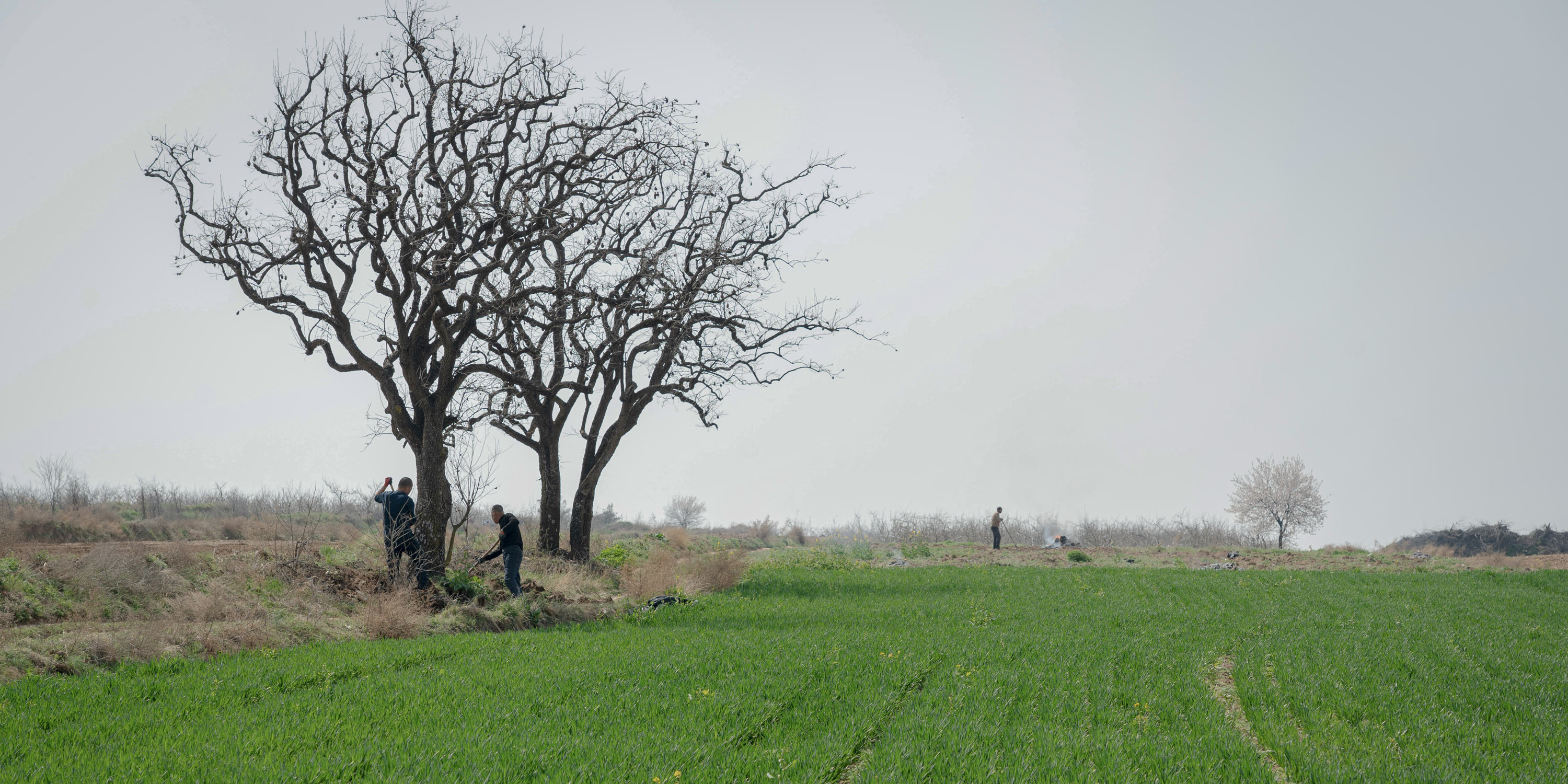
In recent years, the trade in persimmon trees from China’s northern Loess Plateau to private courtyards in the country’s eastern cities has boomed, with some rural counties uprooting as many as 1,000 trees a year.
It is a nascent business that connects two contrasting faces of a changing China: at one end are dusty townships that working-age people have abandoned for fresh opportunities, neglecting their families’ fruit trees; at the other are affluent aesthetes looking to give these trees a new home.
Yet while urbanites revel in the trees’ ornamental charm and villagers cash in, for some the trade highlights the fading connection that those in the countryside have long had with persimmon trees.