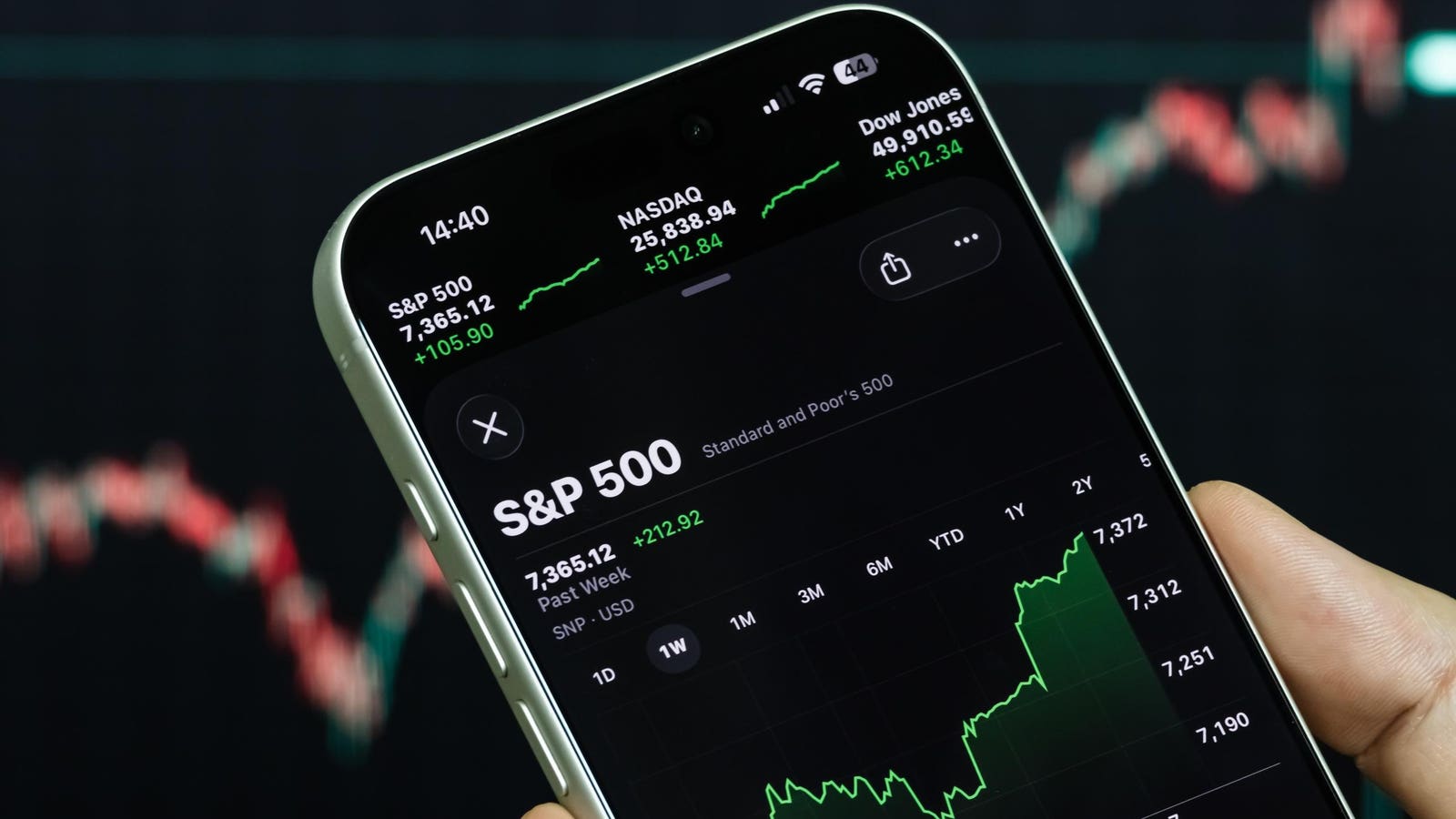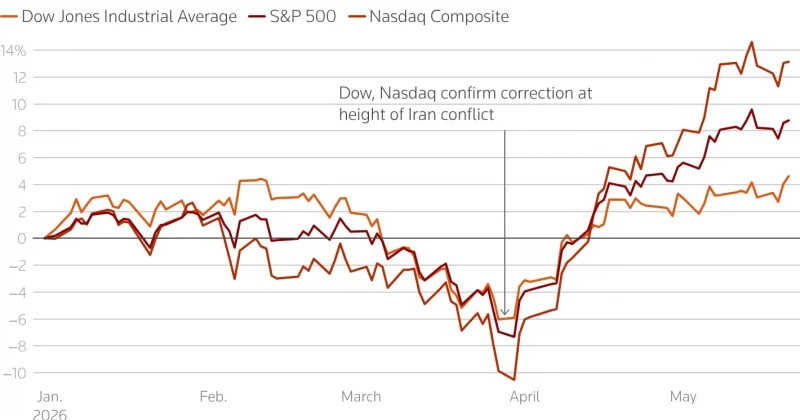
The Dow Jones Industrial Average, considered one of the major barometers of U.S. stock market performance, rose above 50,000 points on Thursday. The index rose by 0.6% in early trading following positive earnings results from index constituent Cisco and the start of a key diplomatic meeting between the U.S. and China.
But if you're an everyday investor, the Dow hitting 50,000 points likely doesn't mean much, says Todd Rosenbluth, head of research at investment research firm TMX VettaFi.
For one thing, the market makes new highs and achieves new "points" milestones all the time. The Dow hit 40,000 points in May 2024 under former President Joe Biden. The U.S. market historically moves upward, with each new plateau becoming easier and easier to reach. Over the past 20 years, the Dow has averaged a 7.8% annual gain. At that pace, it's set to eclipse 70,000 by 2030 and 100,000 by 2035, according to a February analysis from investment firm Raymond James.
For most investors, points in the Dow are far less useful to think about than percentage changes in their investments, which are far more likely to be tied to more modern indexes, such as the S&P 500, Rosenbluth says.
"Every time the market moves higher, it's a good thing, but round numbers are just nice to look at," he says. "What's more important is, did the money that you invested, go up by the percentage that you hoped it would for your financial goals?"