When the birds started nesting on her land at Useless Bay, Chile, Cecilia Durán Gafo decided she would protect them from people and predators
F
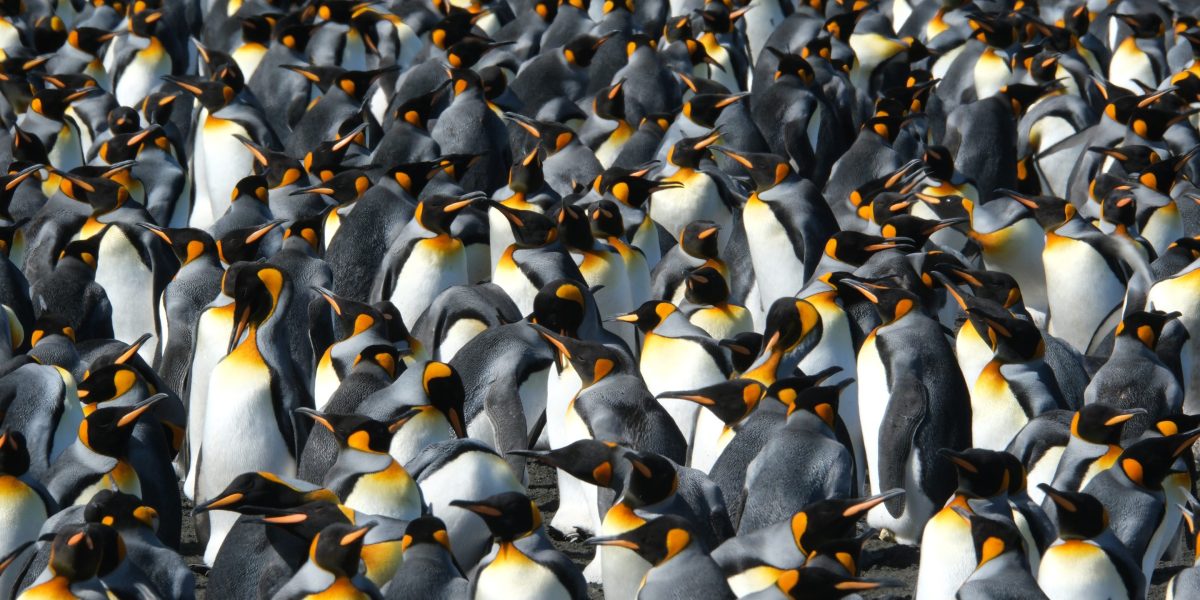
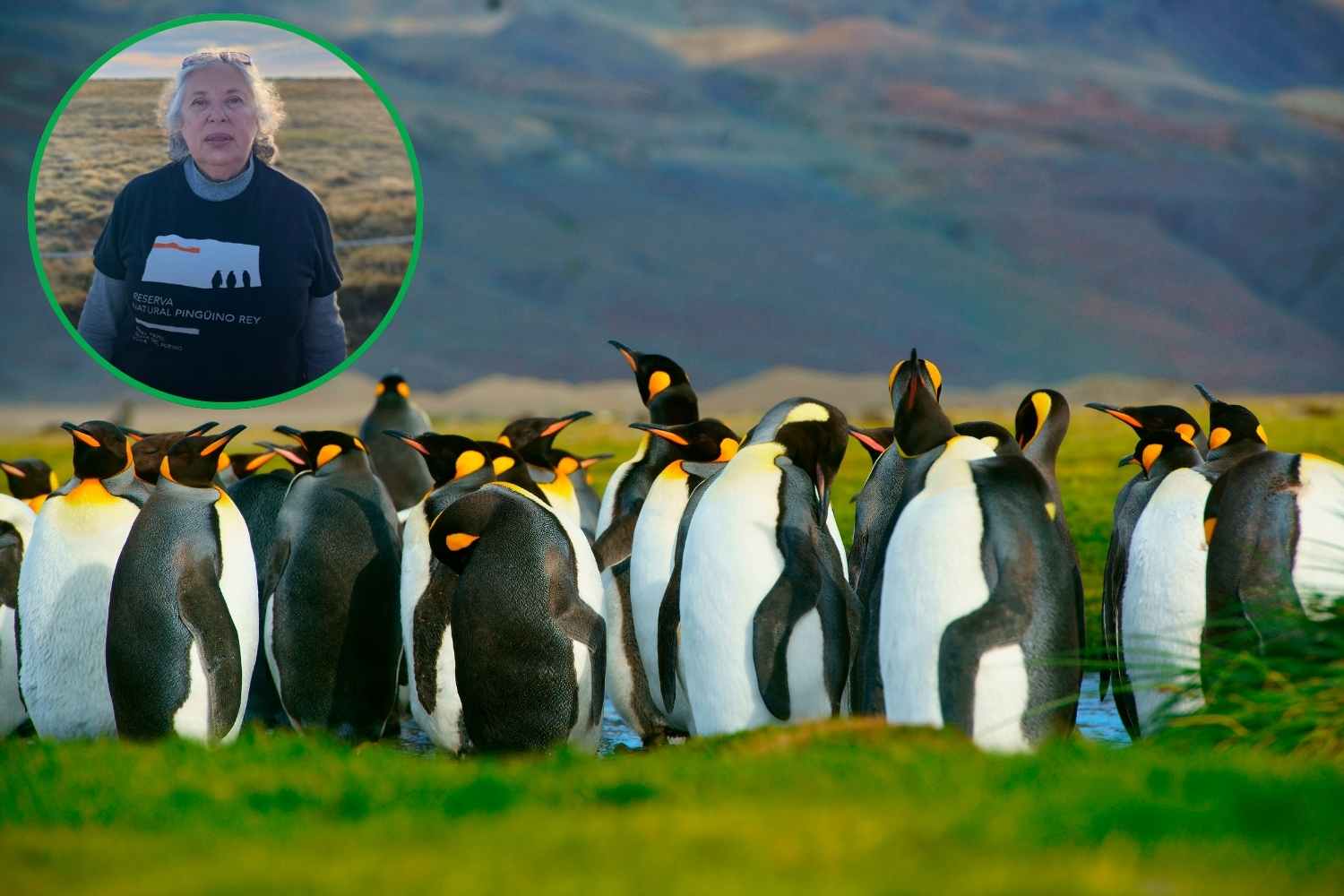
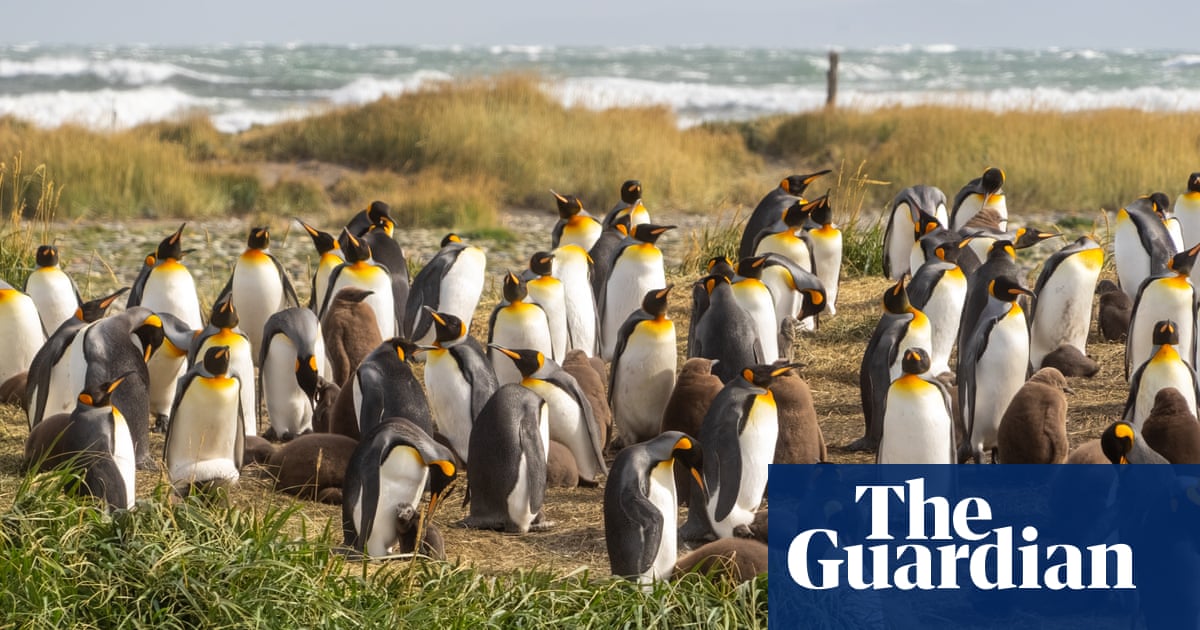
ive pairs of rubbery feet carry velvet-sheathed black-and-white bodies towards the rope line separating the king penguins from the dozen or so visitors, who look on in awe. As these emissaries shuffle over, a hundred of their cohorts parade on a nearby bank, splashing around in the water and regurgitating food into their chicks’ open beaks.
The king penguin (Aptenodytes patagonicus) makes its home almost exclusively on islands in the Southern Ocean. But it has been coming to this wind-battered bay in southern Chile’s Tierra del Fuego region for hundreds of years, probably because its shallow shores offer protection from marine predators and humans.
Early explorers named it Useless Bay because those same shores made landing boats, including industrial fishing vessels, nearly impossible. Still, humans remained such a threat that no permanent colony of king penguins formed here until 2010. Then, as a colony started to develop, a local landowner and former kindergarten teacher Cecilia Durán Gafo, now 72, decided she would protect them.