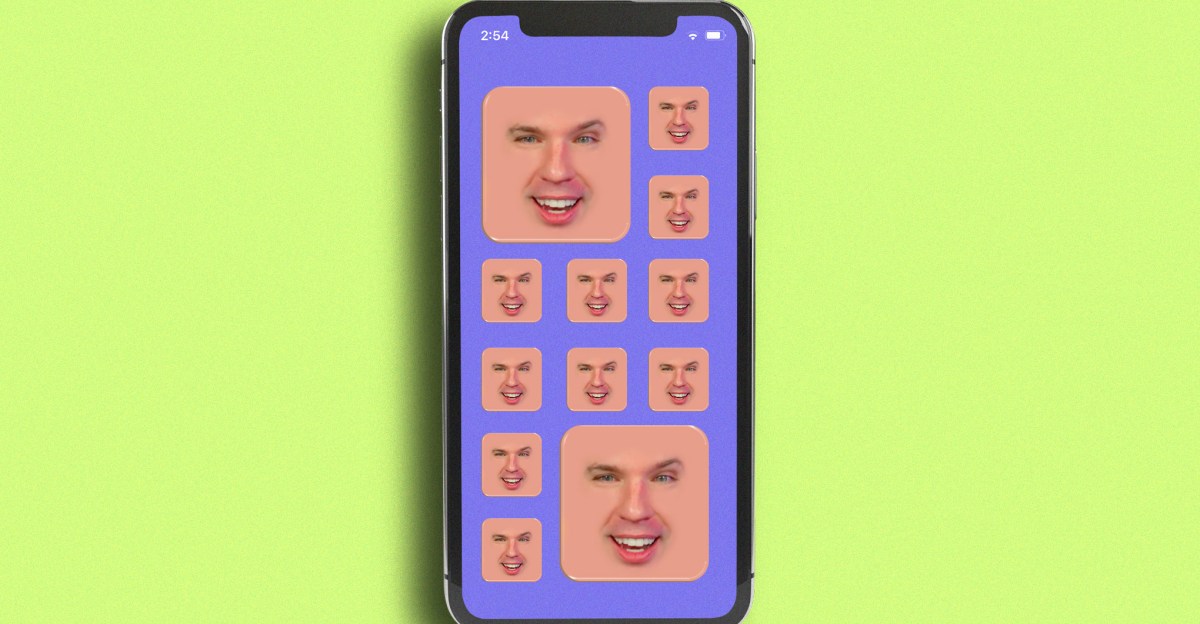
AI is empowering a generation of vibe coders to build exactly what they want. The personal software revolution is here.
The tyranny of software is almost over. Since the first computer programmers wrote the first computer programs, we, the users of that software, have been forced to live in the worlds those programs create. The features are the features. The design is the design. Want something else, something better? Learn to code, I guess.
Until now, the people making a given piece of software — mostly well-paid professional developers — have rarely been the same as the ones using it: lawyers, doctors, churches, schools, me. (Where they overlap most directly is with developer tools, which are often the best and most passionately designed software you’ll find anywhere. Wonder why.) Software is built for the masses, designed not to be perfect for anyone but to be passable for everyone. Even when tech companies have tried to build tools to help people tune their software to their own needs, all they’ve been able to offer are hacky go-betweens like IFTTT and Apple Shortcuts. If you’re thinking in if-then statements, then you’ve lost most people.
Then, in the out-of-nowhere way that is common to the recent AI boom, the paradigm changed. In late 2025, an update to Anthropic’s Claude model turned its Claude Code tool from a code generator that was surprising if it worked to one that was surprising when it didn’t. Suddenly, all you needed was $20 a month and a half-formed idea, and an AI model could build you functional software. If you could explain what wasn’t working, Claude Code could probably fix it. Andrej Karpathy, an educator and researcher who was on OpenAI’s founding team, had called this new behavior “vibe coding.” Suddenly the vibes were off the charts.