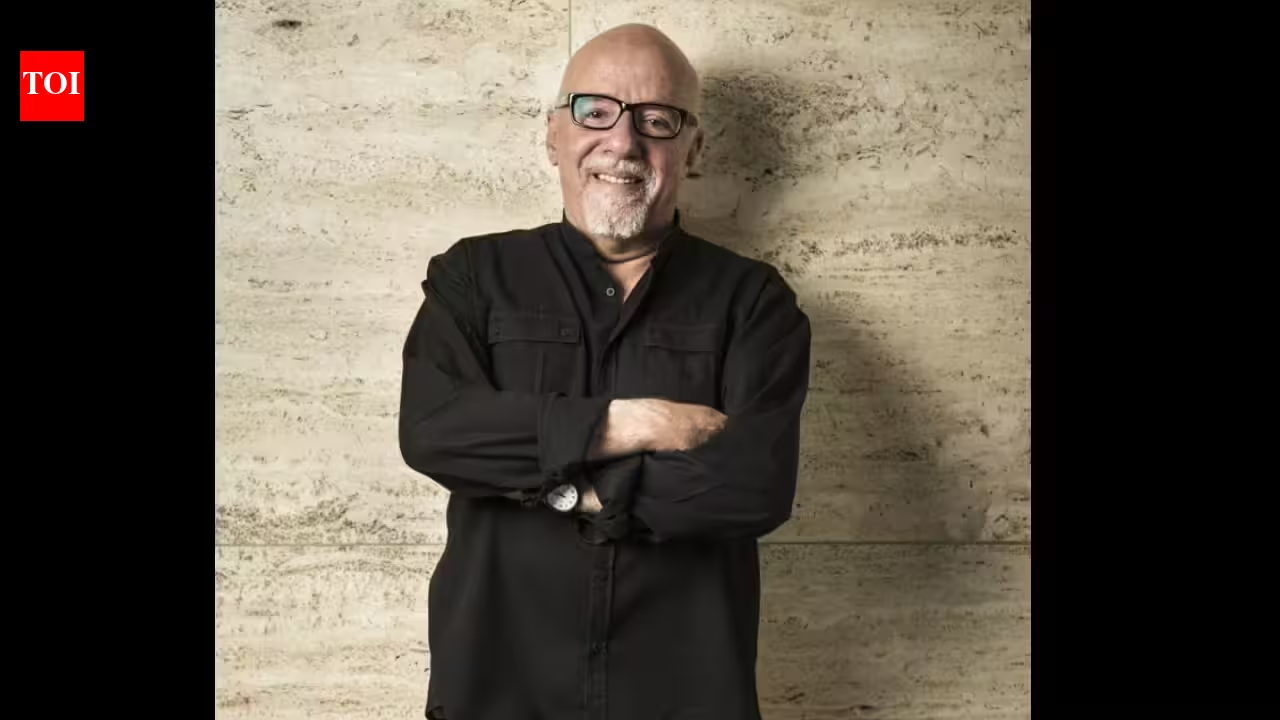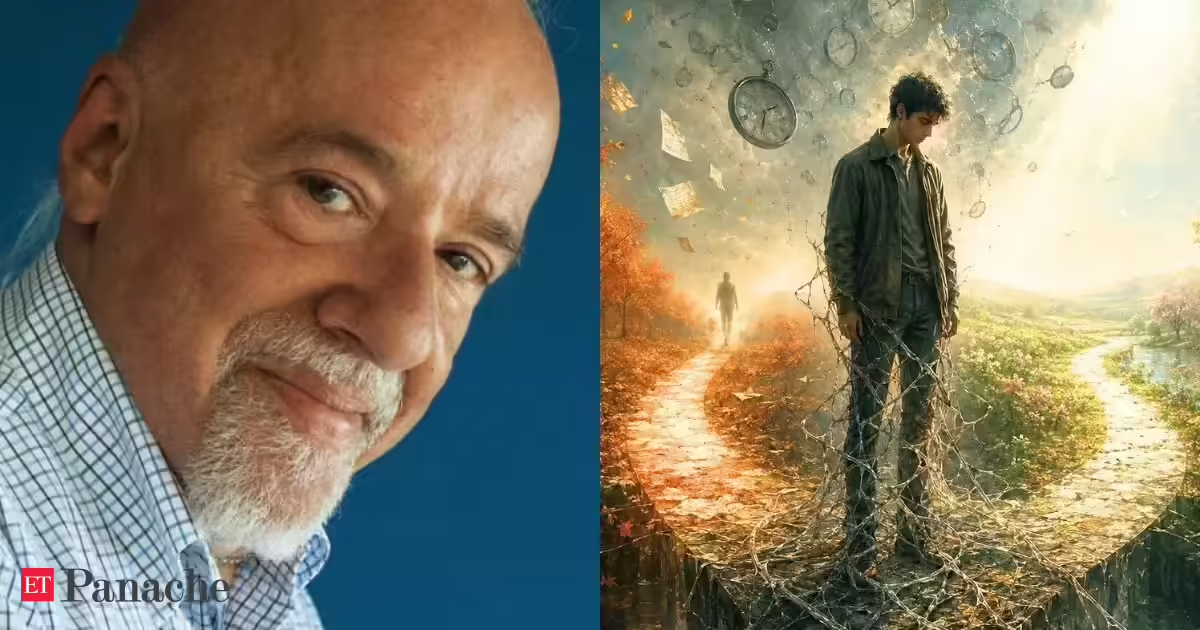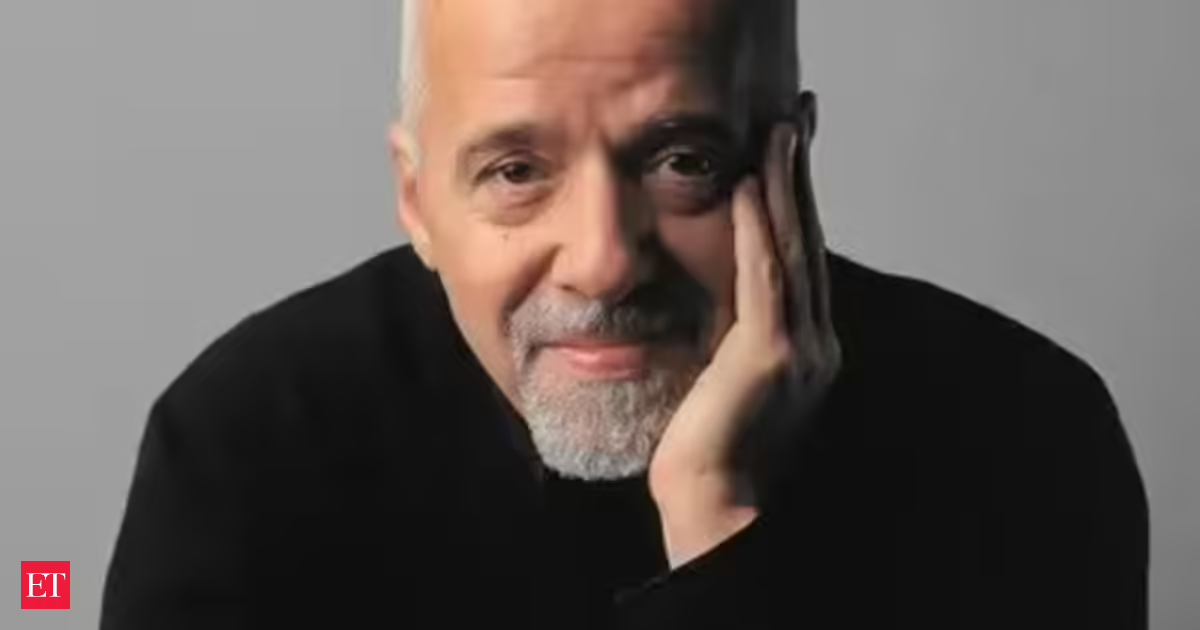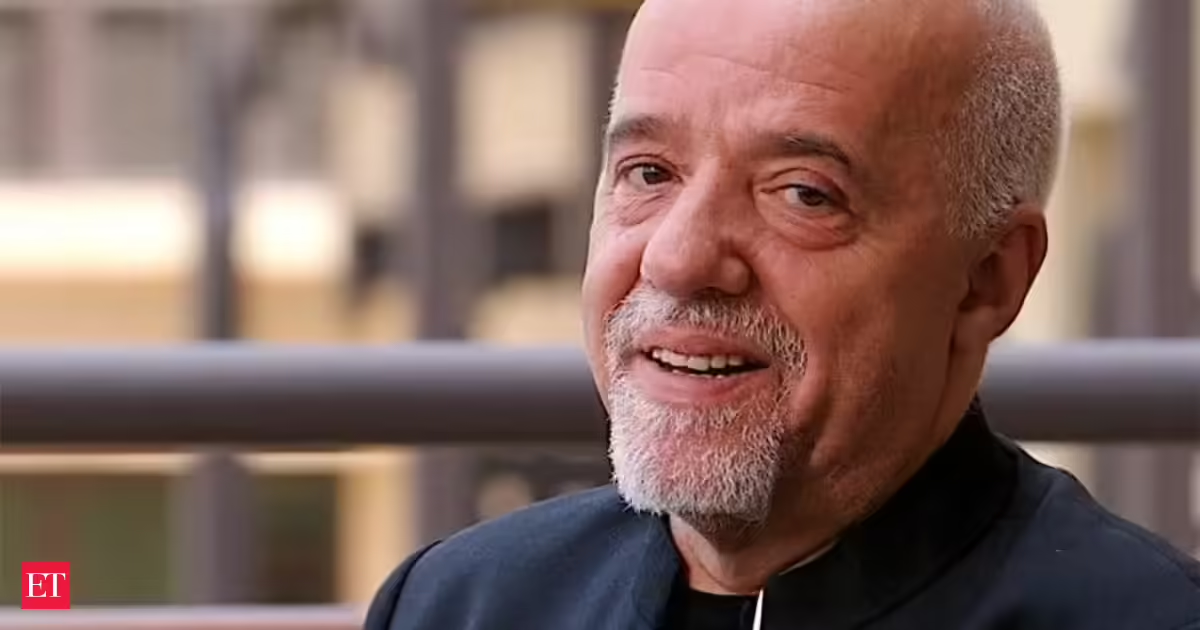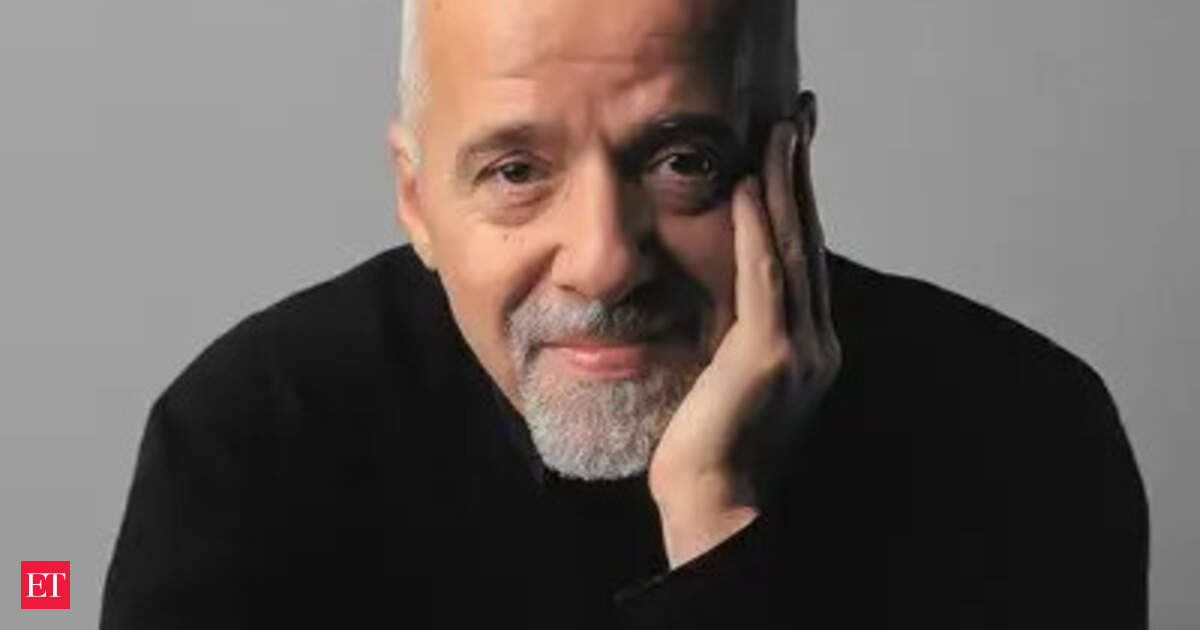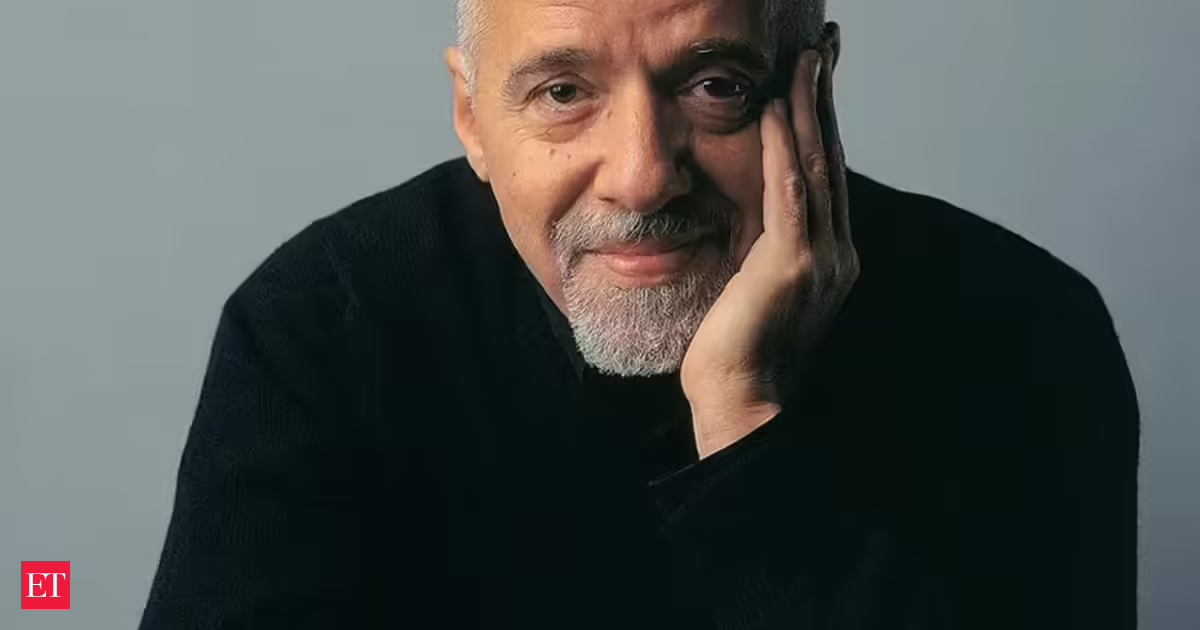
There are moments in life when everything seems to go wrong at once. A relationship ends unexpectedly. A job disappears. Plans collapse without warning. In those difficult moments, people often ask themselves one painful question: “Why is this happening to me?”But have you ever taken that positively, as some setbacks might not be meant to destroy your future but to redirect it?Quote of the Day by Paulo Coelho: “Not all storms come to disrupt your life, some come to clear your path.”The quote is widely associated with Paulo Coelho and has remained deeply popular because of its hopeful message about adversity, change, and personal growth. At a time when many people struggle with uncertainty, burnout, heartbreak, or fear of failure, the quote continues to resonate across generations.You Might Also Like:What the quote is actually suggestingThe quote reminds people that difficult experiences are not always meaningless punishments. Sometimes challenges force people to let go of situations, habits, relationships, or paths that were no longer right for them.The “storm” in the quote represents painful moments in life, loss, confusion, rejection, setbacks, or emotional struggles. Most people naturally see these moments as disruptions. But Coelho suggests they may also serve another purpose: clearing away what no longer belongs in your life.In everyday life, many people only recognize the value of a setback much later. A failed job interview may lead to a better career path. A painful breakup may eventually create space for healthier relationships. Losing stability can sometimes push people toward growth they would never have chosen voluntarily.The quote also speaks to resilience. It encourages people not to judge every difficult phase too quickly. Some experiences feel destructive in the moment but later become turning points that reshape a person’s life for the better.About Paulo Coelho: The thinker behind the ideaBorn in Rio de Janeiro in 1947, Paulo Coelho became one of the most influential writers in modern literature. But his journey toward global success was far from straightforward.From a young age, Coelho discovered a passion for writing and storytelling. Over the years, he worked in several creative fields, including theater, journalism, songwriting, and directing. His life experiences often shaped the deeply reflective themes found in his books.A major turning point came in 1986 when he completed the pilgrimage to Saint James of Compostela in Spain. The experience profoundly changed his outlook on life, spirituality, and purpose.Soon after, he wrote The Pilgrimage, an autobiographical novel widely considered the true beginning of his literary career.Coelho later went on to write more than 30 international bestsellers, including The Alchemist, Brida, Veronika Decides to Die, Manual of the Warrior of Light, and Eleven Minutes.His influence extended beyond literature. Coelho became a member of the Brazilian Academy of Letters and served as a United Nations Messenger of Peace. He also received more than 115 international awards, including the prestigious Chevalier de l’Ordre National de la Légion d’Honneur.Paulo Coelho’s philosophy behind the quoteMuch of Paulo Coelho’s writing centers around destiny, transformation, spirituality, courage, and the search for meaning. His stories often portray ordinary people facing uncertainty before discovering a deeper purpose in life.This quote reflects a recurring idea in his philosophy: struggle is often part of personal evolution.Coelho’s characters frequently experience failure, fear, confusion, or emotional pain before reaching clarity. Rather than portraying suffering as pointless, he often treats it as part of a larger journey toward self-understanding.His own pilgrimage experience also shaped this worldview. The idea that hardship can transform people emotionally and spiritually appears throughout his books and public reflections.The quote’s calm and reassuring tone mirrors Coelho’s broader belief that life’s disruptions may carry hidden lessons or opportunities people only recognize later.Why this idea still matters todayModern life often pressures people to appear successful, stable, and constantly in control. Social media, especially, can create the illusion that everyone else’s life is progressing smoothly. As a result, setbacks can feel deeply personal and isolating.That is why this quote still connects strongly with people today. It offers a different perspective on failure and uncertainty. Instead of seeing every obstacle as proof that life is falling apart, the quote encourages people to consider that change may sometimes be necessary for growth.The message applies across many parts of life, careers, relationships, mental health, education, parenting, and personal ambition.For someone struggling after losing a job, ending a relationship, or facing emotional burnout, the quote can serve as a reminder that difficult seasons do not always signal the end of progress. Sometimes they are simply clearing space for a different future.
Quote of the Day by Paulo Coelho: ‘Not all storms come to disrupt your life, some come to…’ - Brazilian lyricist explains the hidden meaning of pain, change, growth and why difficult times may change you for the better
Quote of the Day by Paulo Coelho suggests life's unexpected storms, like relationship endings or job losses, may not be meant to destroy but to redirect your future. Paulo Coelho's popular quote explains these challenges can clear the path for necessary growth and new opportunities, offering a hopeful perspective on adversity and transformation.
750 words~3 min read