I had been thinking about the changing nature of global political relations and how a transactional style of international relations and economic coercion has overtaken “soft power” relations in the world when I read an article in the Financial Times that confirmed my suspicions.
Gideon Rachman’s article, headlined “China is building soft power as Trump burns bridges”, argues that “China’s emergence as a snooker superpower is a small sign that the country is beginning to develop ‘soft power’” — what Rachman refers to as “the cultural cachet that can burnish a nation’s global image”.
“Soft power” was a term first coined by prominent political scientist Joseph Nye in his 1990 book Bound to Lead: The Changing Nature of American Power. Nye defined it as the ability to get others to want the outcomes you want, primarily through appeal and attraction rather than coercion.
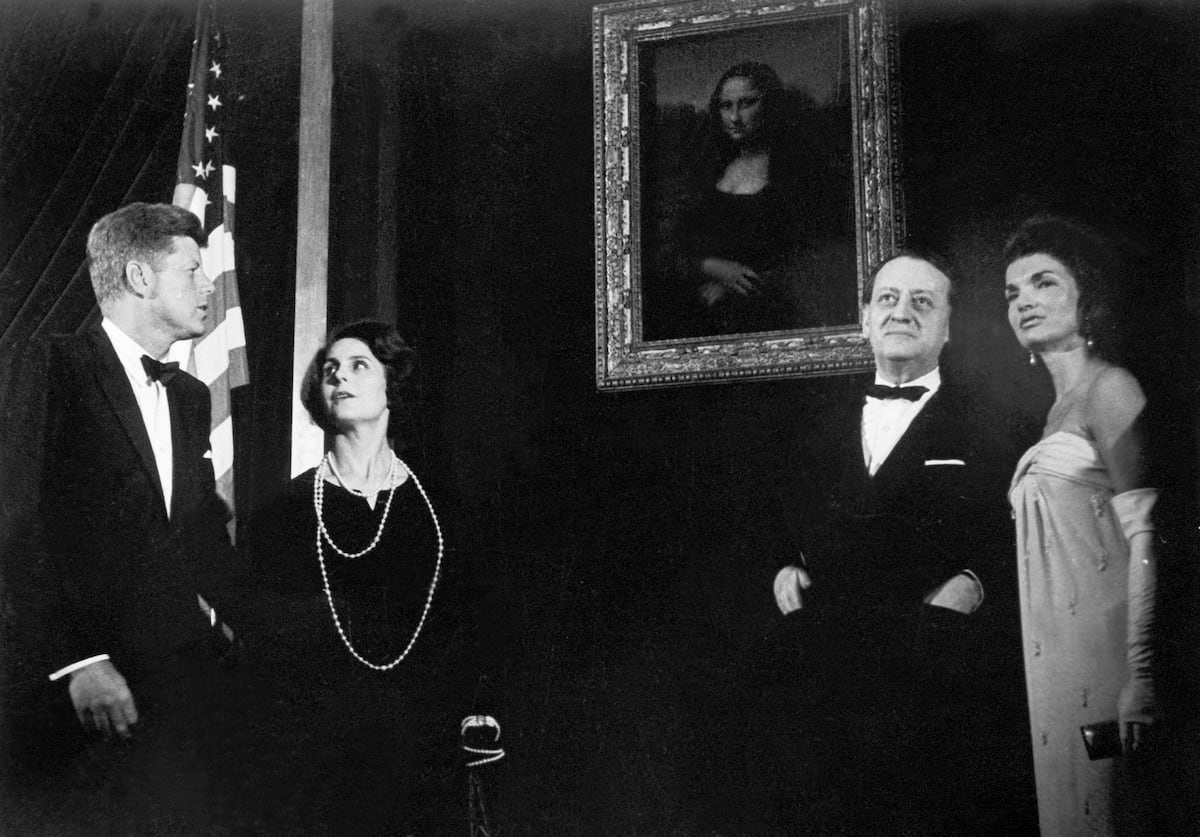
Nye argued that soft power is derived from a country’s culture, political values and foreign policies, particularly when these are seen as legitimate and morally authoritative by others. The US has historically wielded the charm offensive of soft power very successfully.
America and the West prevailed in the Cold War in the 1980s, not least because American society seemed so much more appealing, vibrant and free than the Soviet Union. The longing to wear jeans, use expensive perfume, grow long hair and listen to rock music created strong cultural pull factors towards the West.