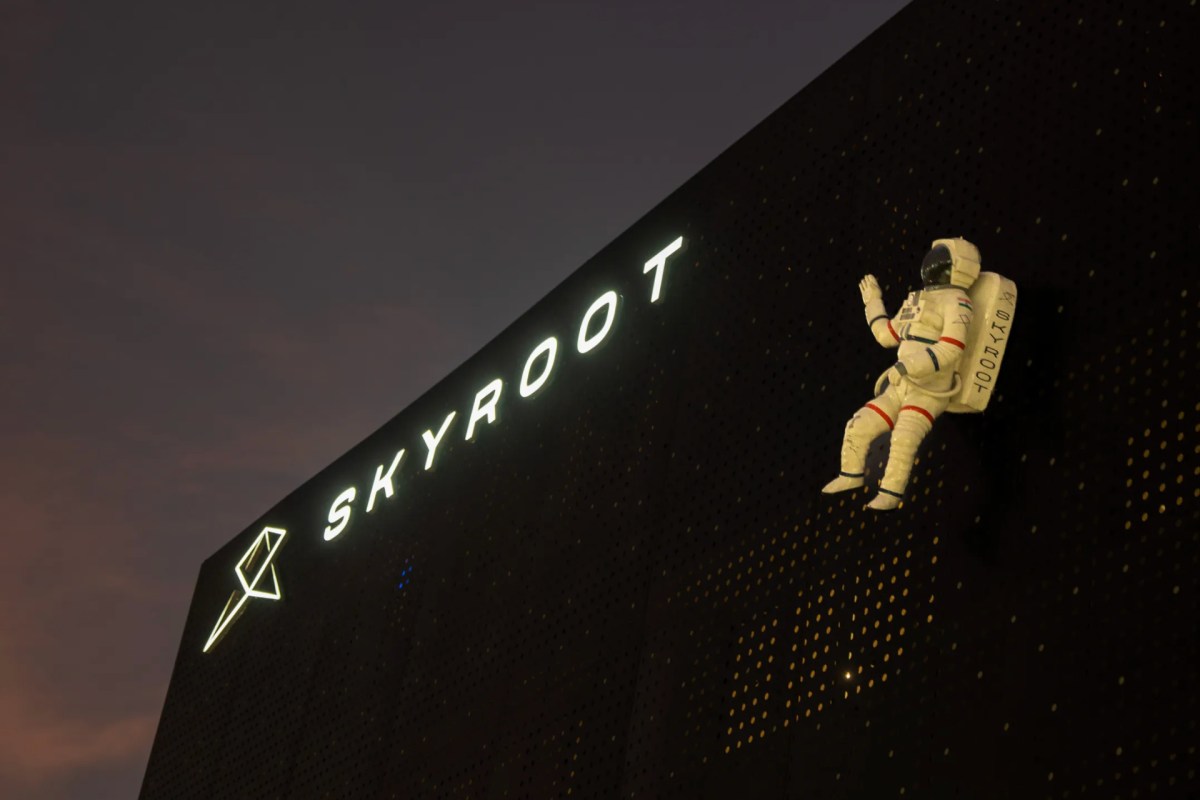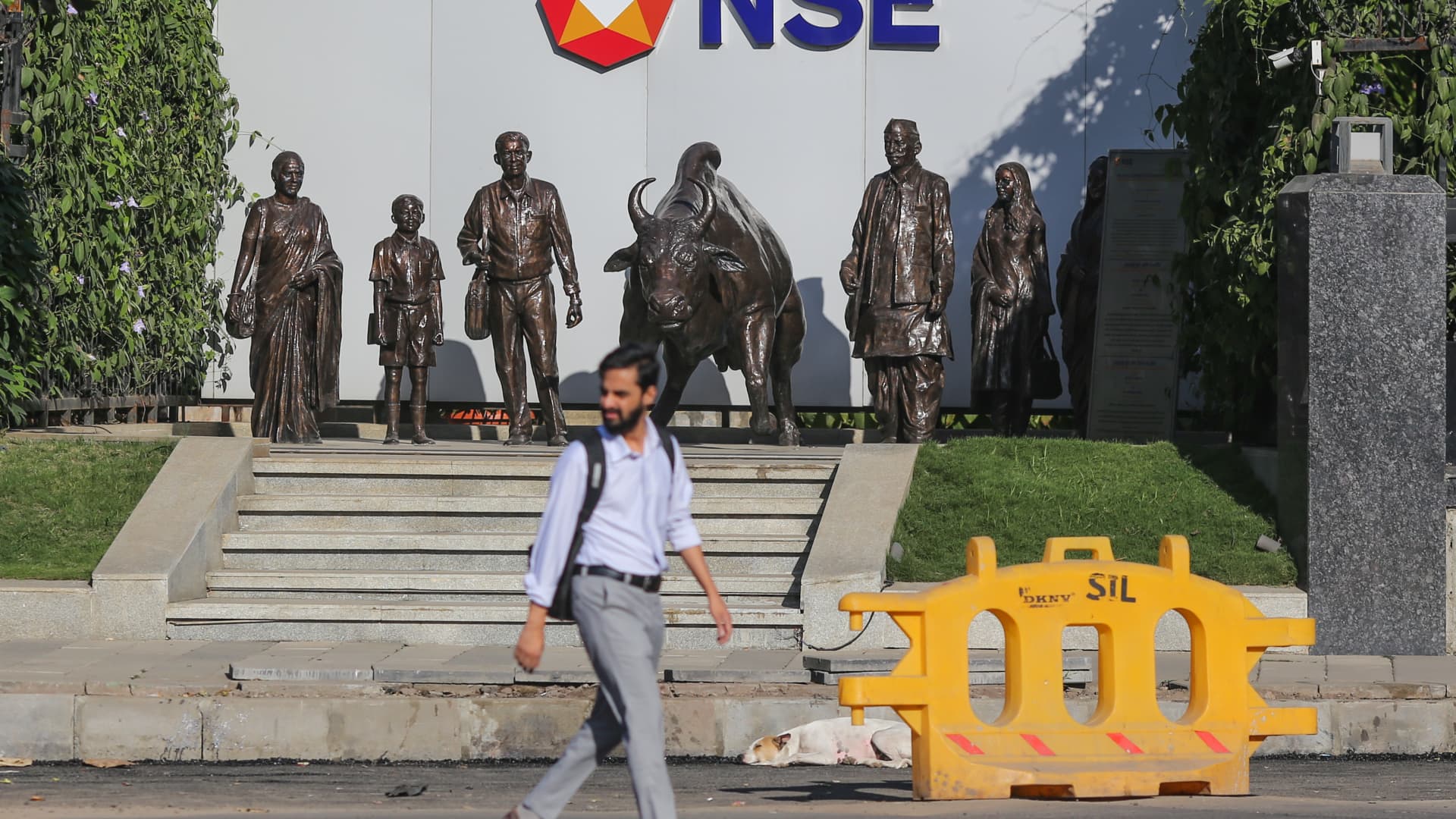
Happy Friday! The point-of-sale (PoS) supply has dried up in India as the West Asia conflict squeezes imports. This and more in today's ETtech Morning Dispatch.Also in the letter:■ Razorpay's offline play■ UpGrad-Unacademy merger■ Walmart CEO on quick commercePayments companies see PoS pause on war-related imports squeeze India's digital payments ecosystem is facing a shortage of new PoS terminals as West Asia tensions and memory chip supply issues in China disrupt imports, sources told us.What's happened: Nearly all PoS terminals used in India are imported by banks and fintech firms, making local supplies vulnerable to geopolitical disruptions.Demand for these machines has been rising as merchants upgrade to terminals that can handle mobile payments, tap-and-pay, and chip-and-pin transactions.Rising pressure: Pine Labs says it is sitting on a backlog of nearly 200,000 deployments. “PoS demand has shot up because mid-market merchants prefer UPI on the PoS machine due to security and reconciliation issues. 70% of PoS transactions are now on UPI,” CEO Amrish Rau said.Other significant PoS deployers include Paytm, Innoviti Payments, MSwipe, Razorpay, and Worldline, which was recently acquired by online payment aggregator BillDesk.Pricing issue: Industry executives said terminal prices have risen 15% to 20%, with devices that cost around Rs 8,500 six months ago now priced above Rs 10,000. Since many terminals are deployed on behalf of banks, merchant acquirers have limited room to renegotiate, which is squeezing margins.Also Read: Digital lenders put small business on watch listGlobal demand will be major revenue driver: newly minted unicorn Skyroot Aerospace CEO Pawan Chandana Pawan Kumar Chandana, CEO, Skyroot AerospaceSkyroot Aerospace, which became India's first spacetech unicorn on Thursday, believes global demand will be a major revenue driver, with most customer conversations coming from the US, Europe, and Southeast Asia.Driving revenue: Cofounder and CEO Pawan Kumar Chandana told us the company had to “break the glass ceiling” to raise capital in a sector where meaningful revenues can take years to materialise.“When a product and revenue streams are years away, it's a very unique kind of fundraising one has to go through, and it's been very, very difficult. But once our Vikram-I launch happened (sub-orbital), there was a lot of interest as there was proven capability,” Chandana said.Tell me more: The startup is preparing to launch Vikram-1 from Sriharikota within the next two weeks once it receives an official window.“Vikram-II is already under development and will share the same first-stage architecture as Vikram-I, which is a major advantage since that portion of the rocket will already be proven through this mission,” he said.Funding details: Skyroot raised about $60 million in a round led by Ram Shriram's Sherpalo Ventures, valuing the Hyderabad-based space startup at $1.1 billion and making it India's first spacetech unicorn.In the unicorn round, existing backers including GIC, BlackRock, the Greenko founders, Arkam Ventures, and others are also participating. Temasek is not part of this round. The capital will go towards launch vehicle development, higher launch frequency, infrastructure, hiring, and broader technology build-out.Also Read: Skyroot Aerospace bets on ‘space taxi’ model as Vikram-1 launch nearsEx-Arvind Fashions MD Shailesh Chaturvedi's new venture Neopolis Brands in talks to raise Rs 100 crore Neopolis Brands, the new venture founded by former Arvind Fashions MD & CEO Shailesh Chaturvedi, is in talks to raise around Rs 100 crore in funding, sources told us. Stock market investor Ashish Kacholia is among the investors who will participate in the round. “Neopolis Brands is looking to build a portfolio of global fashion accessory brands, acting as a retail partner for them to enter the Indian market under long-term agreements,” one source said.Chaturvedi's career in the fashion industry spans nearly three decades, with leadership roles across companies, including Madura Coats and UCB, besides Arvind.Razorpay set to focus solely on omnichannel for offline play IPO-bound fintech unicorn Razorpay has slowed its offline expansion push amid sluggish growth in the vertical, four years after it foray into the PoS business via Ezetap's $150 million acquisition.What's happening: Razorpay has slowed its offline expansion after Ezetap failed to grow meaningfully beyond the base it had at the time of acquisition.The company is now focusing on omnichannel merchants, rather than chasing a wider offline merchant base.Ezetap's PoS business generated around Rs 225 crore in FY25, accounting for only about 6% of Razorpay's overall revenue, per sources.The pullback comes as Razorpay prepares for an IPO and sharpens its focus on cost control, profitability, and its core online payments business. Tell me more: Offline payments is a tougher business than online payments, requiring field teams, hardware deployment, servicing infrastructure, and consistent merchant support. Rivals are moving in the opposite direction: Pine Labs and Paytm are building online businesses, while BillDesk recently acquired Worldline India to enter offline payments.Also Read:Regulations slow growth but reward patient founders: Razorpay's Harshil Mathur at YC Startup SchoolOther Top Stories By Our Reporters Ronnie Screwvala, founder, UpGrad and Gaurav Munjal, founder, UnacademyUpGrad, Unacademy approach CCI for merger: Ronnie Screwvala-founded higher learning firm UpGrad and test-prep startup Unacademy have filed an application seeking antitrust clearance from the Competition Commission of India (CCI) for their proposed merger, according to documents published by the regulator.Walmart CEO John Furner in India: Addressing a townhall at ecommerce company Flipkart in Bengaluru earlier this week, Walmart president and CEO John Furner, who is on his three-day maiden visit to India, said the US-based retailer was bullish on quick commerce in the country.Ola Consumer begins IPO prep, FY25 revenue drops: Ola Consumer's parent entity, ANI Technologies, posted a 42% drop in revenue to Rs 1,171 crore for the fiscal year ended March 2025. Ola has also formally started preparations for its initial public offering after receiving approval from its board.Global Picks We Are Reading■ Elon Musk's last-ditch effort to control OpenAI: Recruit Sam Altman to Tesla (Wired)■ Apple, Berkshire and the virtue of patience (FT)■ Five times AI hallucinations embarrassed governments (Rest of World)
PoS terminal supply squeeze; Skyroot CEO on unicorn flight
Happy Friday! The point-of-sale (PoS) supply has dried up in India as the West Asia conflict squeezes imports. This and more in today's ETtech Morning Dispatch.
975 words~4 min read