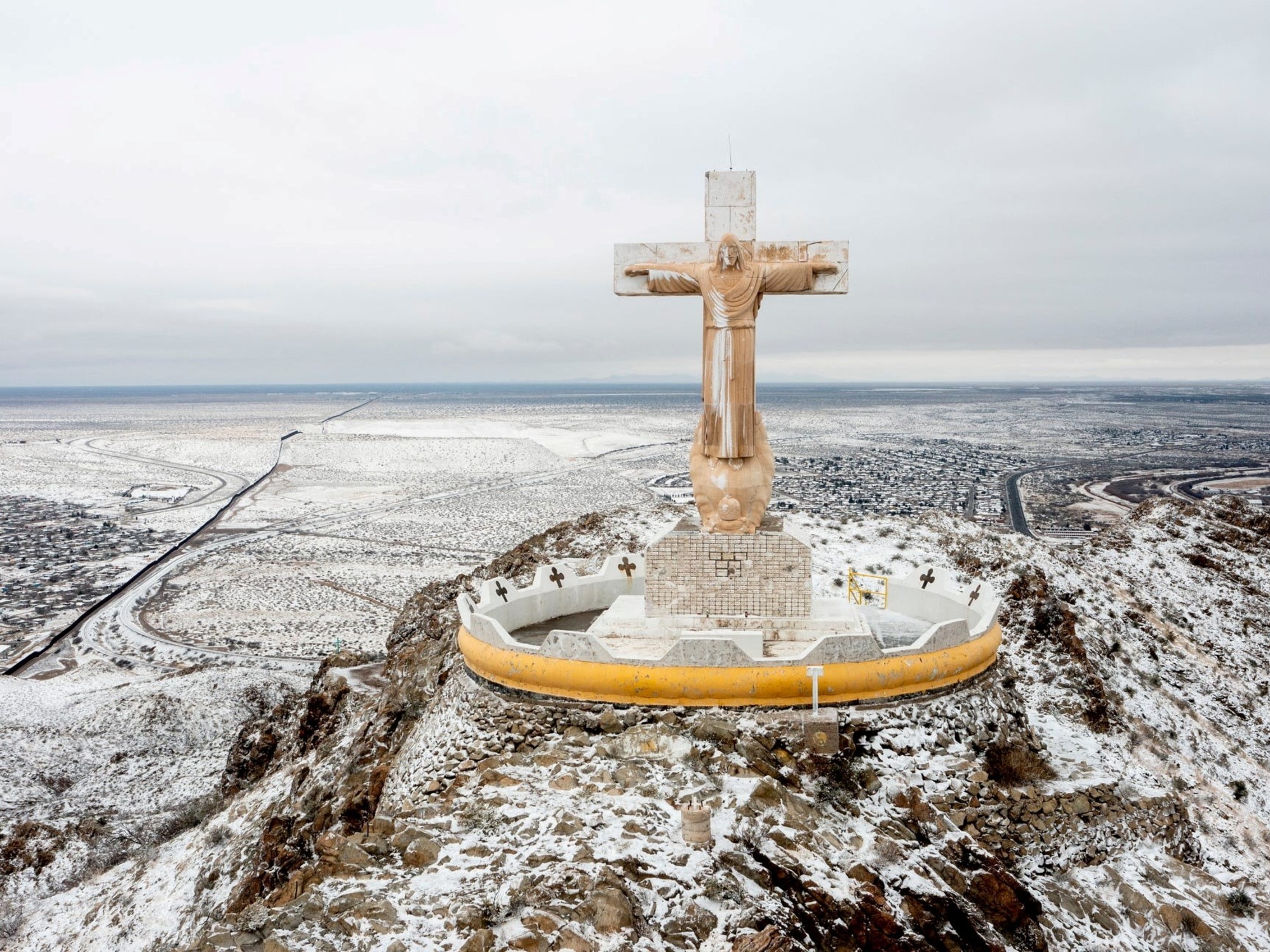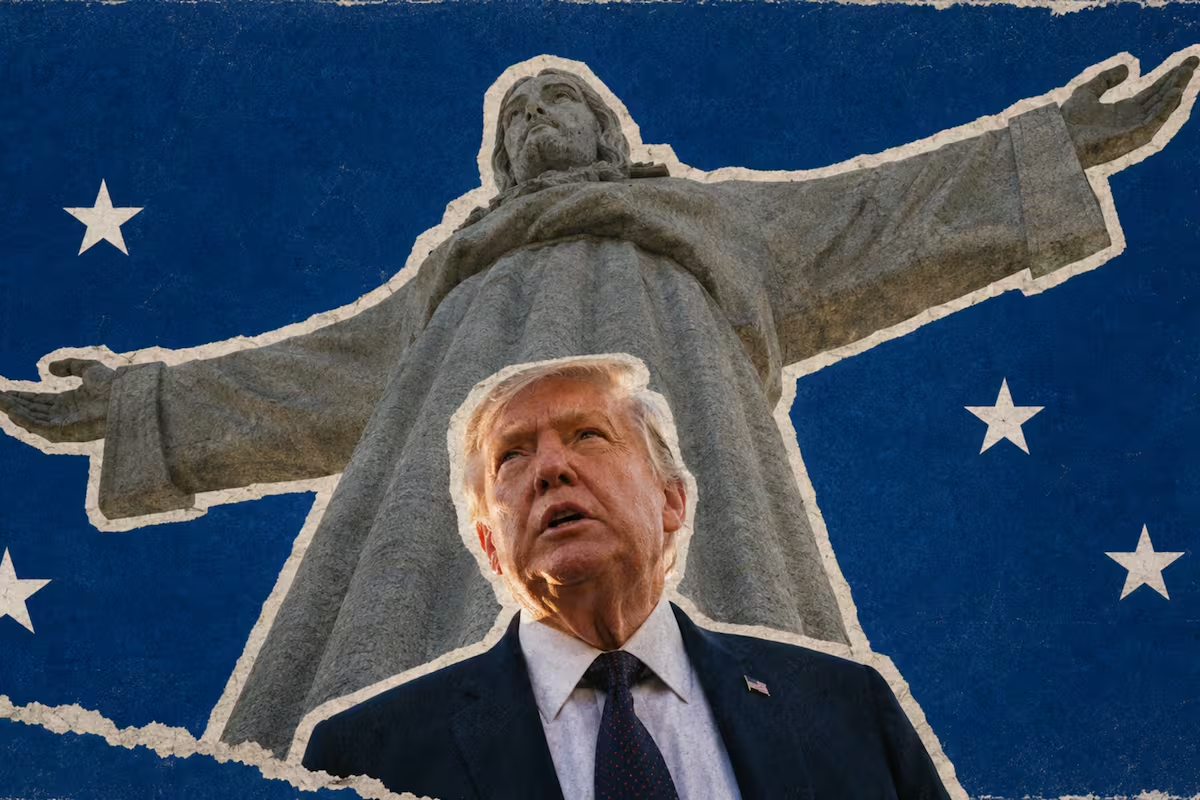
EL PASO ‒ Federal officials are trying to seize from the Catholic Church a rugged border mountain topped with a massive statue of Jesus, arguing they need the land to build President Donald Trump's border wall and keep out unauthorized immigrants. Filed in U.S. District Court in New Mexico on May 7, the federal government's eminent domain claim on Mount Cristo Rey on the Texas-Mexico-New Mexico border comes as Trump and Pope Leo XIV have disagreed over the United States' treatment of immigrants.
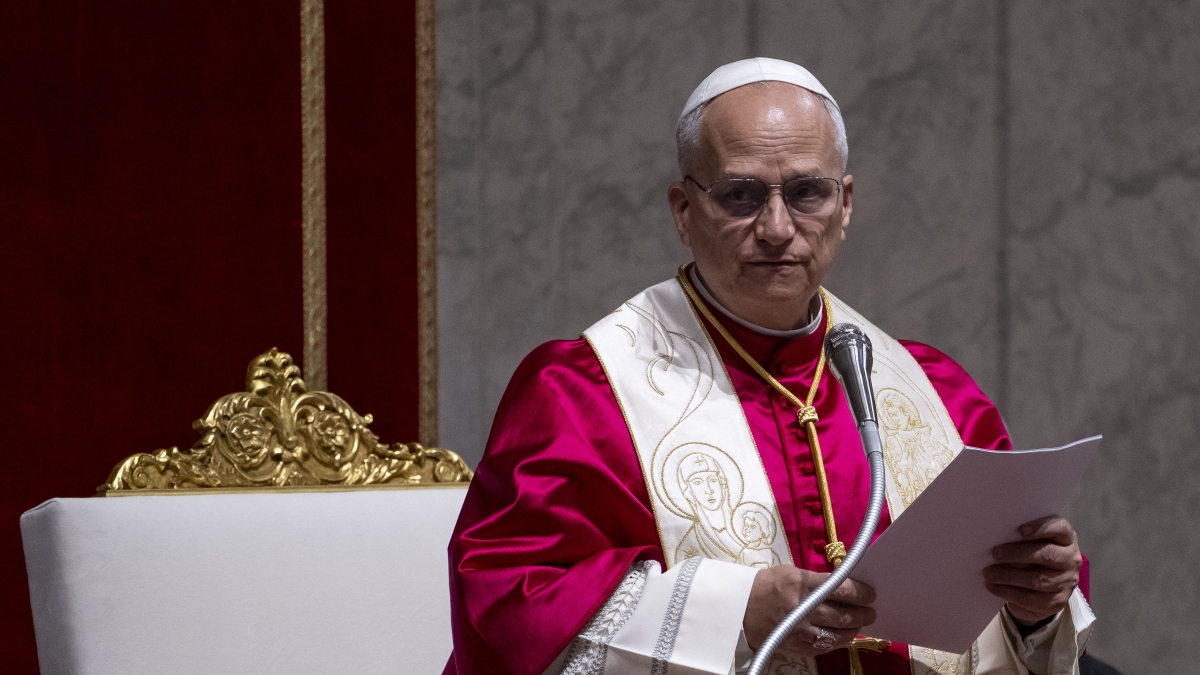
Pope Leo XIV is the first American-born pontiff, and he has repeatedly cautioned that Trump's tough immigration strategy is contrary to the teachings of Jesus. A recent poll showed more Americans siding with Leo than Trump.
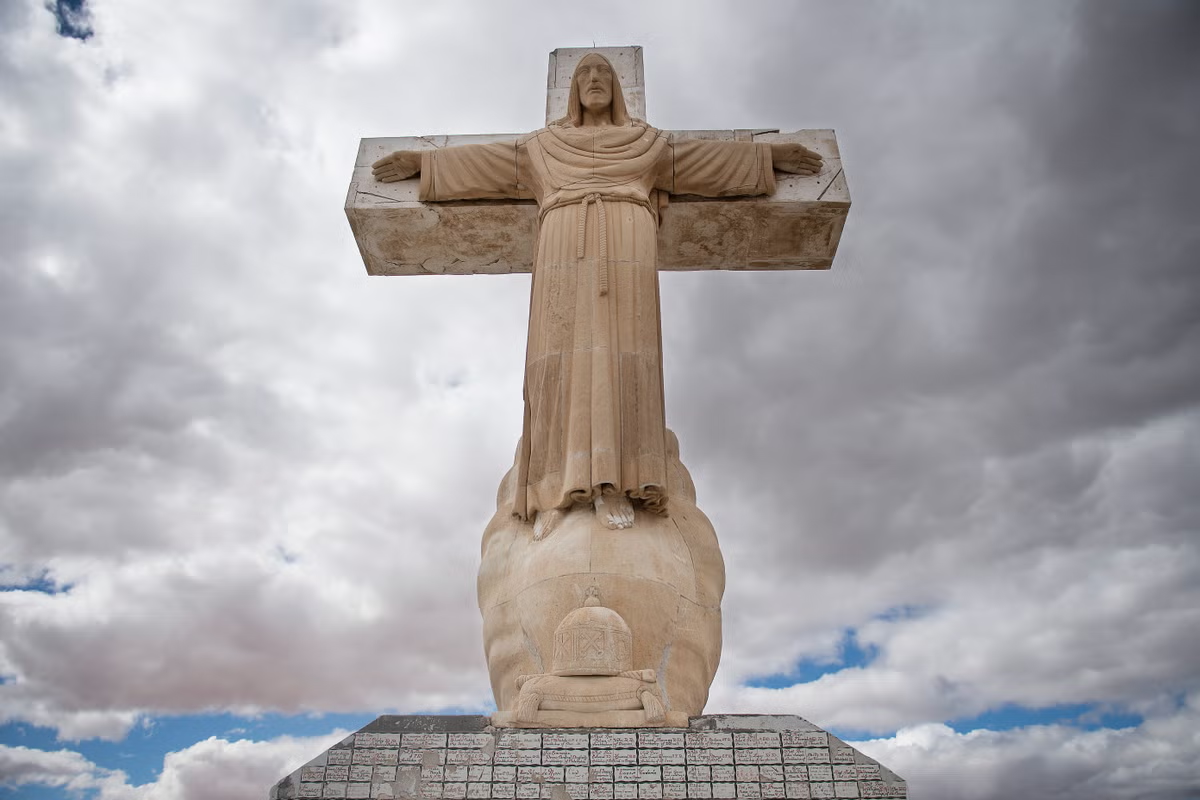
The mountaintop statue of Jesus on the cross, facing the rising sun to the east, has long drawn religious pilgrims from both sides of the border, although the statue sits a few hundred feet on the American side.
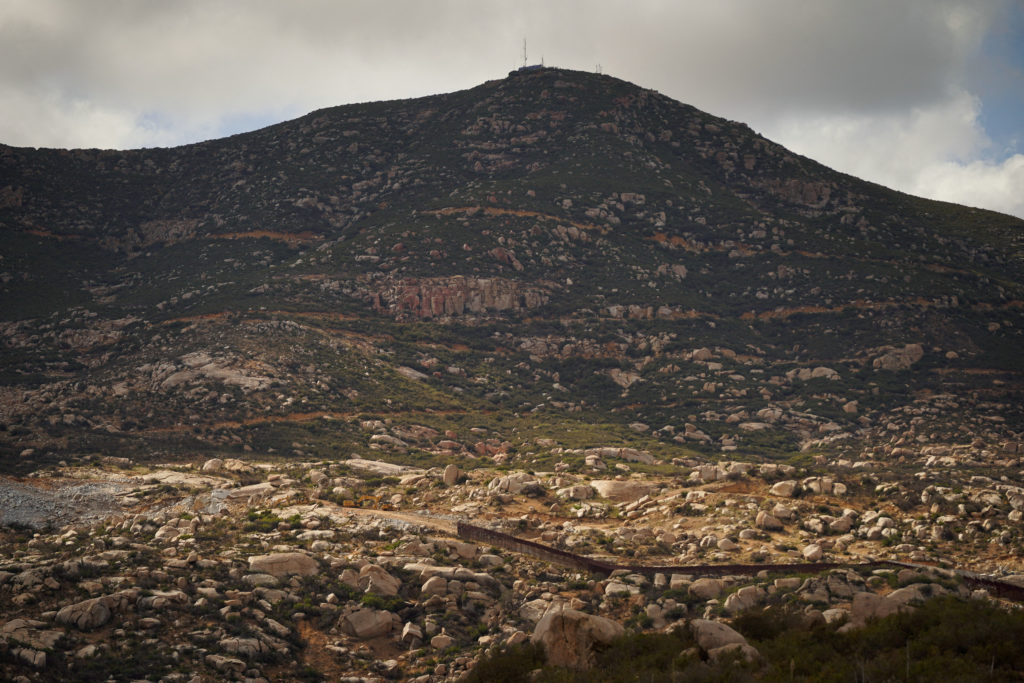
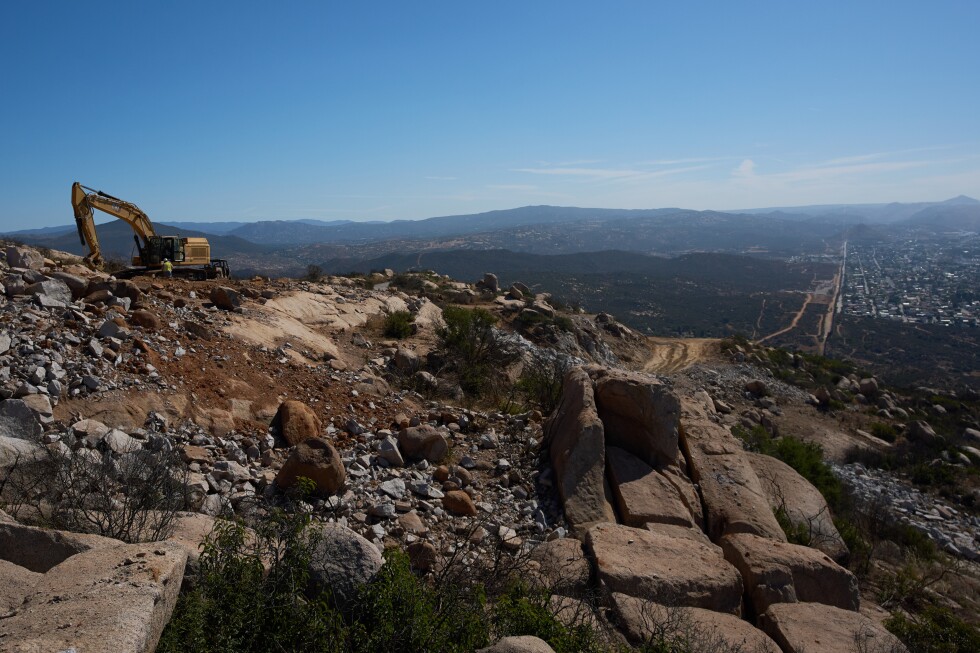
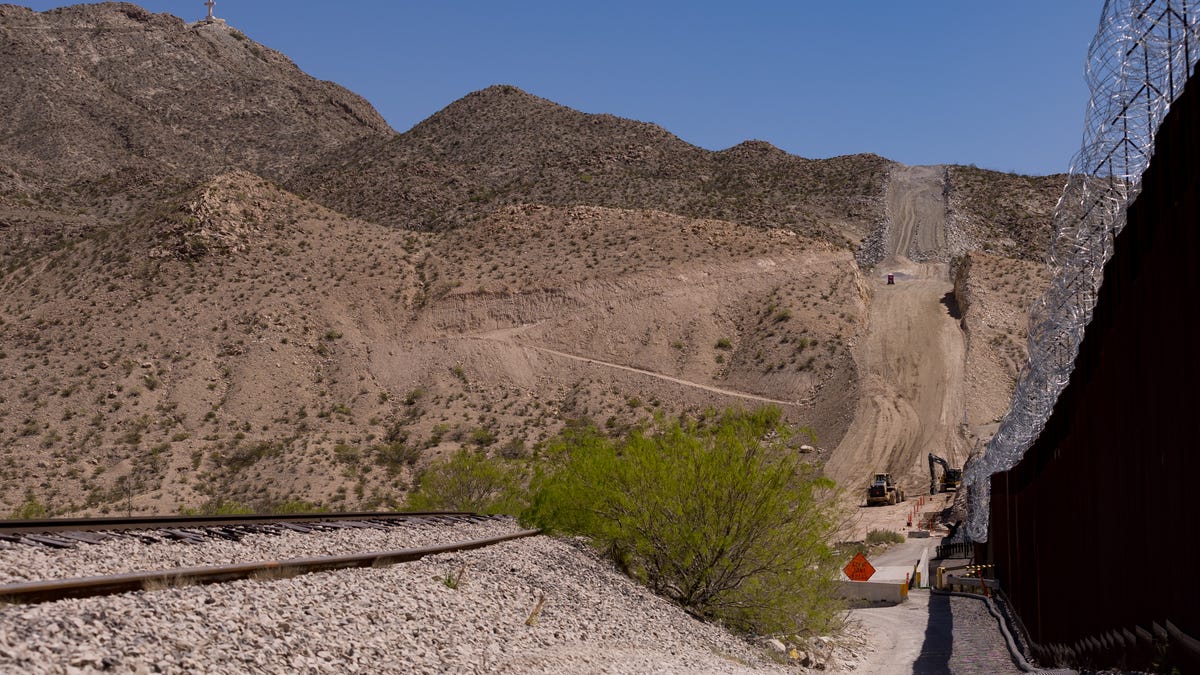
For decades, the steel border wall separating the El Paso area from Juárez ended at the mountain's base. That's in part because the mountain is dangerously rugged and a natural barrier, and in part to allow pilgrims from both countries to access the site built in the 1930s. The Catholic Diocese of Las Cruces in New Mexico has asked a federal judge to block the government's acquisition, arguing that taking the 14.2 acres would violate religious rights of pilgrims who routinely make the five-mile hike, often barefoot. Some carry crosses or ascend on their knees as a sign of humility. As many as 40,000 people climb the mountain on the feast day of Christ the King each fall, according to the diocese. "The erection of a border wall through or along this holy site could irreparably damage its religious and cultural sanctity, obstruct pilgrimage routes, and transfer sacred space into a symbol of division," the church said in a court filing. Federal officials say the need for the border wall outweighs other interests. In a statement, U.S. Customs and Border Protection officials said they had tried to buy the land but invoked eminent domain once it became clear the church would not sell. Under the eminent domain process, the federal government would pay the diocese fair market value for the land, which it said is roughly $183,000. CBP officials called the proposed new barrier a "Smart Wall," which could include steel bollards, roads and remote-detection technology. "It is always CBP's preference to obtain real estate interests voluntarily, however, if CBP is unable to acquire the necessary access voluntarily within a reasonable timeframe, CBP refers the matter to the Department of Justice to acquire any necessary property interest(s) through eminent domain," Homeland Security officials said in a statement to USA TODAY.