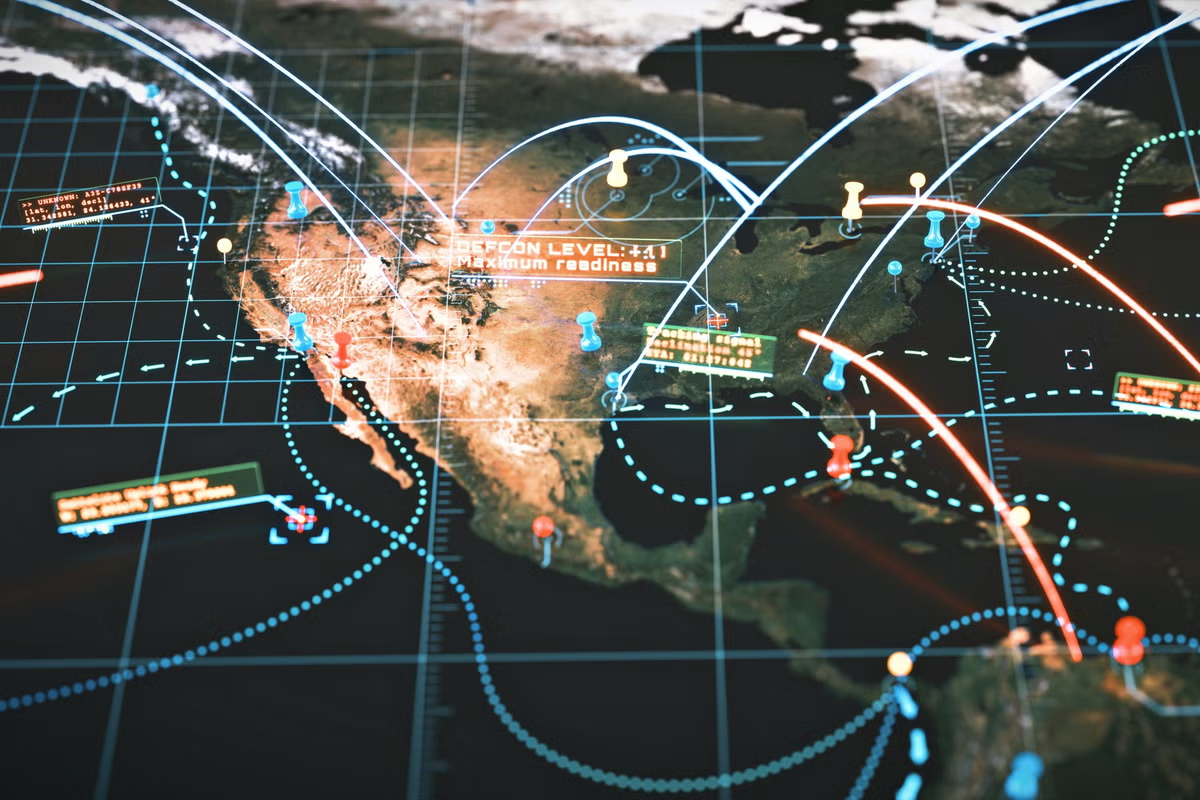
In 1983, the film WarGames imagined a teenager who accidentally accessed a Pentagon computer system and triggered a simulation program, subsequently interpreted as the prelude to a nuclear war. The film made such an impression on Ronald Reagan that he asked his advisers whether such an intrusion into America’s most sensitive systems was possible. A week later, the answer came: “Mr. President, the problem is far worse than you think.”
Nuclear weapons policies are based on a series of bets, often far-reaching, on the future of nuclear deterrence. First, nuclear-armed countries gamble that the fear of retaliation will always be enough to prevent an adversary from striking first, and that they will always have the expertise and luck necessary to prevent accidental explosions. They bet that possessing nuclear weapons will remain a source of security rather than insecurity in decades to come.
However, as my colleagues Sterre van Buuren and Benoît Pelopidas and myself demonstrate, there are several plausible future scenarios in which possessing nuclear weapons will generate more real costs than potential benefits in a world that has warmed by several degrees. Maintaining a credible and safe arsenal will require budgetary choices at the expense of other urgent spending made necessary by the climate crisis.