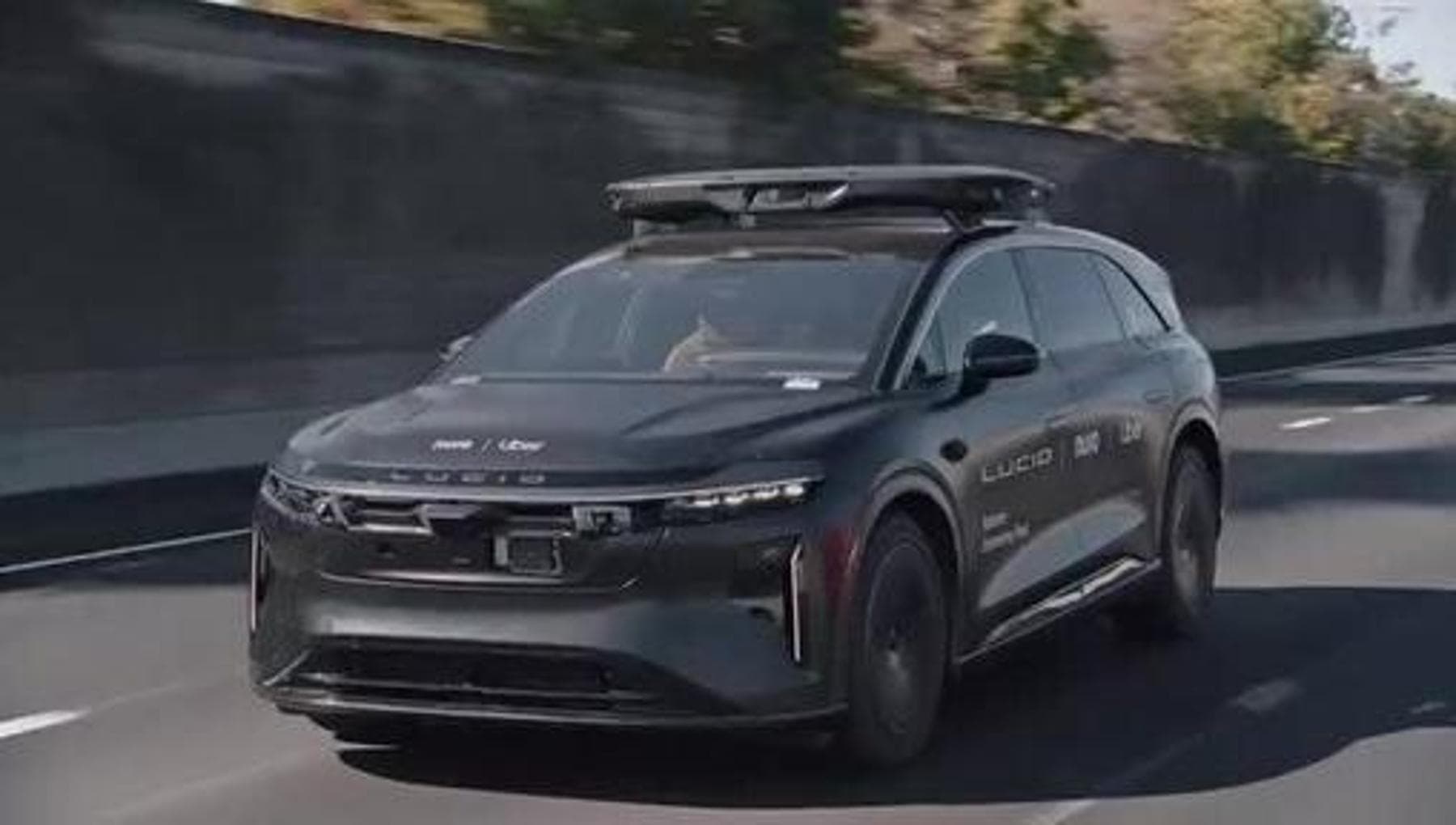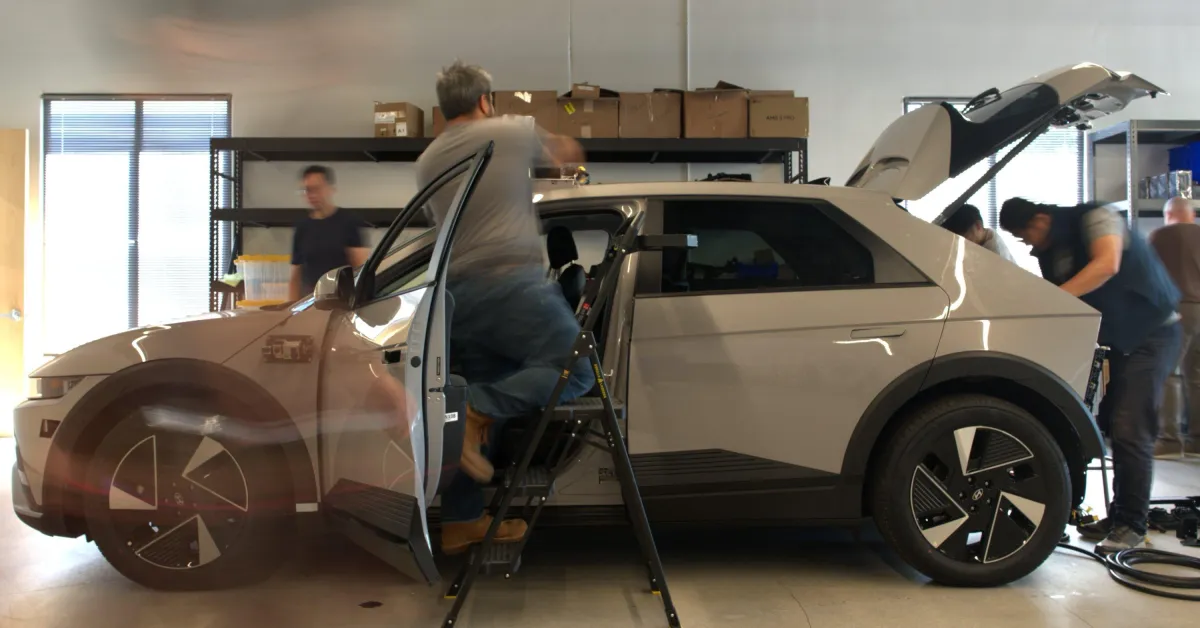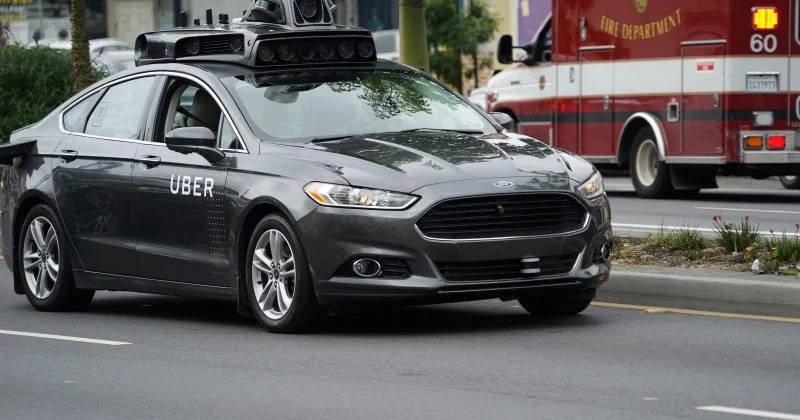
Uber's Autonomous Solutions division wants to be a one-stop shop for everything but the actual autonomyUberUber has announced the creation of their “Autonomous Solutions” division as a core plank in their plan for the robotaxi world. It’s a division designed to fill in most of the components of a robotaxi service, except the self-driving vehicles themselves. This will be used by Uber’s partners to complete their offering, so that a company can focus only on the self-driving while Uber does the rest--including, of course, their current core business of booking the ride and owning the customer.To run a robotaxi service, the essential ingredient is a safe self-driving vehicle. But there’s actually a lot more to do. I outlined a list of most of those things in my earlier articles on the infrastructure needed for such a service, and many are surprised to learn how many there are. While making the self-driving vehicle is the “rocket science” part which only a few companies have attained, there’s a lot of work and money needed for the rest.ForbesSo You’ve Built A Robotaxi, Now Where’s Your Infrastructure?By Brad TempletonUber’s original plan, back in the mid-2010s, was to create their own self-driving vehicle, and they built the Uber ATG division to do this. They correctly identified that self-driving was the future of their ride-hail business, and wanted to be one of the providers, for good reason. They failed, in large part because bad practices led to a fatal crash, shutting them down. The ATG unit was “sold” to Aurora (Uber paid but got equity in Aurora which has become valuable.)In the robotaxi vision, the automotive industry switches, in part, to being about selling rides rather than selling cars. Uber has the best brand in the west in selling rides, which puts them in an interesting position.It’s still a disruptive transition for them. Uber, inside, is just an app that connects drivers and riders, though to riders it looks like a ride service. Because Uber is a big corporation, and drivers are just gig workers, Uber holds almost all the power in that relationship. Uber drivers feel they “work for Uber" on Uber’s terms. They can set their hours and they pick their car, but not a lot more. Drivers can choose which Taxi-Network-Company (TNC) to work for (or to work for both.) Riders can pick their TNC (now including Waymo) but also don’t have much control in the relationship. A nice place to be for Uber.Waymo books rides through Uber in a couple of their service areas. That bring Waymo riders as they wish them without Waymo having to do a lot. The relationship is different, though. Waymo is part of Alphabet, a company many times the size of Uber. Waymo won’t “work for Uber” the way a driver does. Zoox, part of Amazon, also never will. That’s less clear with Uber’s smaller partners like Nuro , Waabi and WeRide. While they will have much more power than a single driver, it’s a tall order for them to do all this alone. The suite of services Uber is developing will be important for them, as of course is the ability to get riders with no effort though Uber’s app. It’s an attractive package.There was an era when Uber wanted to make its own self-driving systemAFP via Getty ImagesUber does more than send riders to Waymo, they are also running depots for them, but not in all cities. (Waymo also works with African financing company Moove and runs its own depots.) Depots for charging, cleaning and service are one of the biggest infrastructure components, but one that it makes sense to outsource.Uber is also providing data services to companies to help them build maps and train their AIs, so they are looking to see what tools they can provide even in the making of the actual self-driving system. (I have an investment in a startup which partners with Uber in this area.)Uber hopes that their suite of offerings will be hard to resist for companies without huge resources, and even valuable to those who have them.As noted, players like Alphabet, Amazon and Baidu are huge, much larger than Uber, and with assets Uber can’t match. Their brands are huge, and their digital footprints even larger. (Far more people have their apps than have Uber, and Amazon has billing relationships with vast numbers of Prime users.) Tesla doesn’t have the app footprint but they have service depots in most cities, and by far the biggest and best EV charging network.Uber does have a partnership with large companies aside from Waymo. Motional, which is part of Hyundai, books rides through them. MOIA is part of Volkswagen, and MOIA’s autonomy provider Mobileye is a unit of Intel. These are companies large enough to go it alone (as are many of the global automotive OEMs who some day may play in this space) but their small divisions may decide to let Uber do the work.It’s easy to let a partner do the work, but the big battle will be over the fact that Uber’s plan is to own the customer, as they do in ride-hail. If the rider summons the car with the Uber app, Uber keeps control over the business end. They set the prices and define the business model. That’s a sweet place to be, but it’s also too sweet for the large partners to tolerate.Uber would hope to be the one-stop shop for riders: Pull up the Uber app, and be offered a ride in a Waymo, a Nuro, a Zoox or other robotaxi, or get a human driven ride. Those won’t all be at the same price though, which is quite different from Uber today. (Before Uber, another company Sidecar allowed drivers to set prices so riders saw a menu of prices for their ride. Lyft’s and Uber’s simpler system won the day for various reasons.) Will all the players tolerate Uber being in such control of the game?Also unknown is what happens with other business models, such as subscription and car-replacement offerings. These are actually where the big money in robocars may come from. As nice a business as Uber is, it’s still a small part of the total ground transport market, which is mostly served today by private cars.Uber, at least, has made their desired position clear.
Uber ‘Autonomous Solutions’ Reveals Their Strategy, Is It Enough?
Uber wants to provide all the many other ingredients of self-driving beyond the vehicle, including of course the ride hail
1,053 words~5 min read