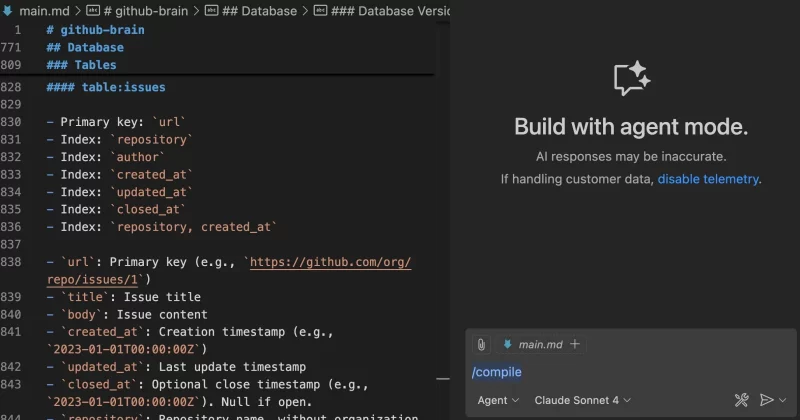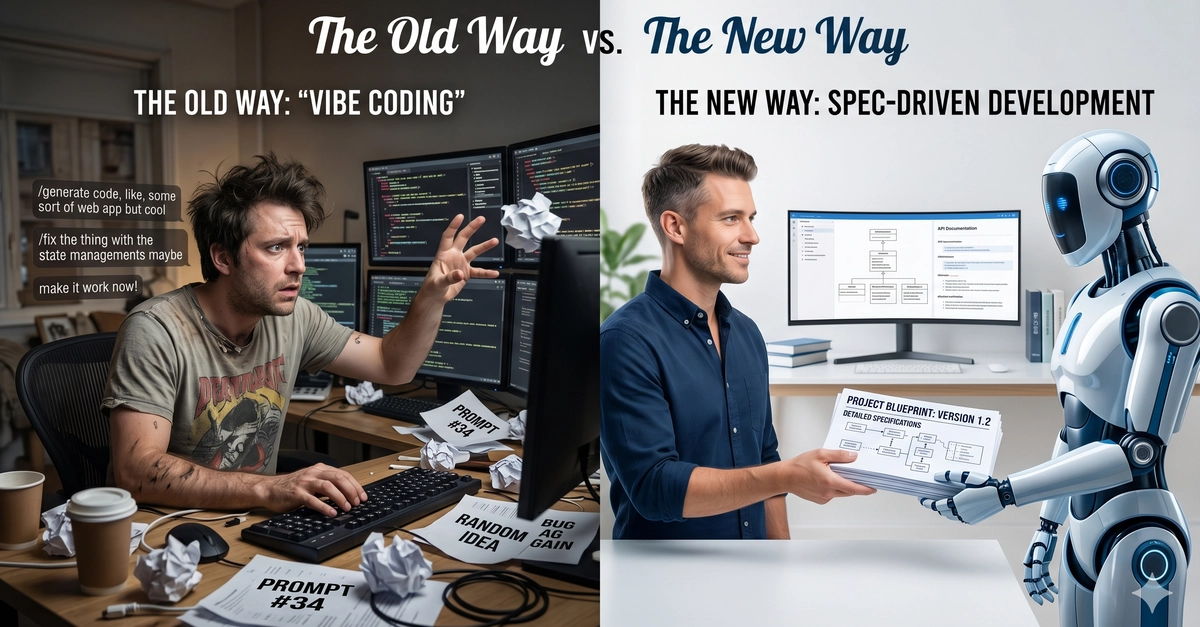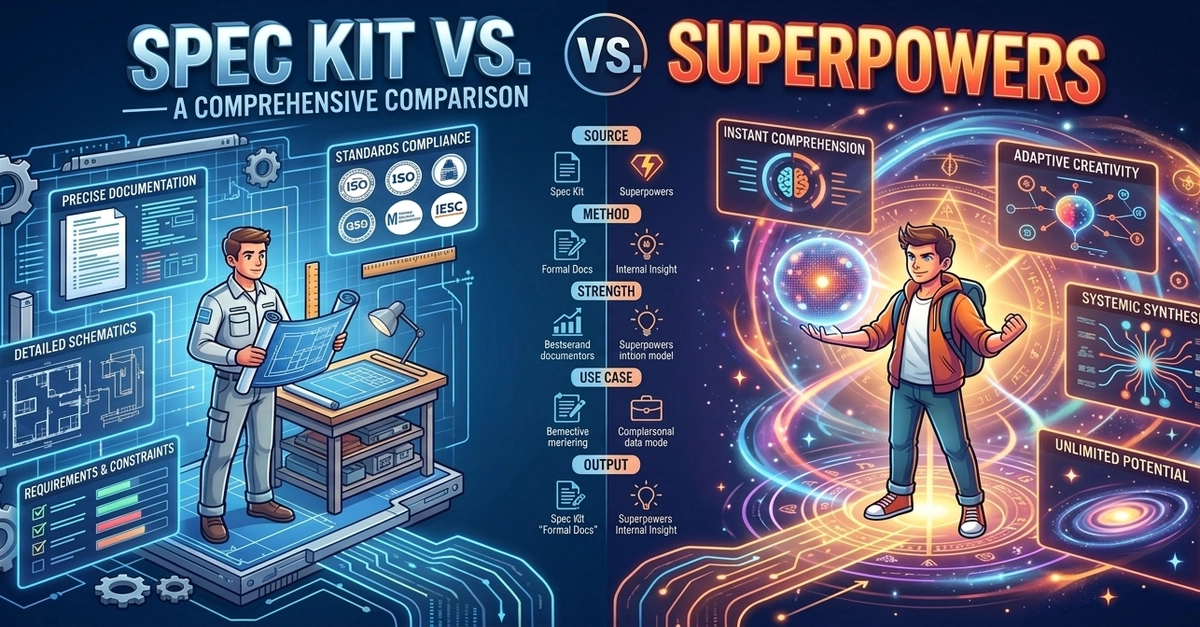
If you have spent time using AI coding agents — GitHub Copilot, Claude Code, Gemini CLI — you have probably run into this situation: you describe what you want, the agent generates a block of code that looks correct, compiles, and then subtly misses the actual intent. This “vibe-coding” approach can work for quick prototypes but becomes less reliable when building mission-critical applications or working with existing codebases. The issue, as GitHub frames it, is not the coding agent’s ability — it is the approach. Developers have been treating coding agents like search engines, when they should be treated more like literal-minded pair programmers who excel at pattern recognition but still need unambiguous instructions.
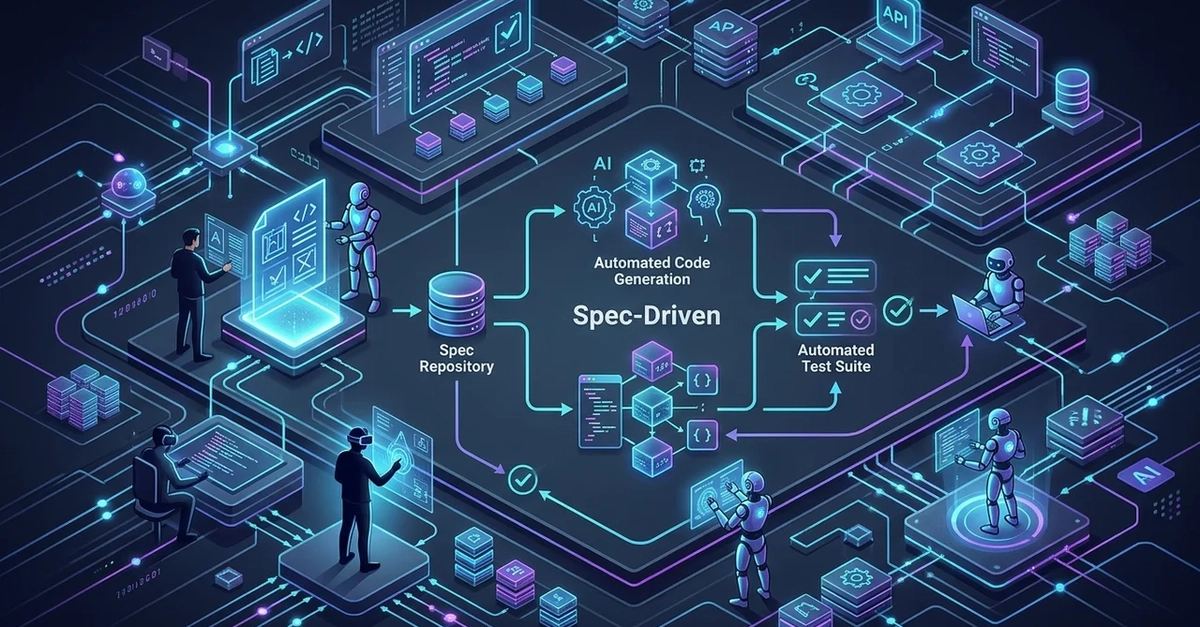
To address this, GitHub has open sourced Spec-Kit — a toolkit designed to bring Spec-Driven Development (SDD) to AI coding workflows. The project currently has 90k+ stars and 8k+ forks on GitHub, and has become one of the faster-growing developer tooling repositories in recent memory.
Spec-Driven Development inverts the traditional power structure of software development. Specifications do not serve code — code serves specifications. The Product Requirements Document (PRD) is not a guide for implementation; it is the source that generates implementation.