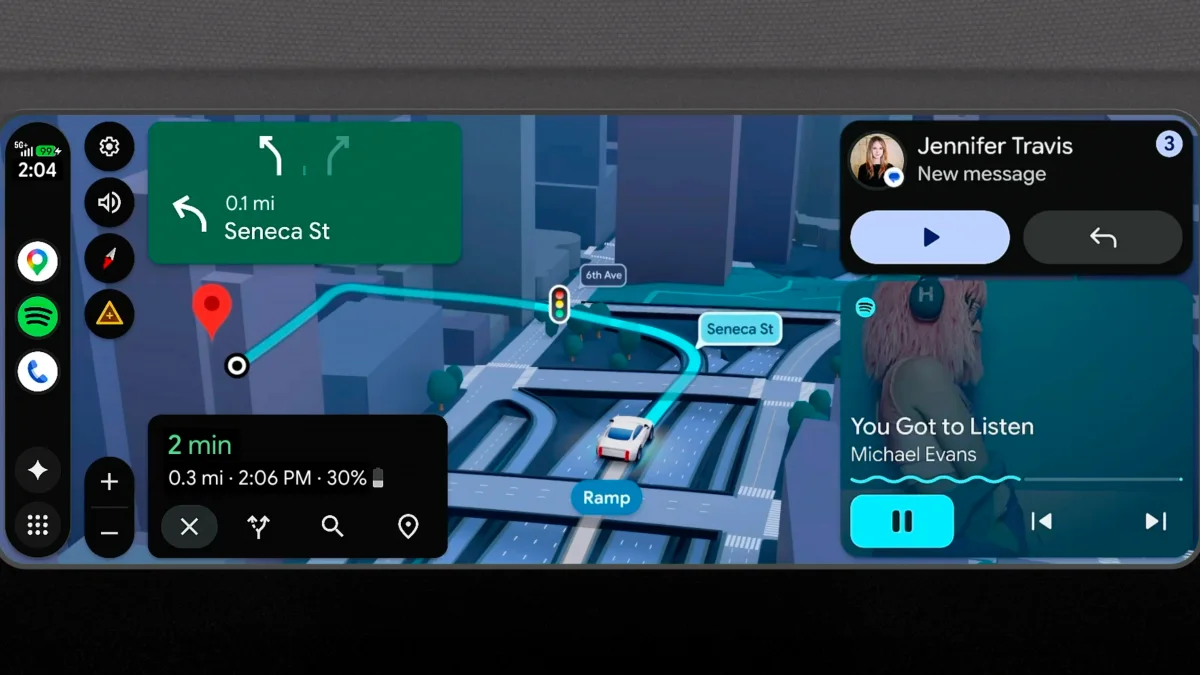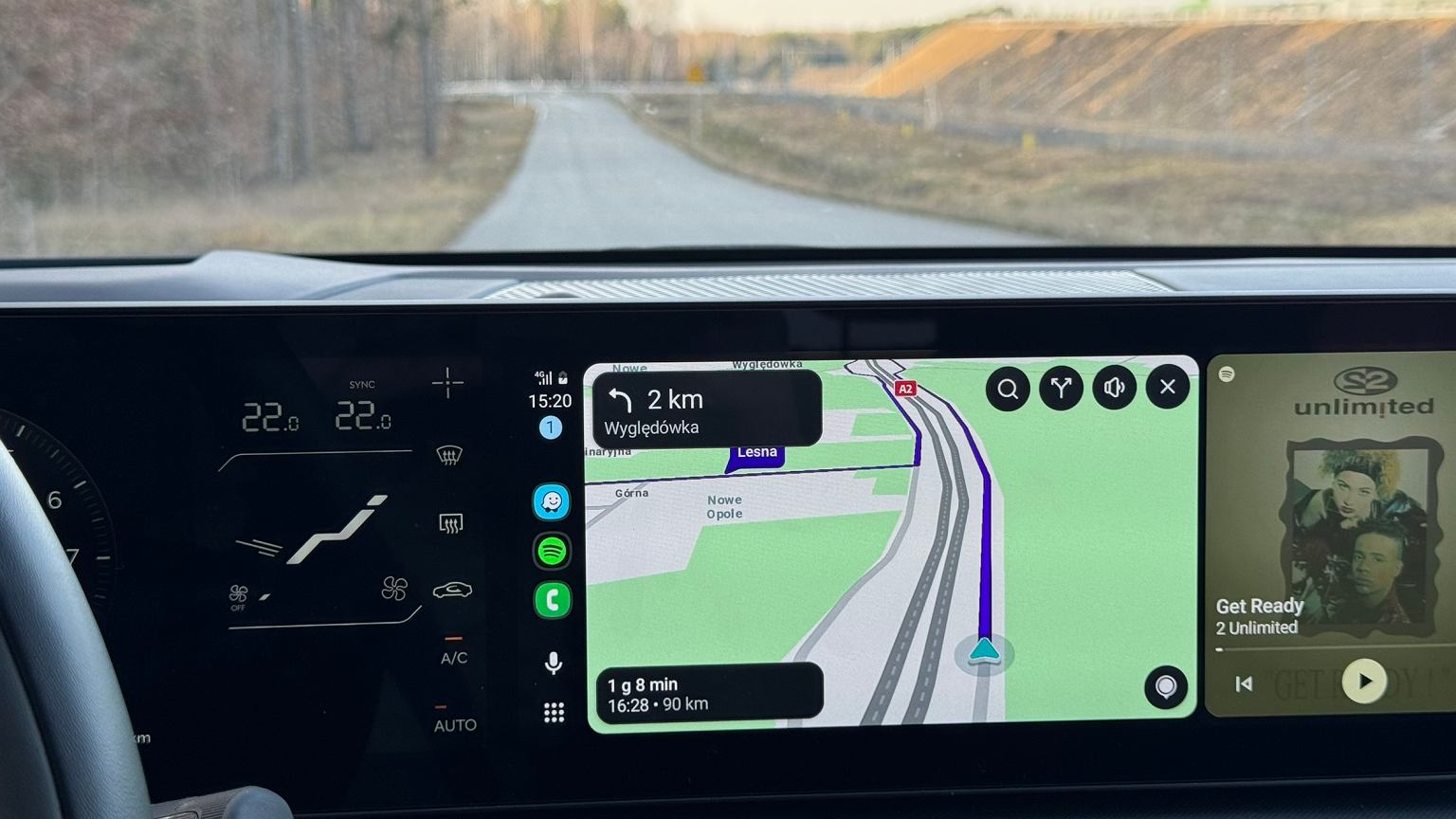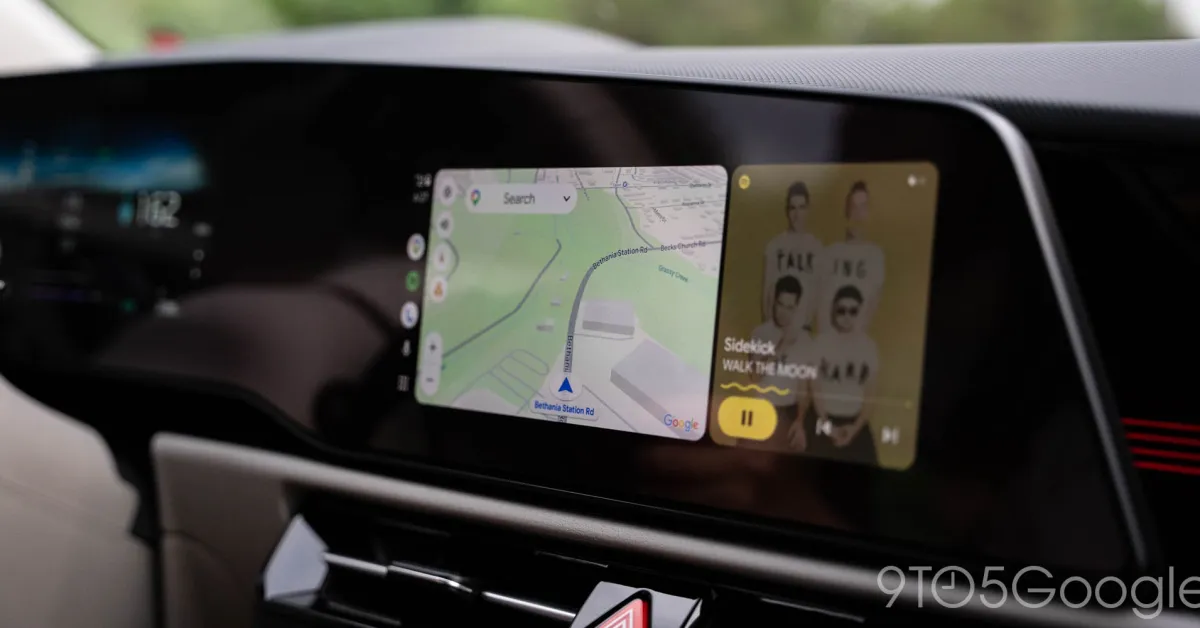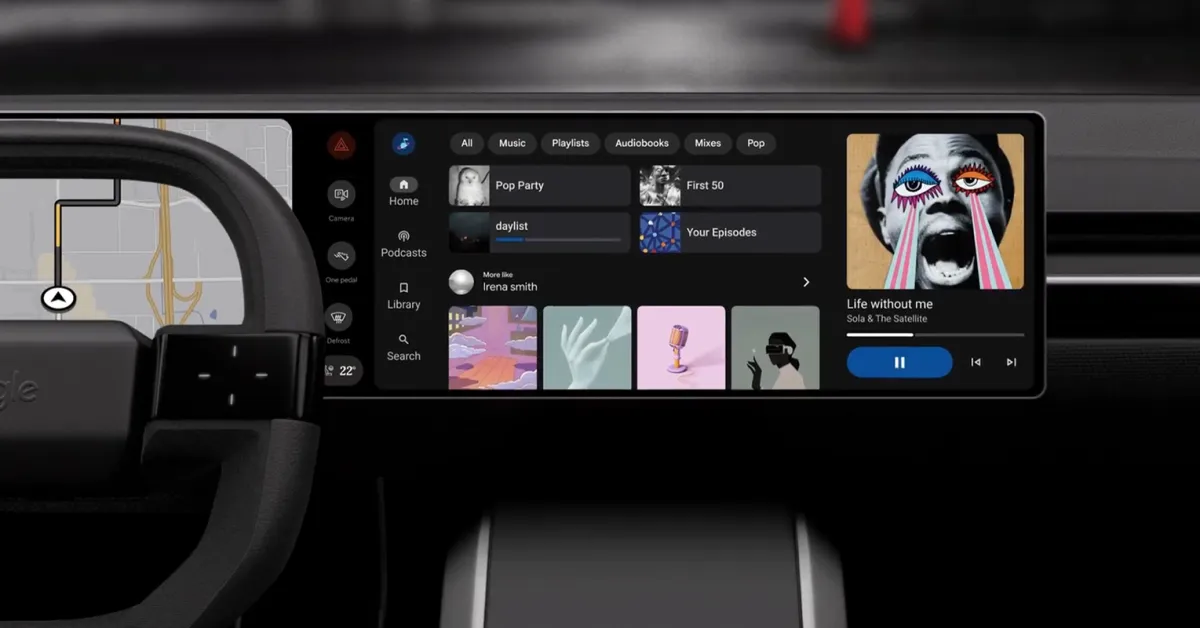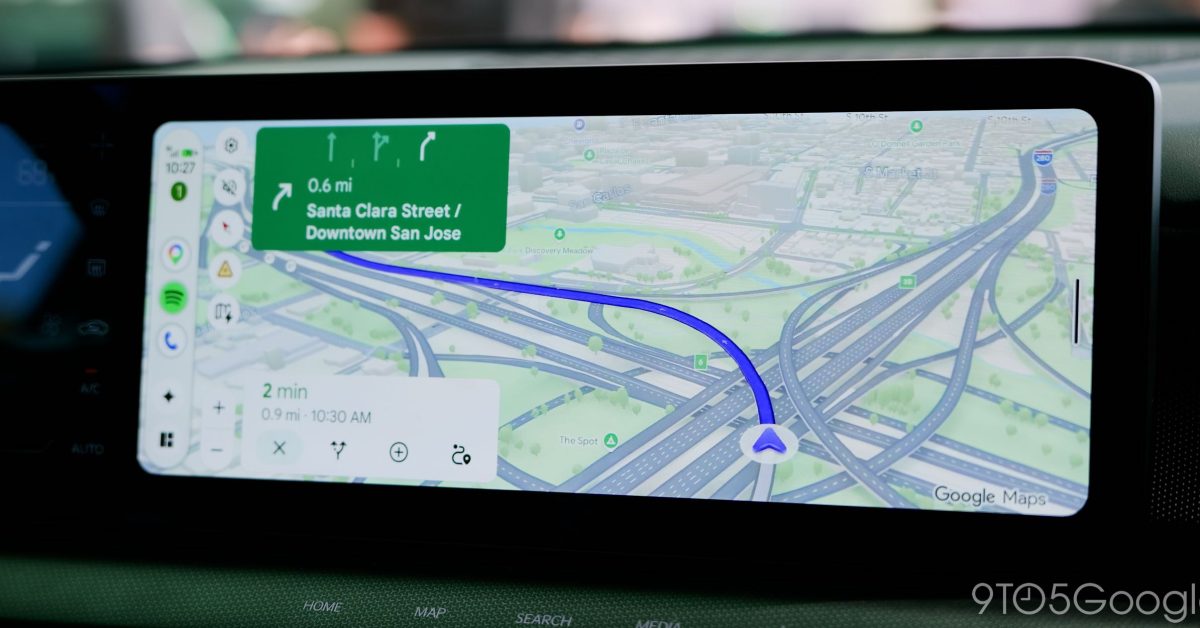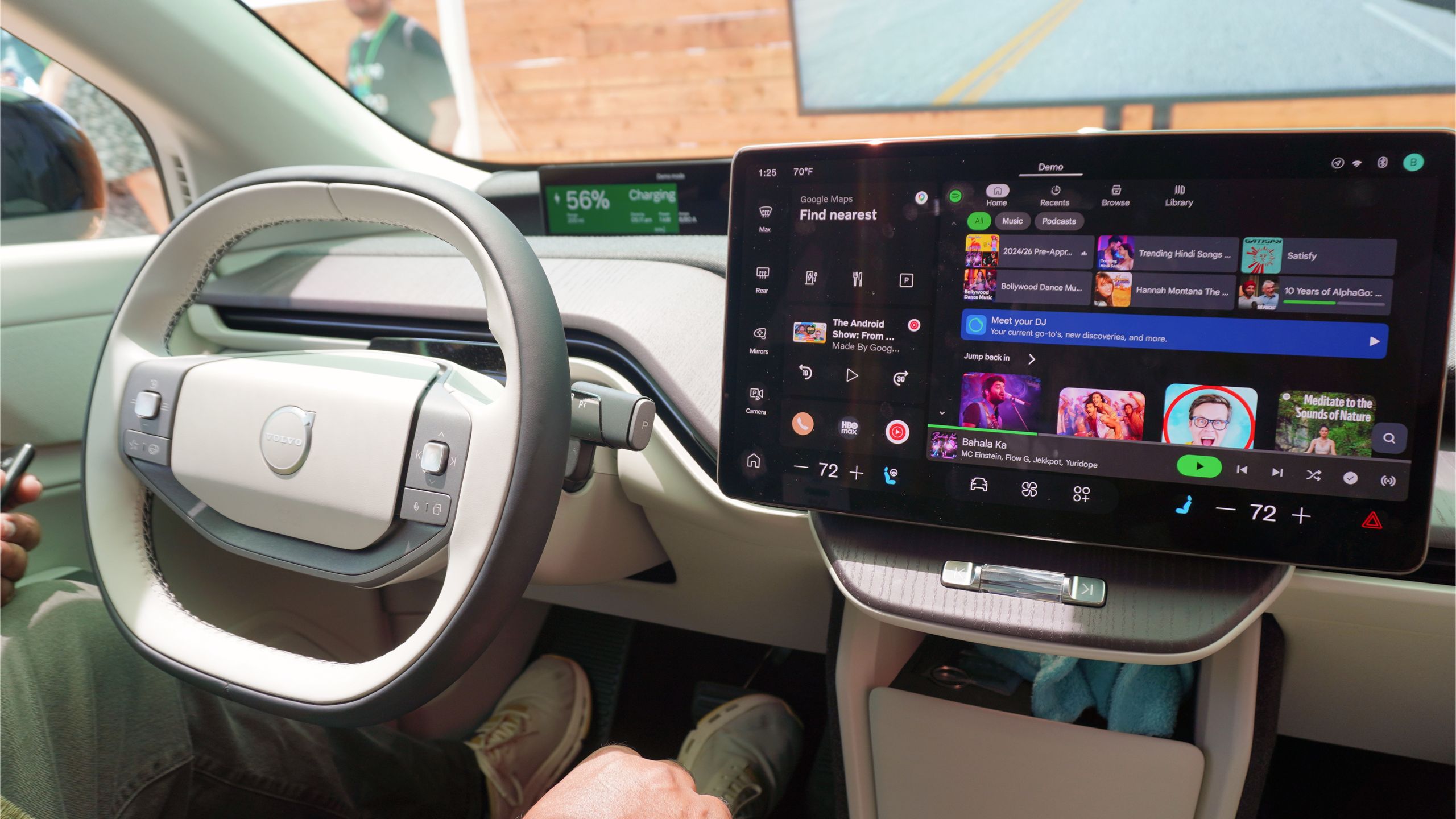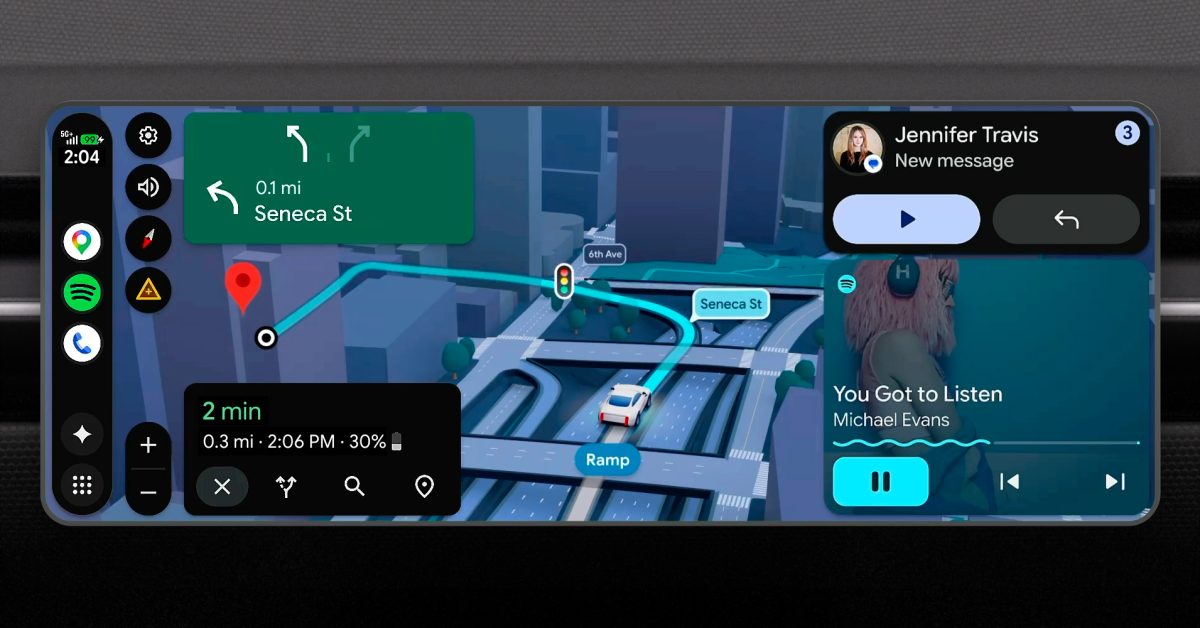
Google has announced an incoming redesign for Android Auto that, while not a major leap forward, improves support for car displays, brings in a bit of Material 3 Expressive, and supports widgets.
The latest Android Auto redesign is made up of three primary changes.
Firstly, there’s a dash of Material 3 Expressive. You’ll see the fonts from your phone as well as your wallpaper on the car’s display, as well as smoother animations. Beyond that, there are other visual changes. The app row is no longer a distinct part of the side of the display, but rather a floating bar that appears on the side or bottom based on the shape and size of the display. The whole UI also now sits on top of the Google Maps interface, with dashboard elements (message notifications, music controls, etc) appearing on top of the map. Even the app drawer now slides into place instead of taking over the entire display.
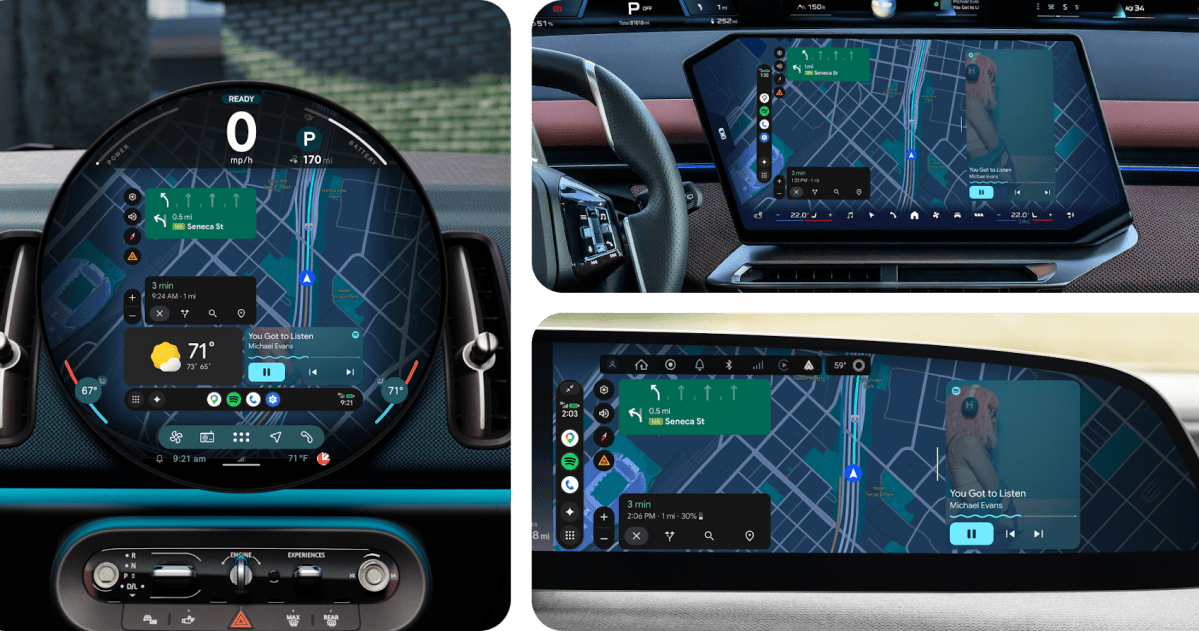
Building on that, Android Auto is now designed to take over your full display, rather than being confined to a box. It does that using the expanded Google Maps background, which will bleed into the rest of the display, assuming your car allows it.
Google shows this in action on dashboards from Mini Cooper, BMW, and Lucid – there’s no word on what cars will actually support this, but a lot of vehicles force Android Auto into a much smaller box than the full display technically allows for.