by Mike Wheatley
Amazon Web Services Inc. is trying to get rid of the bottleneck between architectural planning and code execution with a number of upgrades to its artificial intelligence software development tool Kiro.
The upgrades, which are all rolling out today, include Parallel Task Execution and streamlined Quick Plan workflow capabilities designed to help developers move faster. They’re joined by a new Requirements Analysis engine designed to catch issues with the code before a single line is written.
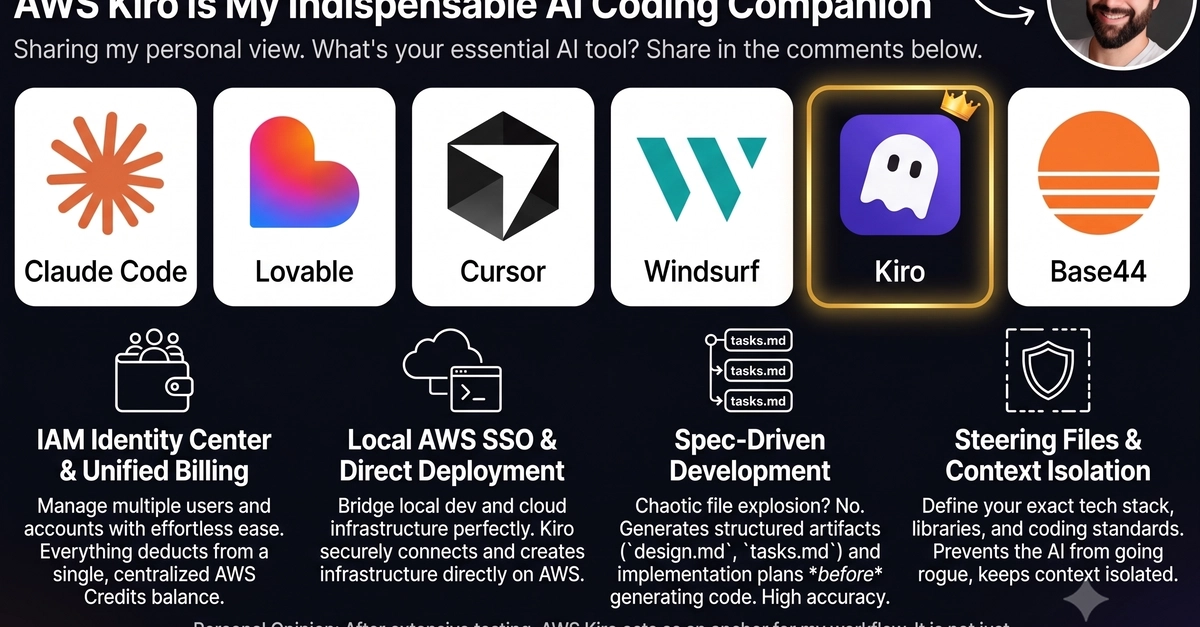
In a blog post, AWS Product Manager Ankit Sharma and Principal Engineer Richard Threlkeld explained that Kiro is focused on “spec-driven development” that’s designed to deliver higher-quality code implementations. However, it’s a cautious approach that sacrifices something that many organizations prioritize – developer velocity.
For instance, if Kiro is fed a feature specification with 10 tasks and six of them are all independent of one another, with different endpoints, files and no shared state, it will complete them sequentially, one after another, rather than doing them all at once. Moreover, for projects where the user already knows the scope and constraints, Kiro’s step-by-step approval flow is probably overkill. But on the flip side, there are cases where a deceptively simple feature prompt “may include many unstated assumptions and ambiguities that can take the implementation in the wrong direction.”