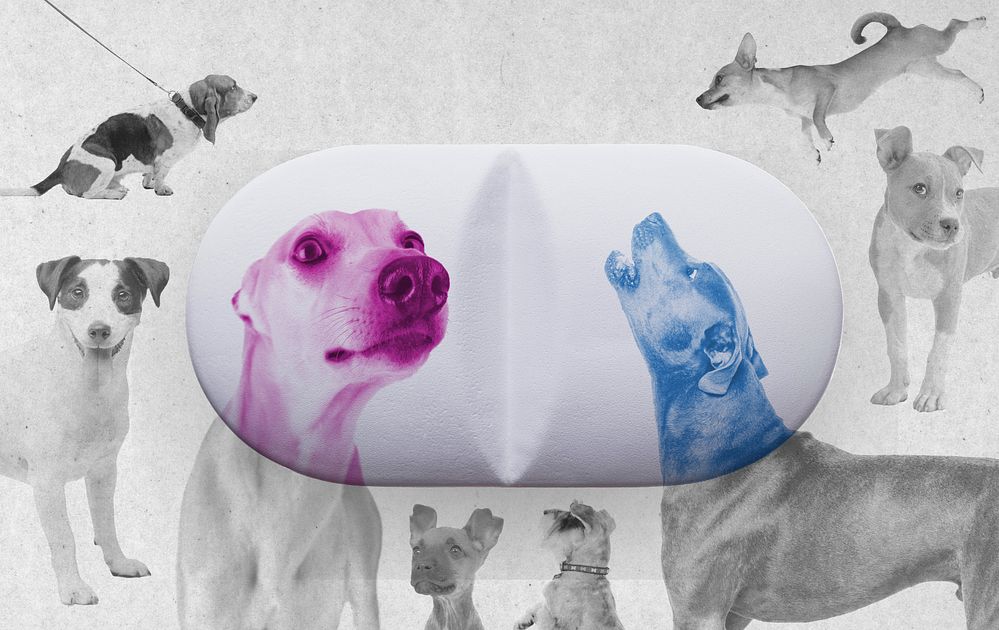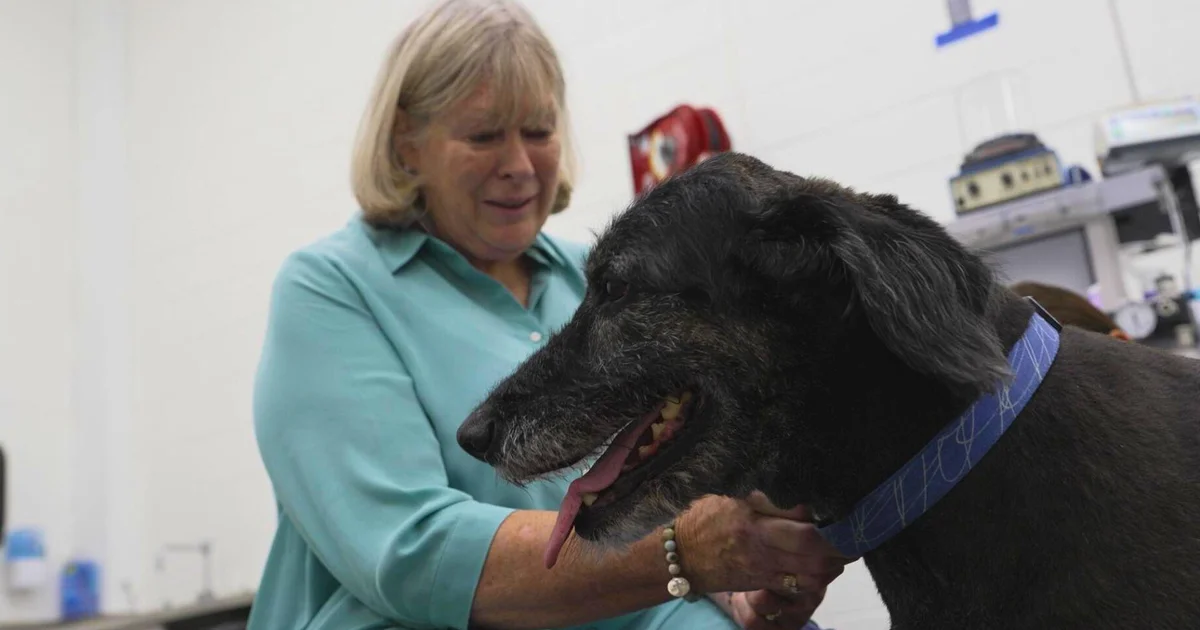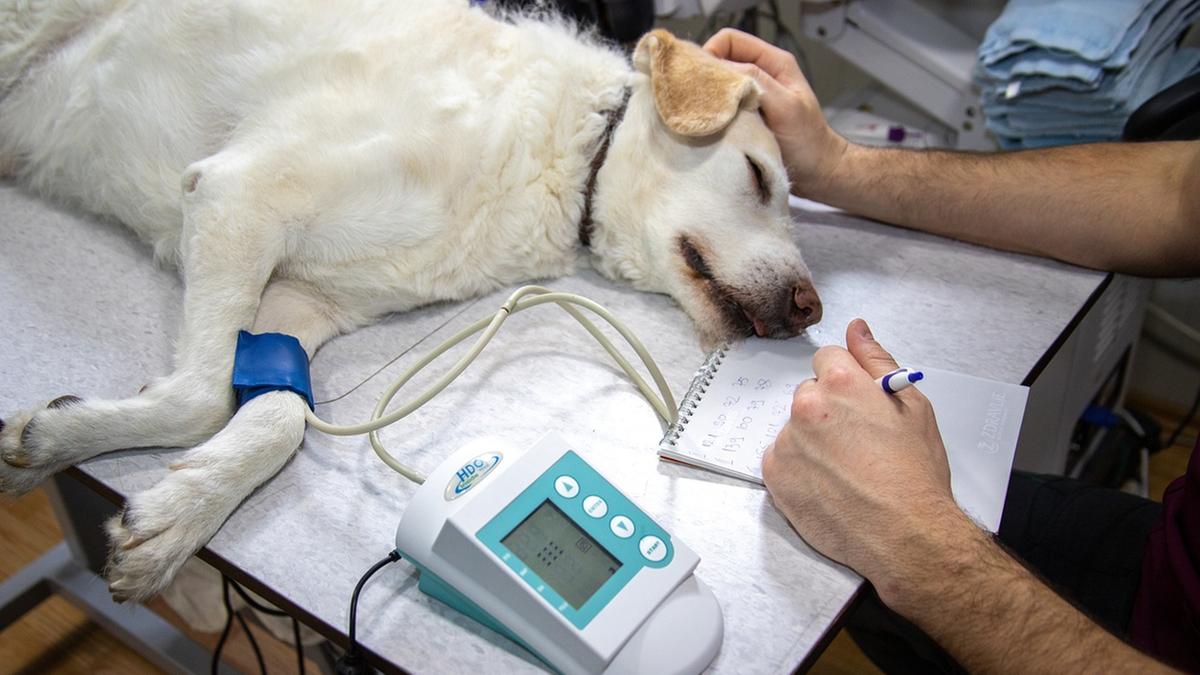
What if dogs could live longer and healthier lives? Loyal’s Celine Halioua has raised $135 million from top investors to develop canine longevity pills—and expects to get her first conditional approval from the FDA next year.Dogs don’t live long enough. The family Lab might make it to 14; bigger beasts like Bernese mountain dogs are lucky to see 9. Celine Halioua thinks they deserve a few more years. A scientist, Oxford Ph.D. dropout and former chief of staff at the first venture capital fund focused on longevity-related biotechs, she has spent the last nearly six years building Loyal, a San Francisco startup developing drugs to delay canine aging by targeting metabolic and hormonal imbalances before they become disease. The company’s first beef-flavored longevity pill could hit the market by 2026, potentially extending dogs’ lives—and perhaps someday ours as well.“I realized that to do this in humans would take billions of dollars, patent issues and trauma, but you could do it in dogs,” says Halioua, 30, whose own dog, Della, is a senior Rottweiler mix that she adopted three years ago. Loyal doesn’t have any revenue yet, but Halioua is in conversations with the FDA and has cleared early hurdles. Under the agency’s conditional approval program for innovative veterinary drugs, Halioua hopes to get the okay to be on the market with its first drug, which changes the metabolism of senior dogs (ages 10 and up) to mimic a low-calorie diet, which has been shown to extend their lives, next year. Loyal also has both a shot and a pill in the works to lengthen large dogs’ short lifespans by limiting a growth hormone more prevalent in big dogs than small.Ethan Pines for ForbesHalioua has raised $135 million in equity (and an additional $20 million in venture debt) from top investors that include Bain Capital, First Round, Khosla Ventures and Valor Equity Partners at a valuation of $425 million. The market is potentially enormous: There are nearly 90 million dogs across some 60 million households in the United States, according to the American Veterinary Medical Association. Last year those households spent an average of $1,852 on their pups, a 6% increase over 2023. Loyal’s drugs have the potential to quickly generate hundreds of millions in revenue, should they get the regulatory nod.That’s why Loyal made the cut for this year’s Next Billion-Dollar Startups list, Forbes’ annual showcase of the 25 companies we think most likely to reach a $1 billion valuation. While artificial intelligence dominates this year’s cohort, Loyal shows that not every successful early-stage startup has to be in AI. “There are some things that are too important to not try. Loyal would be among those—and it seems to have worked out fairly well,” says investor Vinod Khosla, whose firm has invested in at least 10 longevity-related startups and whose own dogs are Newfoundlands, a giant breed that can weigh up to 150 pounds.While Loyal’s initial market is dogs, it hopes that success there will someday open an even bigger one: people. But that’s a herculean task. Getting a longevity drug for dogs approved might cost $25 million and take five years. Creating one for humans and getting it approved would cost at least $1 billion and take well over a decade. Plus, the human longevity field is notorious for cranks, unproven supplements and fly-by-night clinics.“People think of longevity and they think snake oil or billionaires trying to live forever and the exaggerated claims. Loyal’s approach is much more nuanced,” Halioua says. Ultimately, she thinks the science will win out. “I think the general public will be blown away when they realize they can go to the vet and get a drug to extend their dogs’ lifespan,” she says. “Then they’ll be like, ‘Why can’t I do this for my grandma?’”Halioua, an alumna of the 2022 Forbes 30 Under 30 list in Science, grew up in Austin, Texas. Her mother, a Moroccan immigrant with a Ph.D. focused on nutrition, and her father, a German immigrant who worked as a carpenter, had settled there when it was known more for hippies than Teslas. She grew up with a menagerie that included more than 10 cats, multiple dogs and other rescue animals. “We would always have kittens and wild baby squirrels and opossums and turtles and birds with broken wings,” she says.At the University of Texas at Austin, she started as an art major but soon discovered that her true passion was science. Long hours in the lab and two summers working on neurological diseases at the Sanford Consortium for Regenerative Medicine in San Diego further refined her interest in preventive medicine and longevity.“It just didn’t make sense to me that we were waiting until these patients were diagnosed with an acutely terminal disease to then try to intervene and help them,” she says. “We don’t wait until our car’s engine is smoking on the highway to do maintenance on it. We do maintenance over time. Why aren’t we doing that with the human body?”“Everybody was like, ‘It’s not possible.’ I was like, ‘It’s possible.’ ”
Meet The Startup That Wants To Help Your Dog Live Longer With FDA-Approved Drugs.
What if dogs could live longer and healthier lives? Loyal’s Celine Halioua has raised $135 million from top investors to develop canine longevity pills—and expects to get her first conditional approval from the FDA next year.
1,803 words~8 min read