Chromebooks solved a real need 15 years ago. I’m not sure Google’s new Googlebook solves anything.
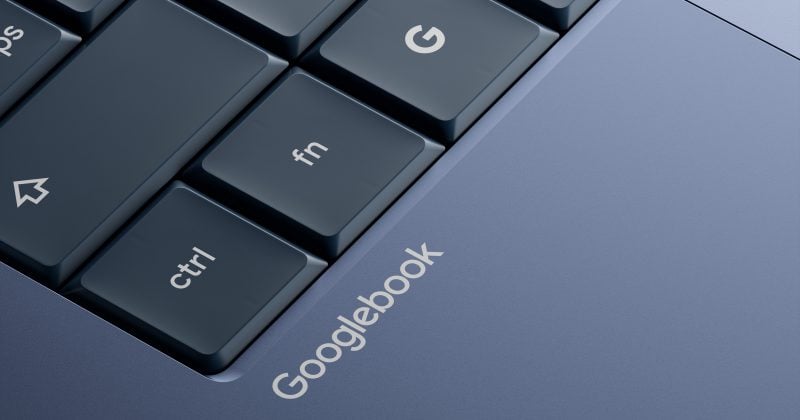
Google announced its new Googlebook laptop platform yesterday, and so far I’ve been left asking, “Why?” Why is Google blowing up its Chromebook and ChromeOS platform for this?
I’ve been excited by the prospect of Android and ChromeOS unifying under the long-rumored Aluminium OS. The theory was that Aluminium might unite Android and ChromeOS under one house, simultaneously turning Android phones into portable Chromebook desktops, fixing the mess that is Android tablets, and broadening the scope of actual Chromebook laptops.
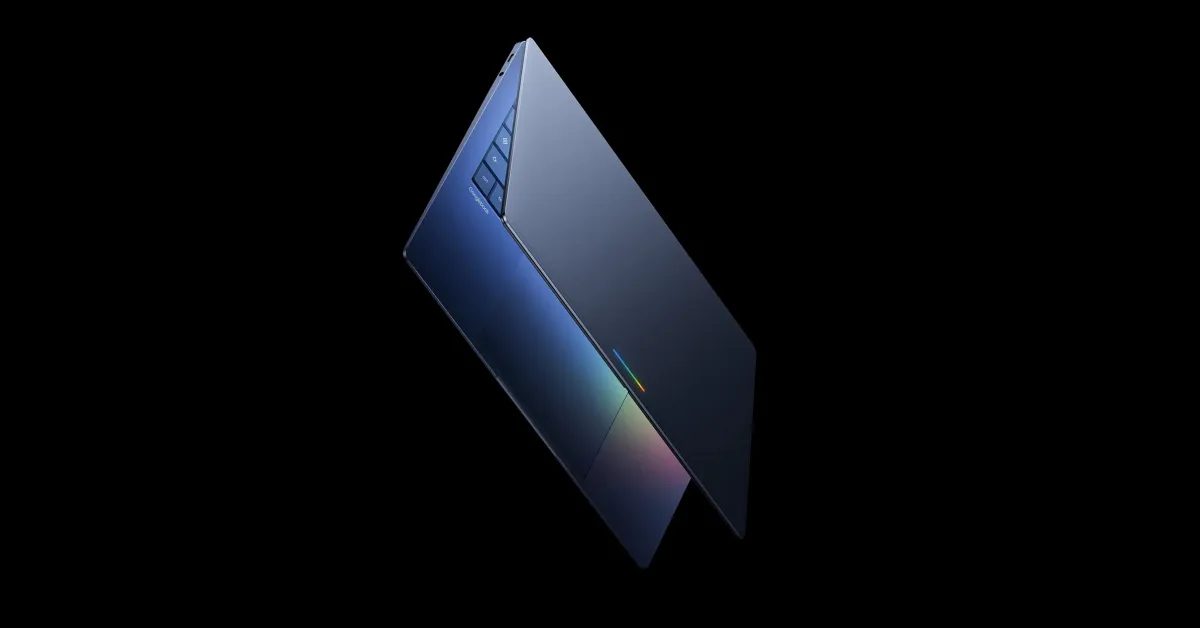
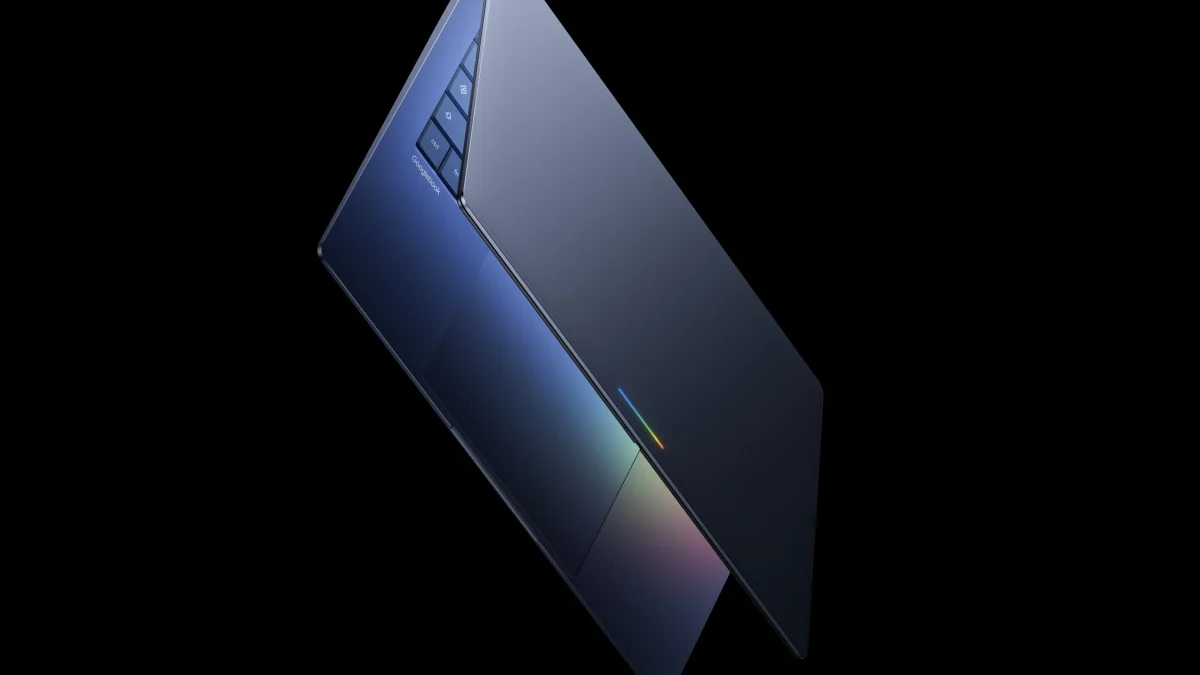
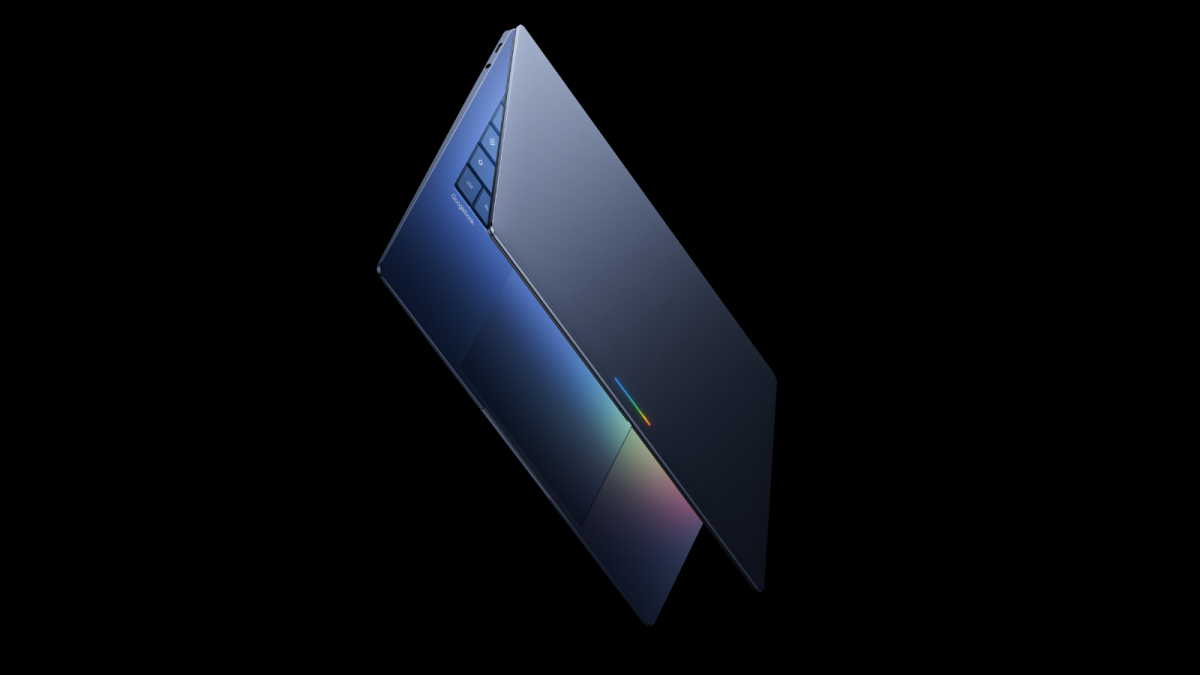
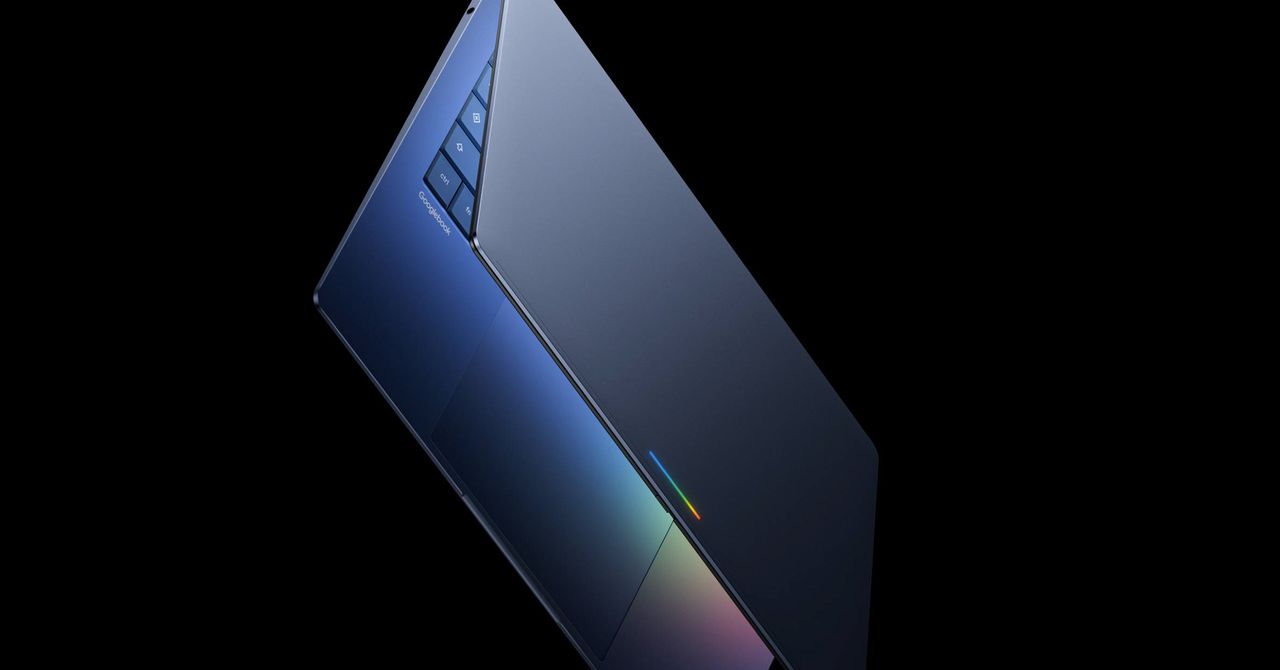
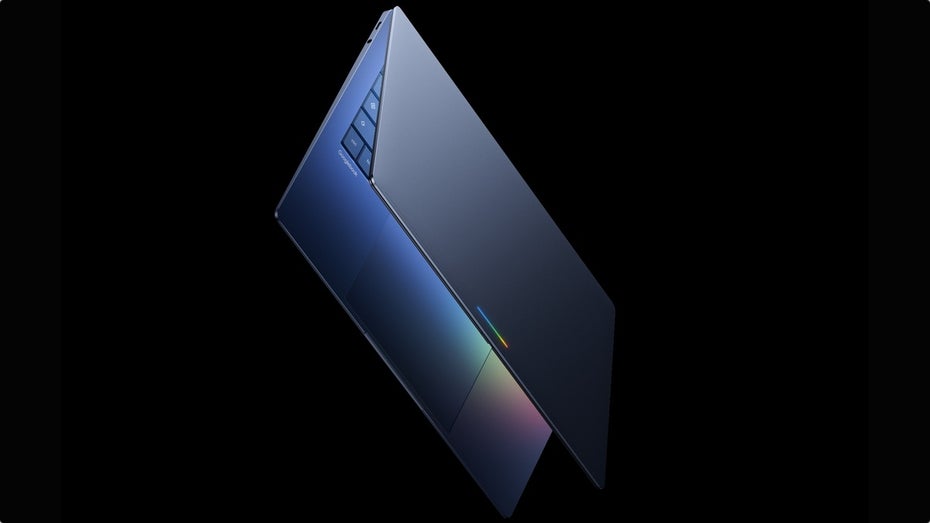
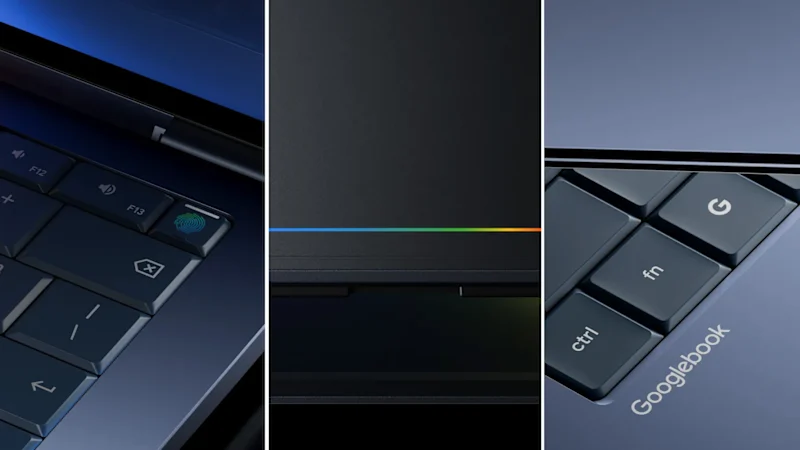
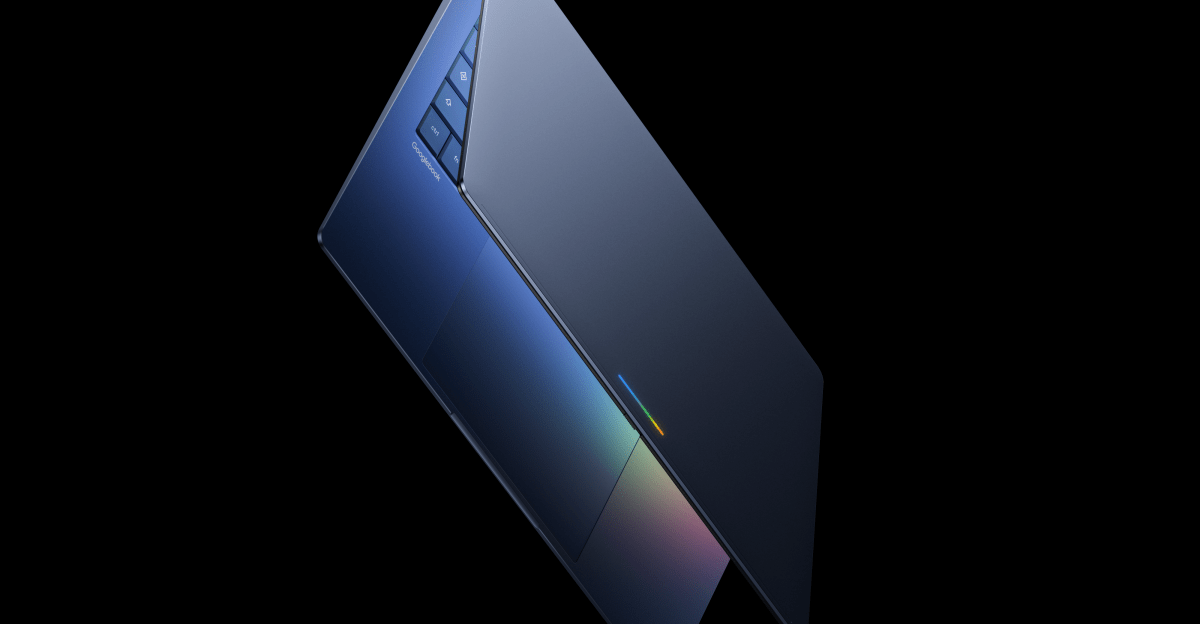
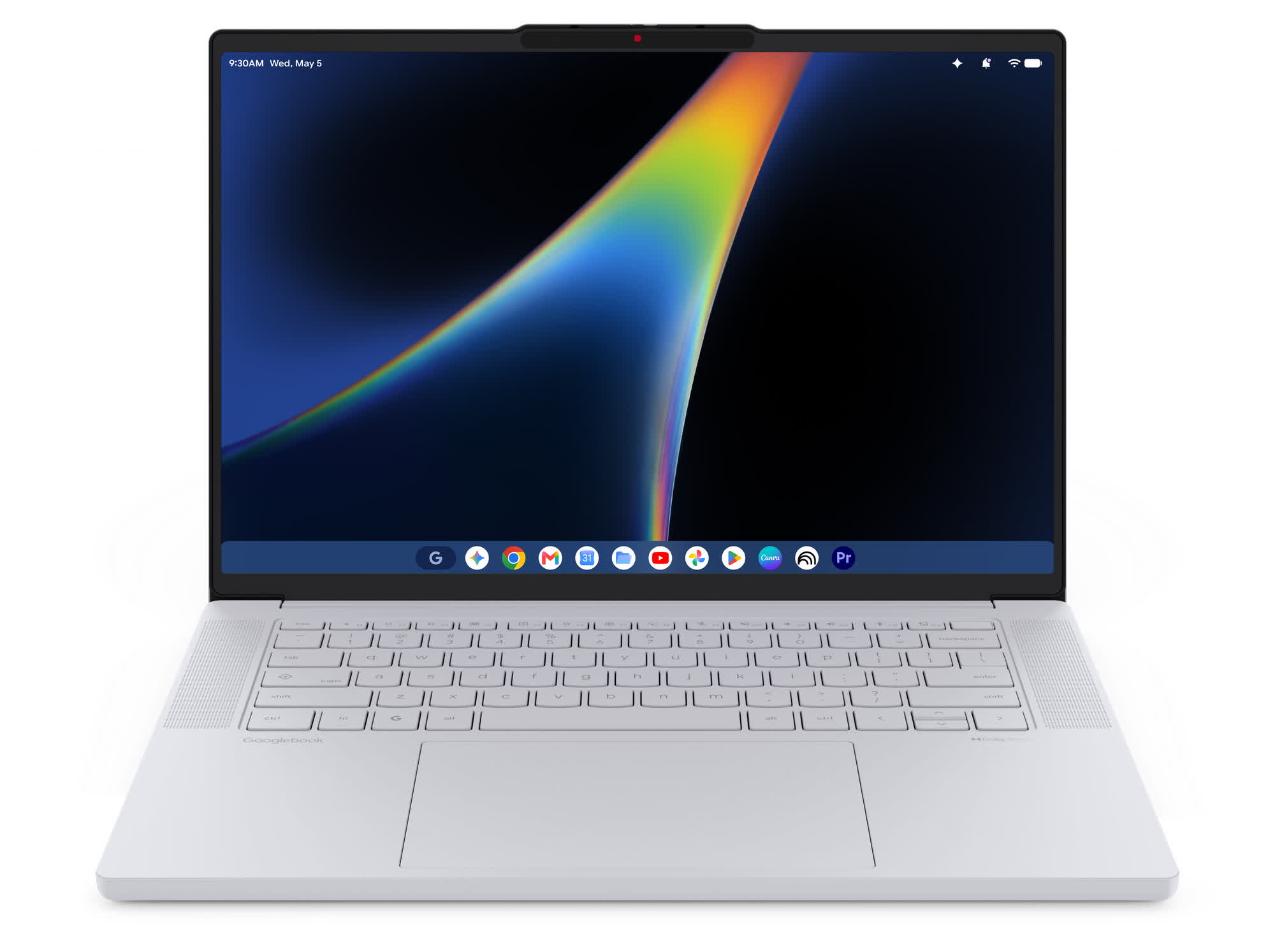
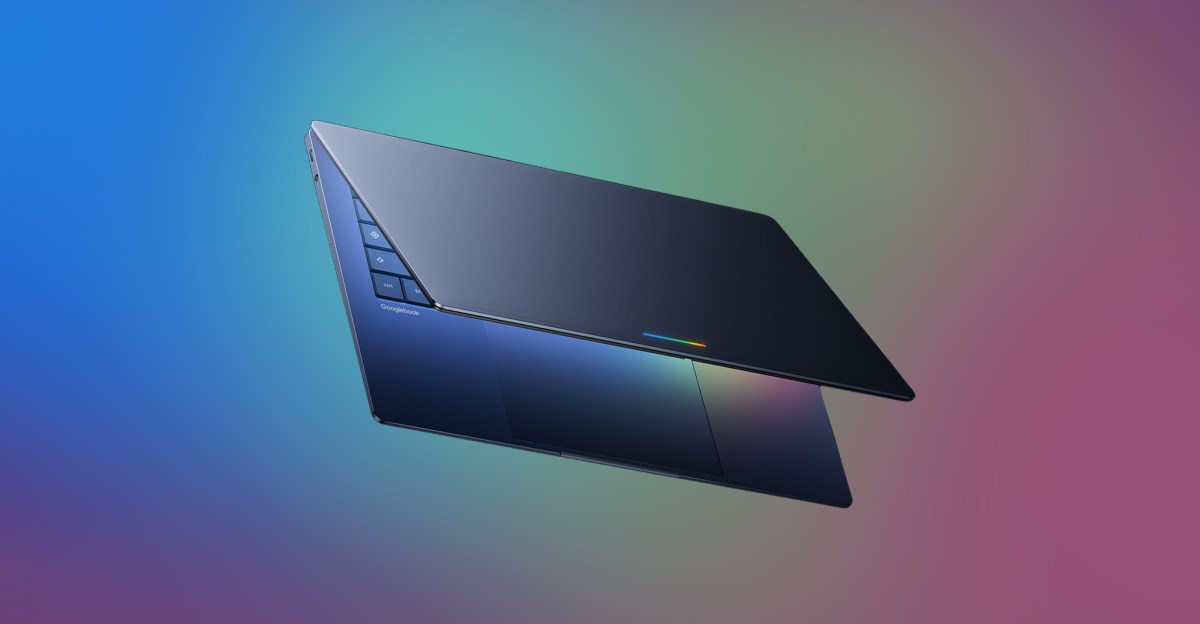
Instead, we’ve got the Googlebook; an awkwardly named line of laptops with no hardware details (aside from a glowing light bar and a separate acknowledgement from Intel) running an OS that barely looks different from ChromeOS. Google didn’t spend time telling us what or who Googlebooks are for. It just gave us some small feature highlights and an assurance that Gemini will be in your face — even in your cursor.
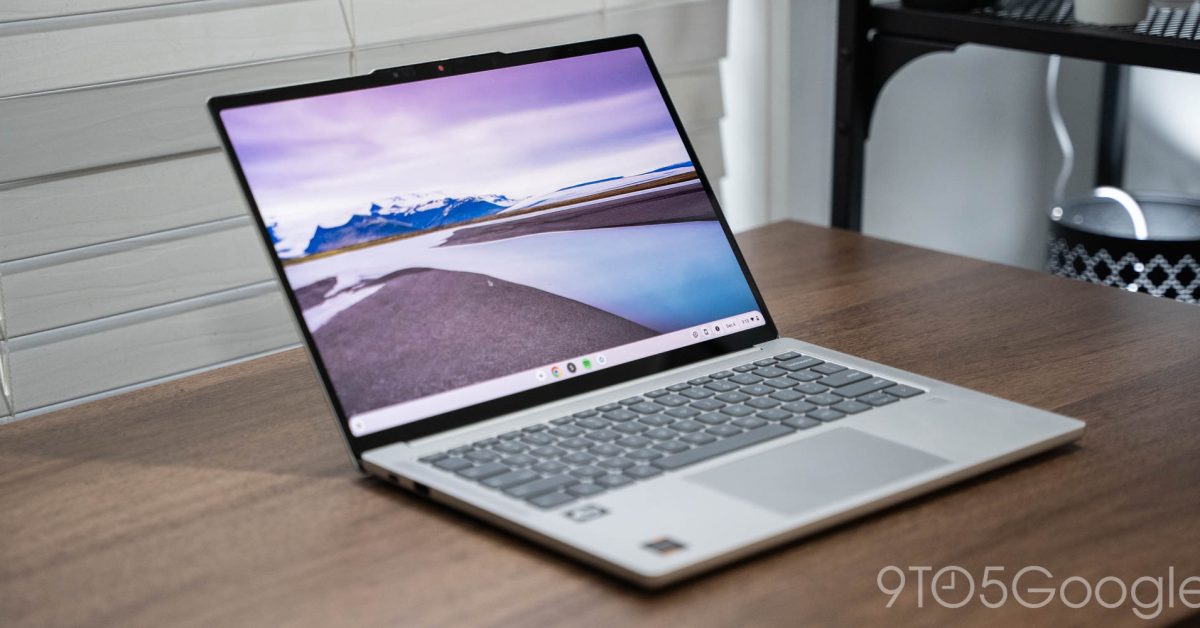
It looks like a workable desktop experience with Android apps, but a competent desktop experience isn’t a unique offering — even from Google. ChromeOS is serviceable, and it’s already had Android app compatibility for a decade. Those apps will surely run better on an Android-based OS, but Googlebooks are still scaling a mobile ecosystem up to a desktop environment. That’s a constraint its competitors running Windows and macOS don’t have to face.