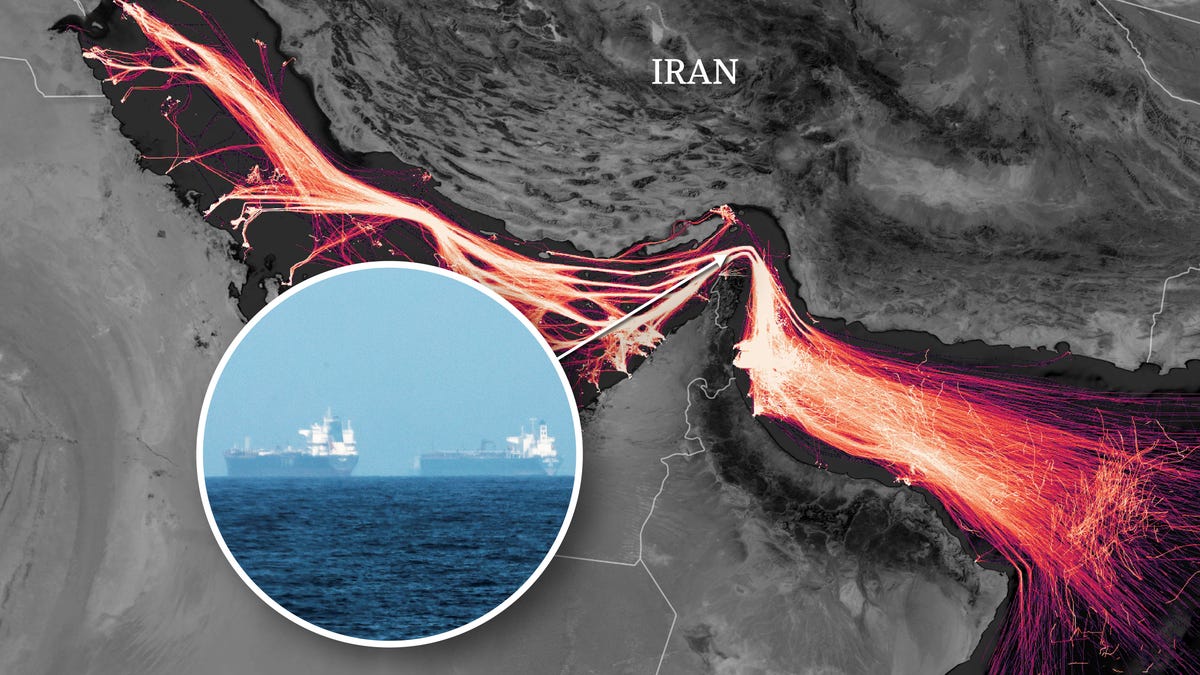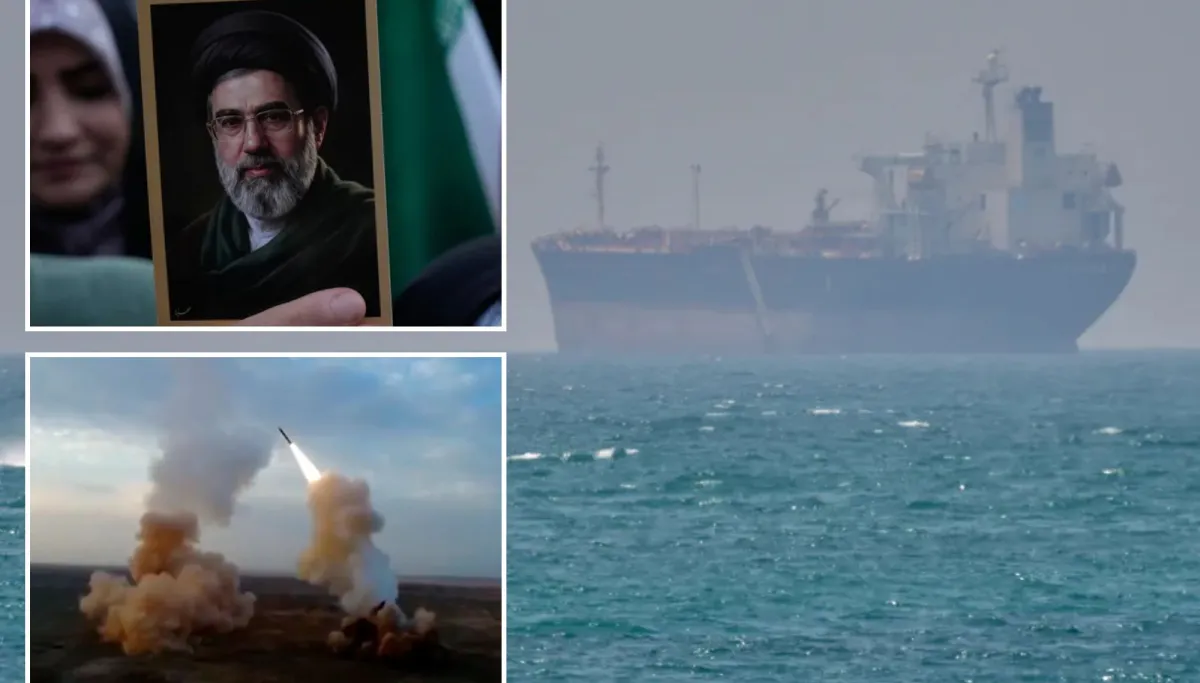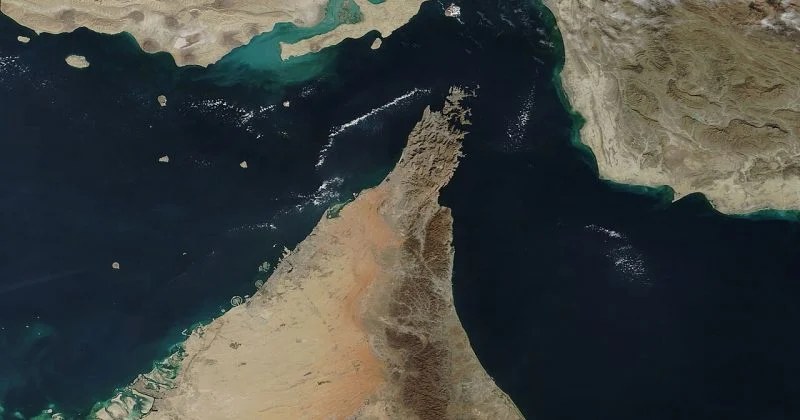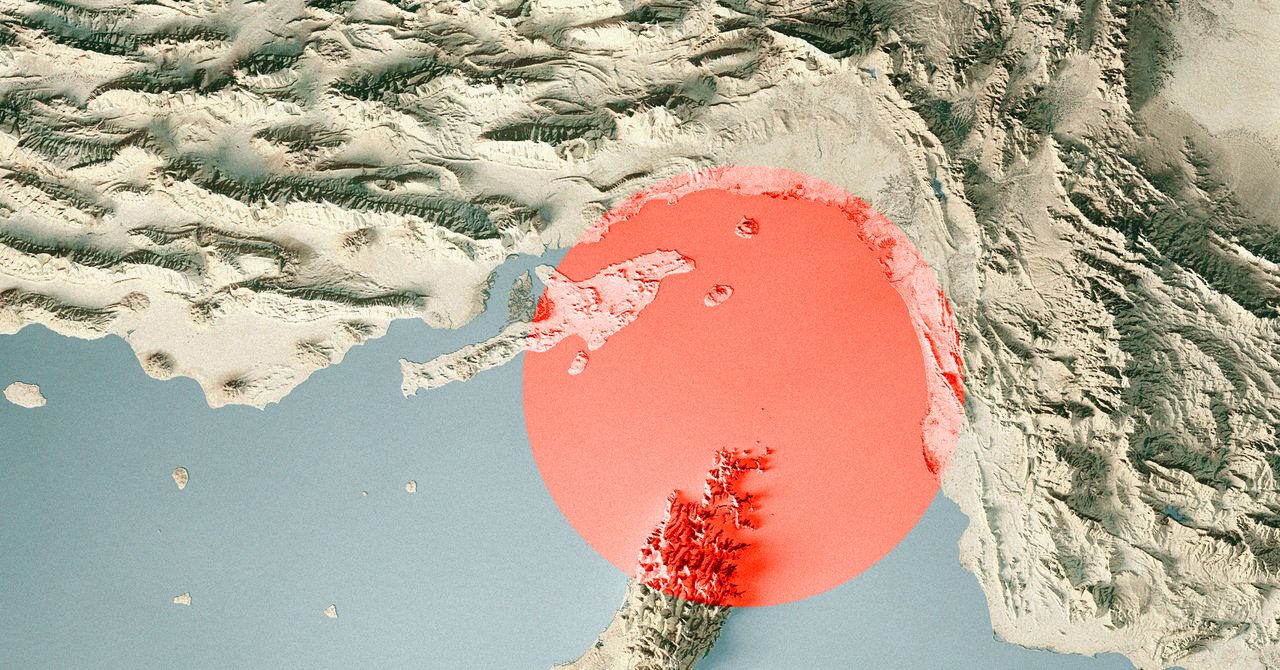
A DISRUPTION IN the Strait of Hormuz—the world’s most critical energy chokepoint—in the aftermath of US-Israeli attacks on Iran would not stay confined to the Gulf. Analysts say it could trigger a new inflation shock across the global economy, complicating monetary policy and putting pressure on the currencies of energy-importing countries.
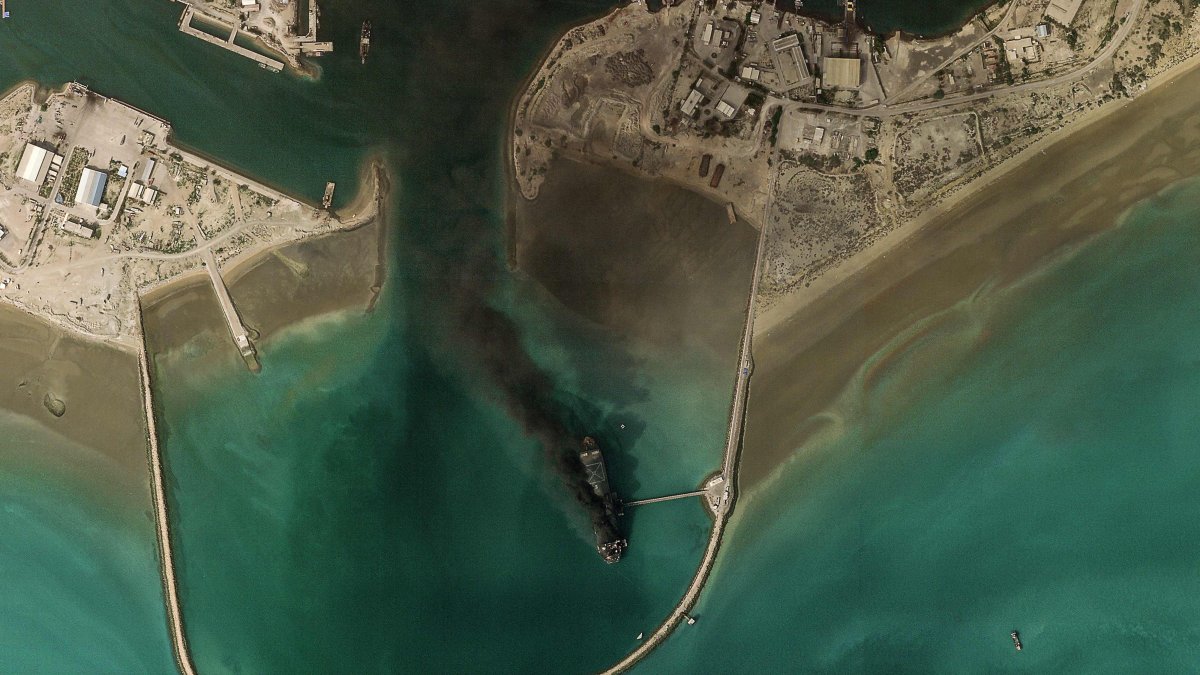
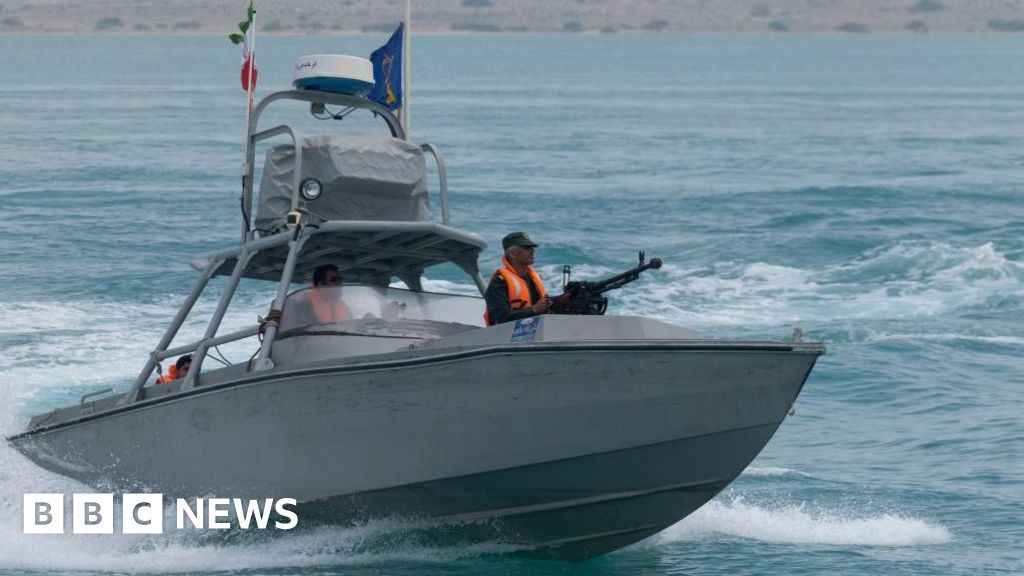
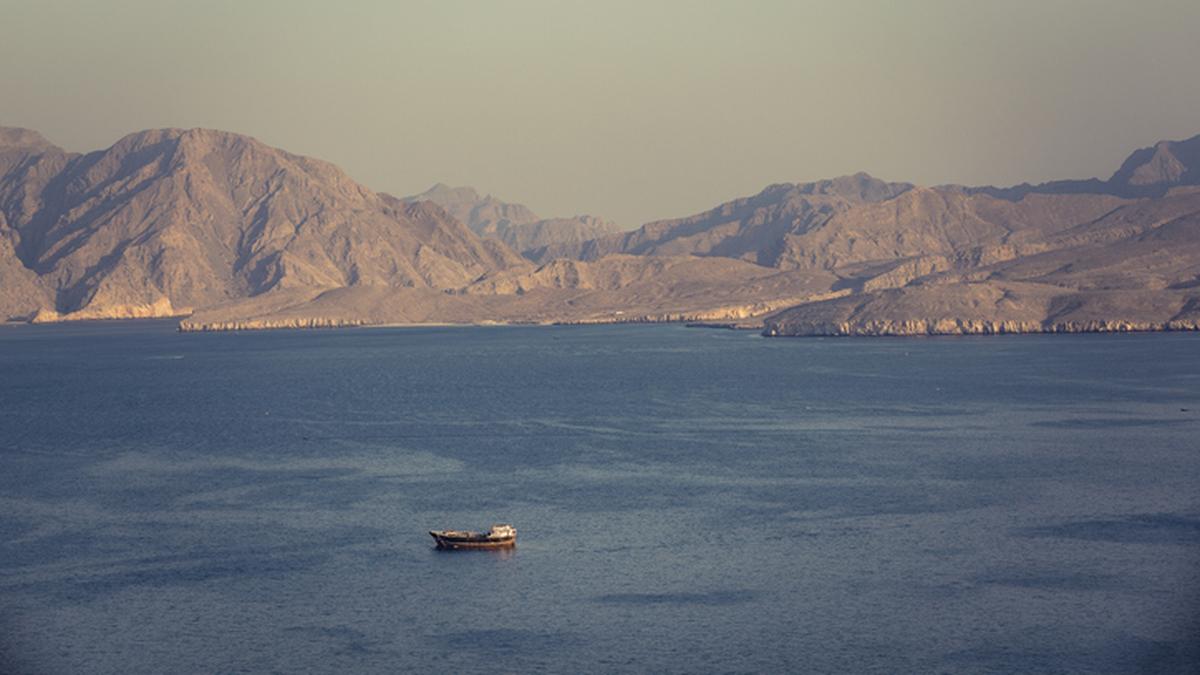
The semi-official Tasnim news agency reported that the “Strait of Hormuz is shut down” following the strikes on Iran in the early hours of February 28. Vessels operating near the strait have also reported VHF radio warnings from Iran’s Revolutionary Guards warning that “no ship is allowed to pass the Strait of Hormuz." On Sunday morning, authorities in Oman said that an oil tanker was attacked off the country's port of Khasab, which is in the Strait of Hormuz. It's unclear who conducted the strike.
Data from the US Energy Information Administration shows that about 20 million barrels of oil and petroleum products passed through the Strait of Hormuz each day in 2024—roughly one-fifth of global oil consumption.
Infographic showing map of the Gulf with refineries and liquefied natural gas terminals operational in February 2026, as well as maritime tanker traffic in the Gulf region.