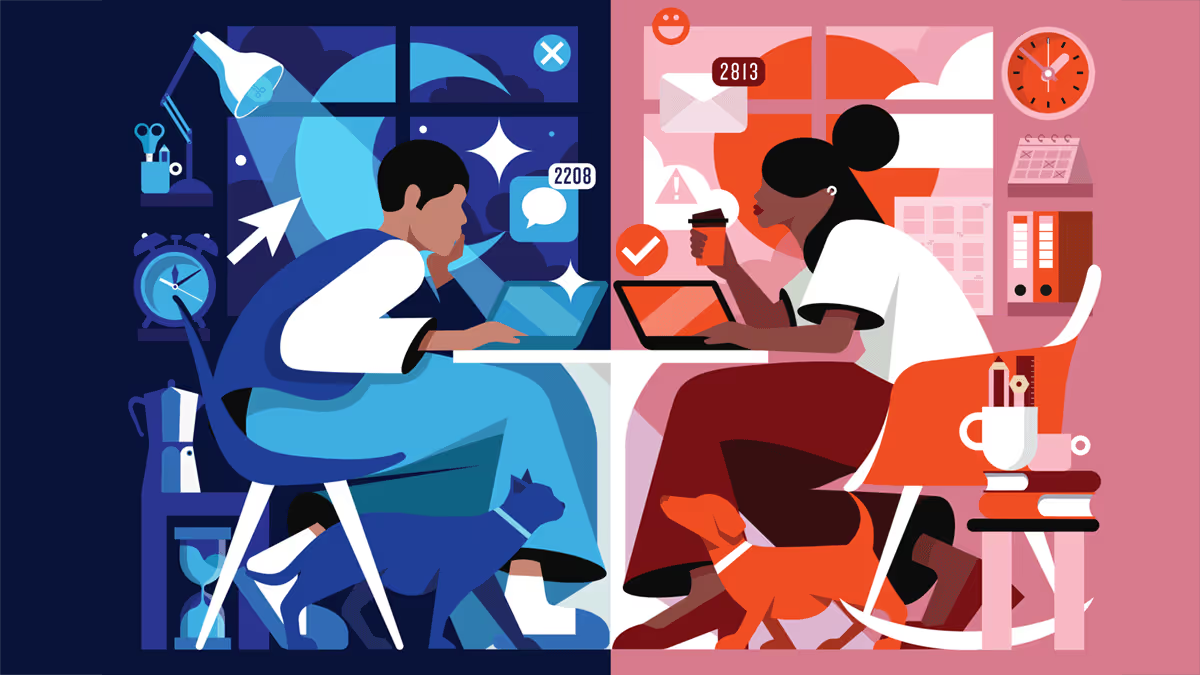
Harvard Business Review LogoEynon JonesWe all have internal clocks that govern fluctuations in our energy, focus, and emotions throughout the day. Maybe you’re a “lark,” a person who is most alert and capable in the morning, or perhaps you’re a “night owl,” whose best work happens after dark. Some people shine in the afternoon—what several sleep researchers recently dubbed the “vulnerable lark” or “intermediate finch.” Circadian rhythms are not habits or preferences that you can train yourself to change. They are biological dispositions that remain remarkably stable over time.A version of this article appeared in the May–June 2026 issue of Harvard Business Review.
Tapping into Your Team’s Circadian Rhythms
Although corporate culture has favored “morningness,” effective bosses recognize that people have different, hard-to-change circadian rhythms causing daily fluctuations in peak functioning. They must manage themselves and assign tasks accordingly. Strategic thinking, feedback, and emotionally demanding activities work best during high-energy periods. During low-energy periods leaders should delegate and adopt lower-intensity roles. For teams, schedule high-stakes collaboration during shared peaks and assign challenging tasks during individuals’ peaks and routine work during off-peaks. When peak alignment isn’t possible, prioritize recovery, flexibility, and rotation to prevent burnout and sustain performance.
103 words~1 min read