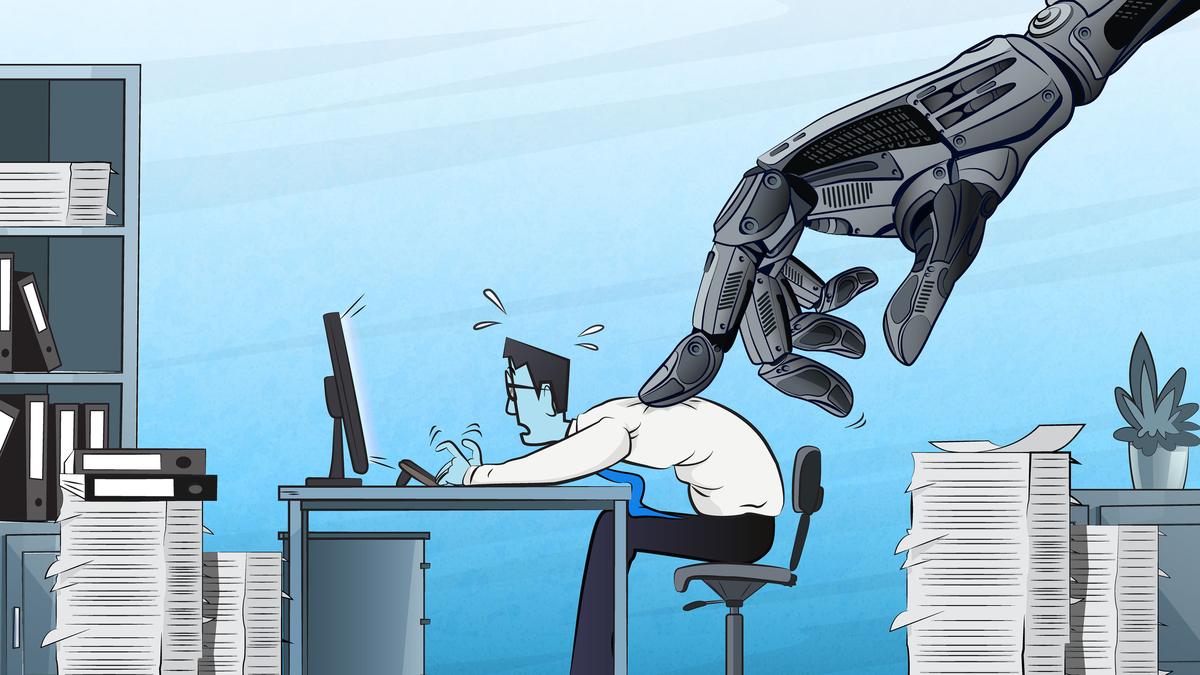
For decades, psychologists have had a reassuring message for people who felt behind, underqualified, or quietly fraudulent at work: you’re wrong. Your self-doubt is a distortion. The gap you feel isn’t real. We called it imposter syndrome, and the treatment was essentially a reality check — look at your credentials, your track record, your actual performance. The feeling lied.
With AI, the feeling stopped lying.
Imposter syndrome has always been a lie we tell ourselves. With AI, it finally became true — for everyone, at once.
That’s not a reason to despair. It’s a reason to stop using the wrong diagnosis.
Consider a mid-career analyst who’s taken every course on the list. Or a product manager who reads every newsletter, watches every demo, and still walks into meetings feeling like she missed the first 20 minutes.