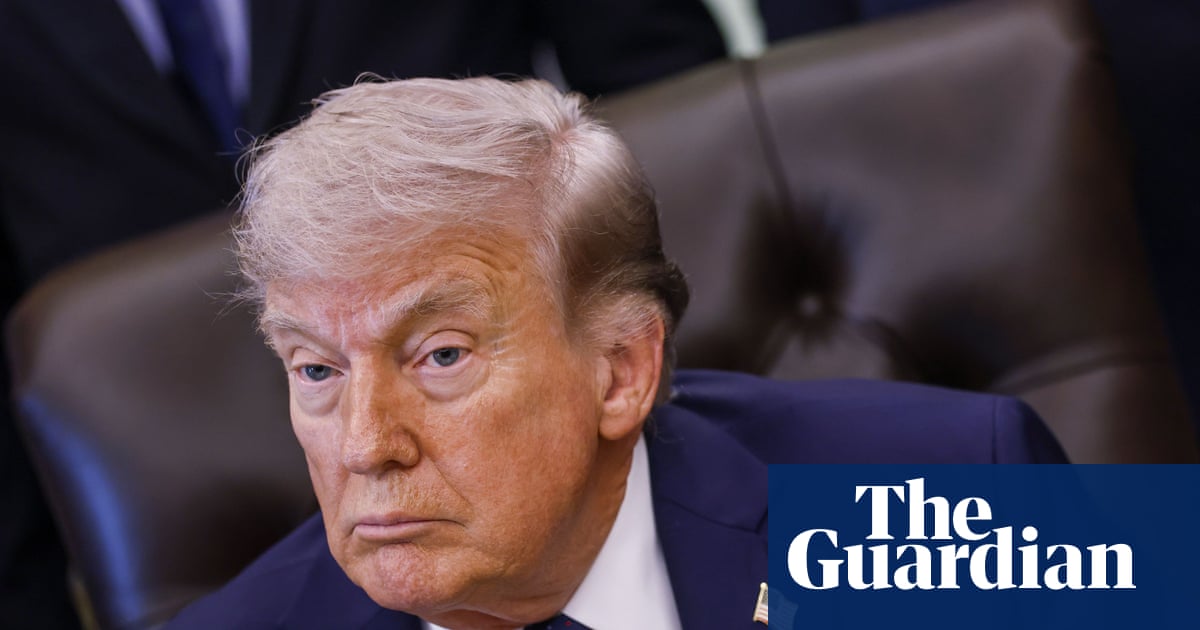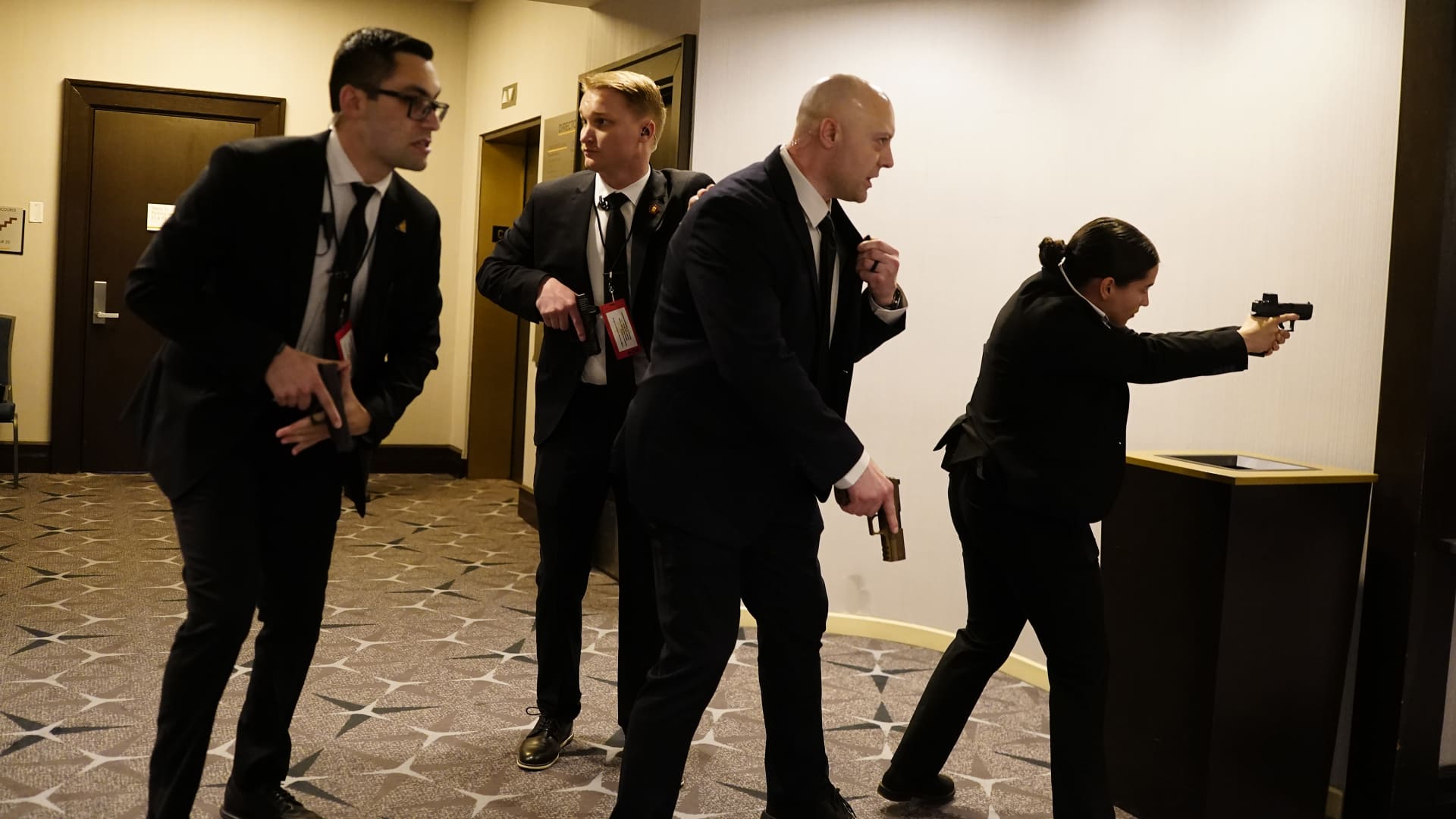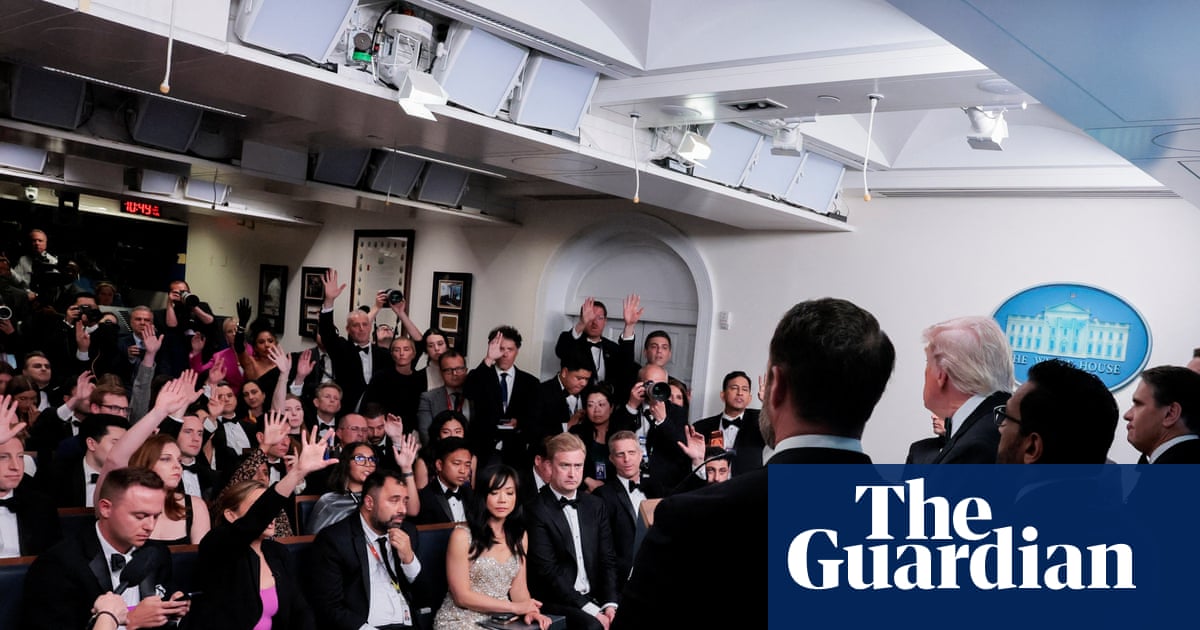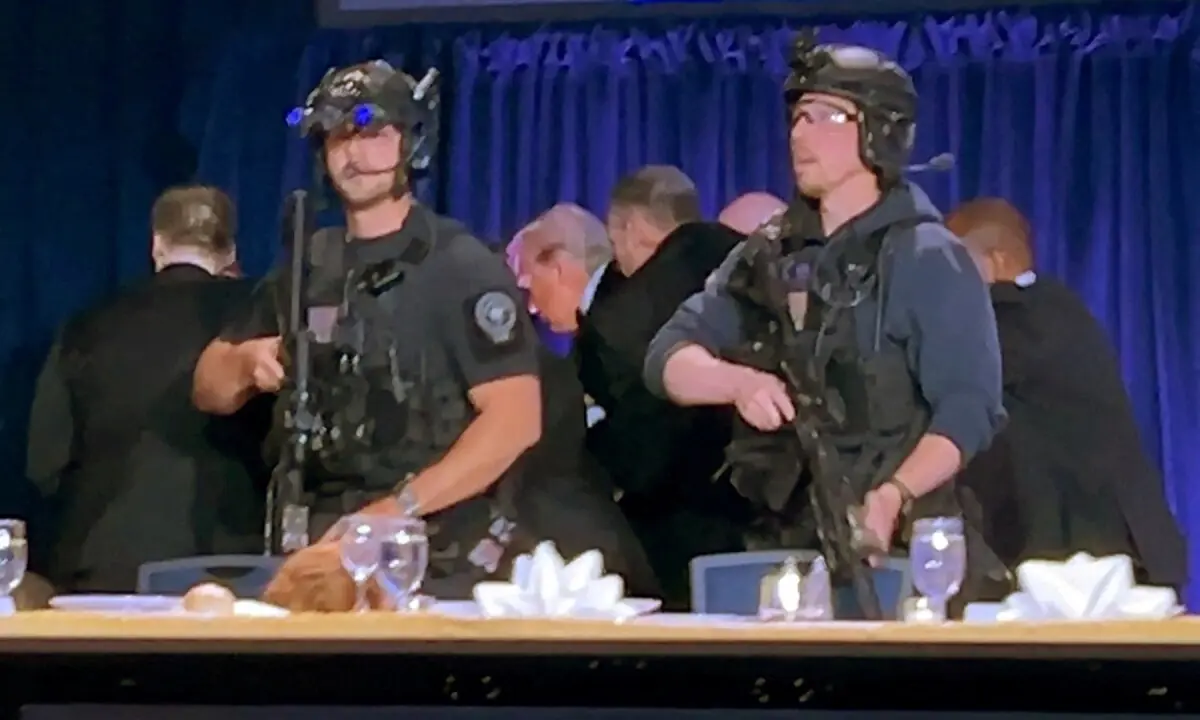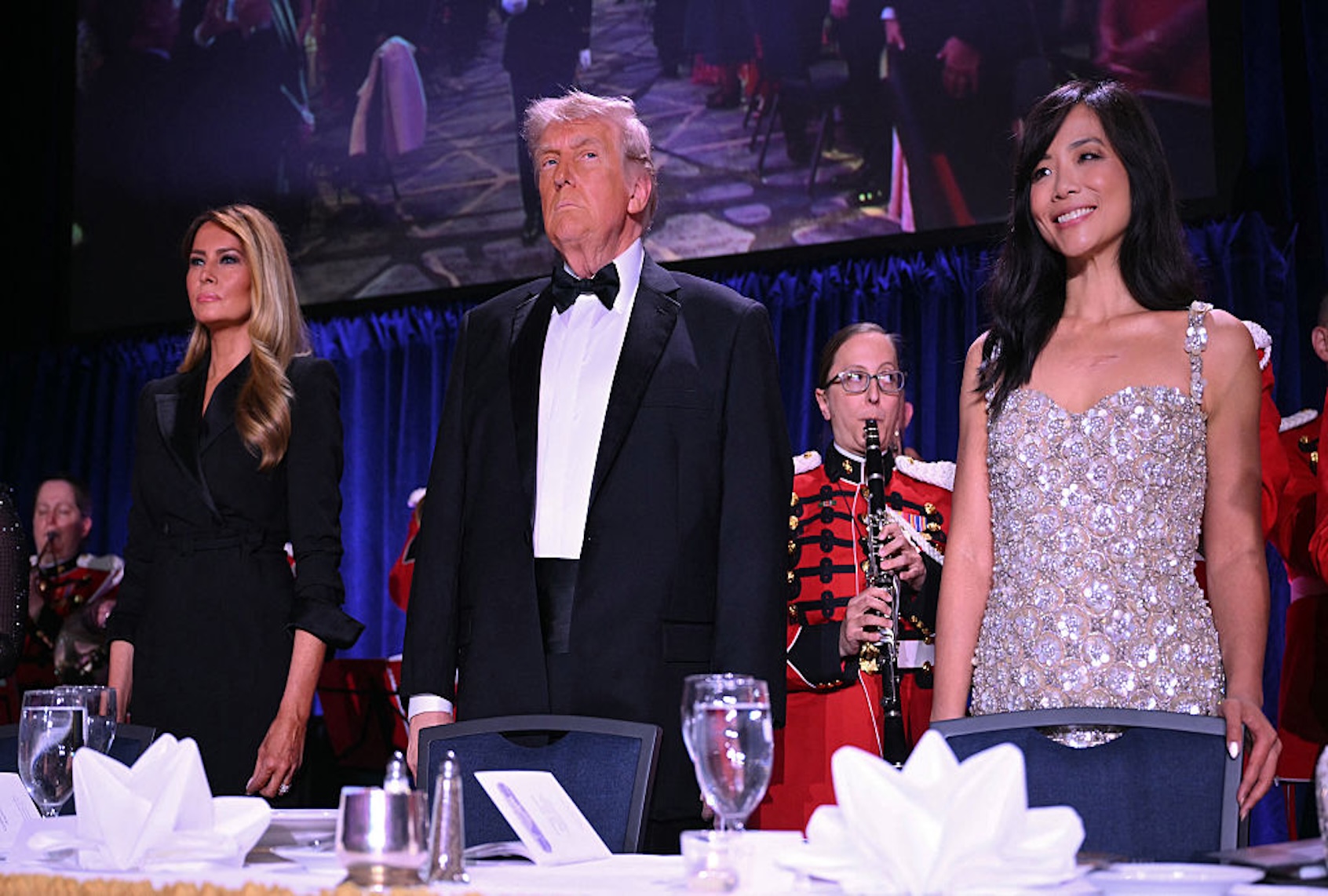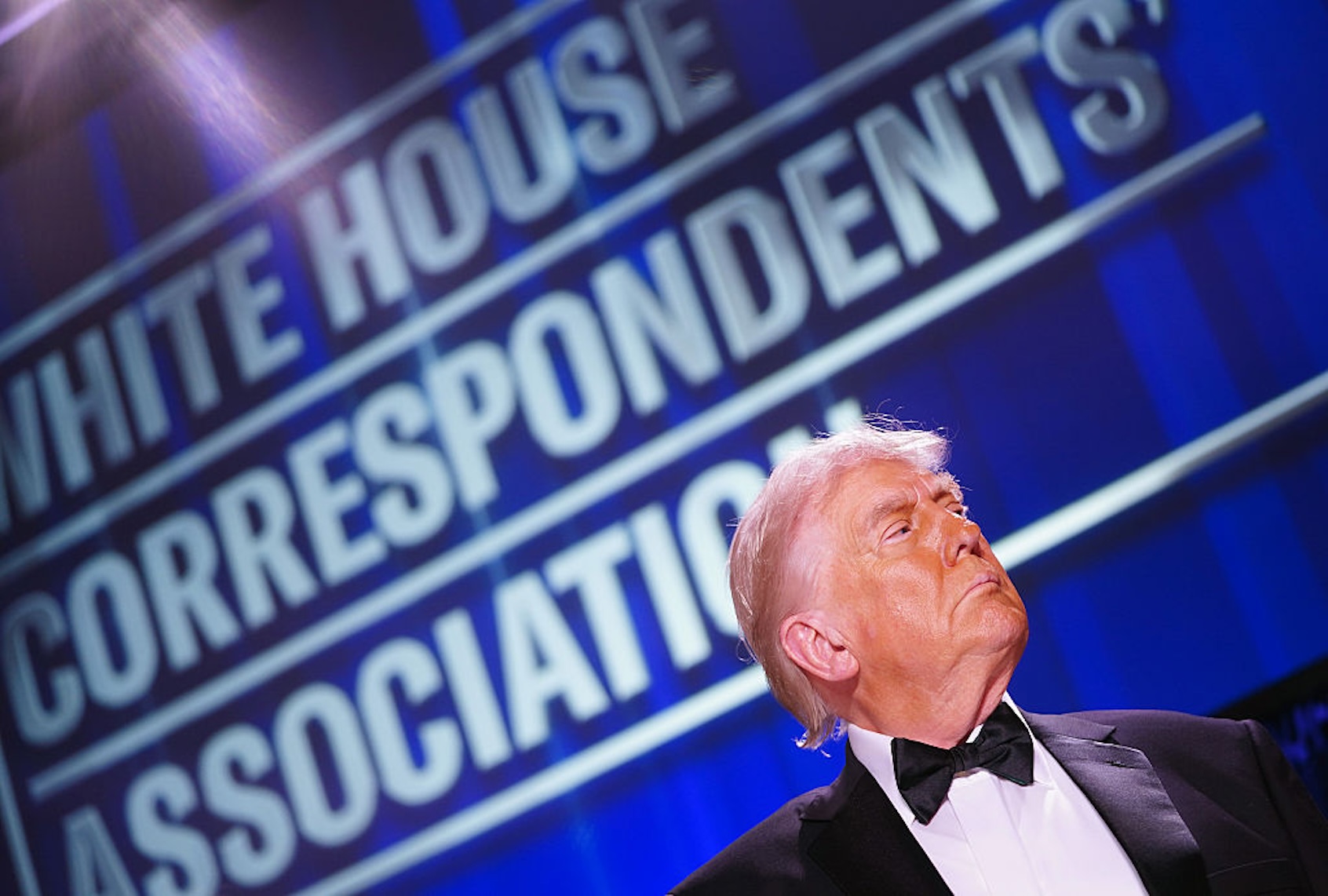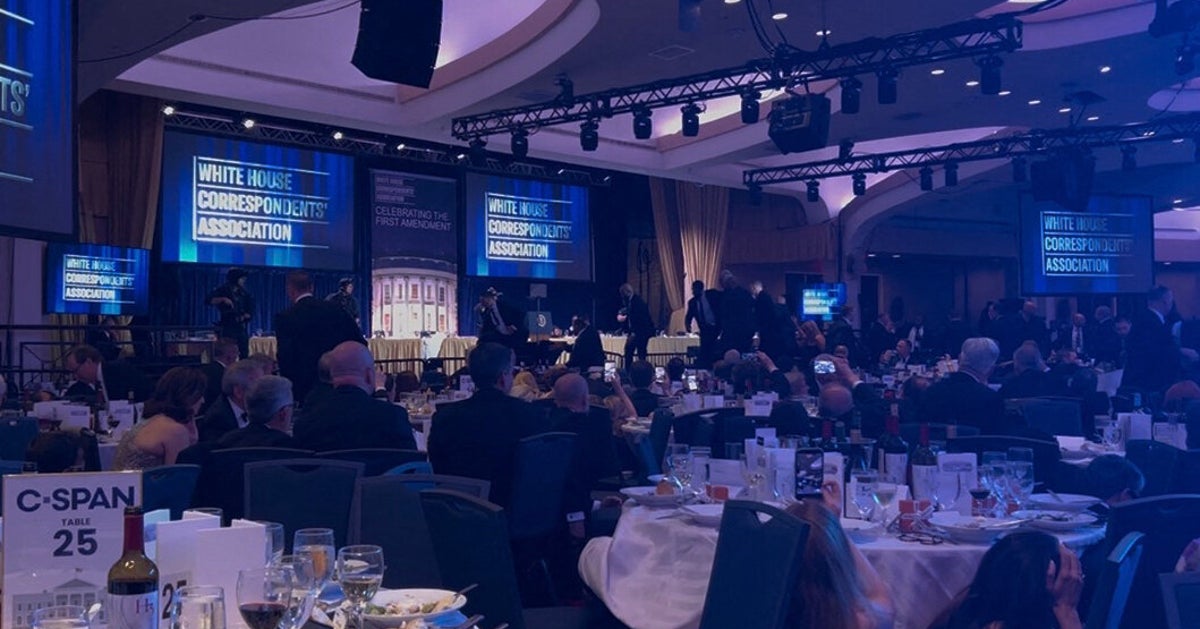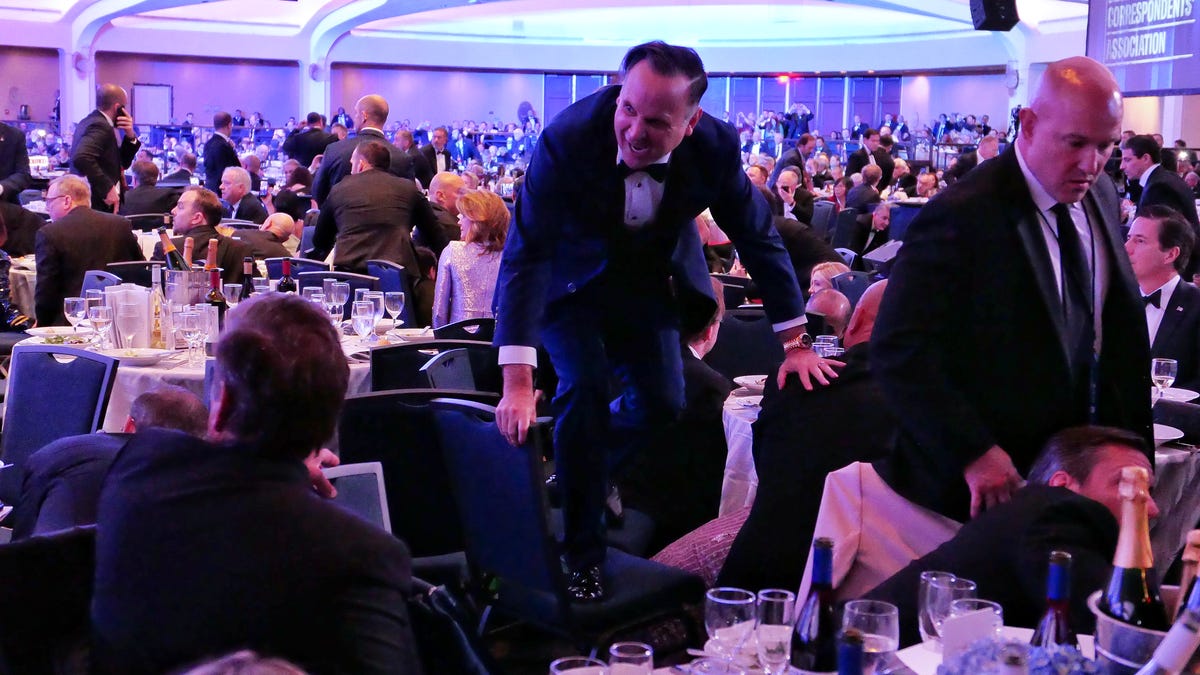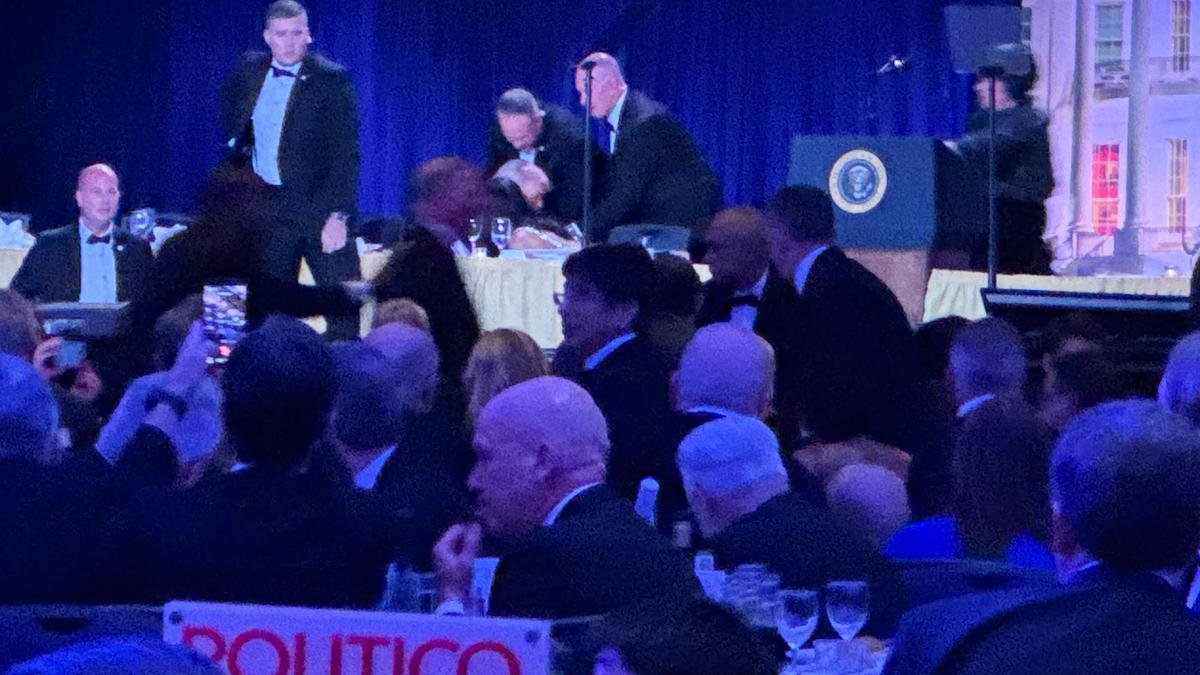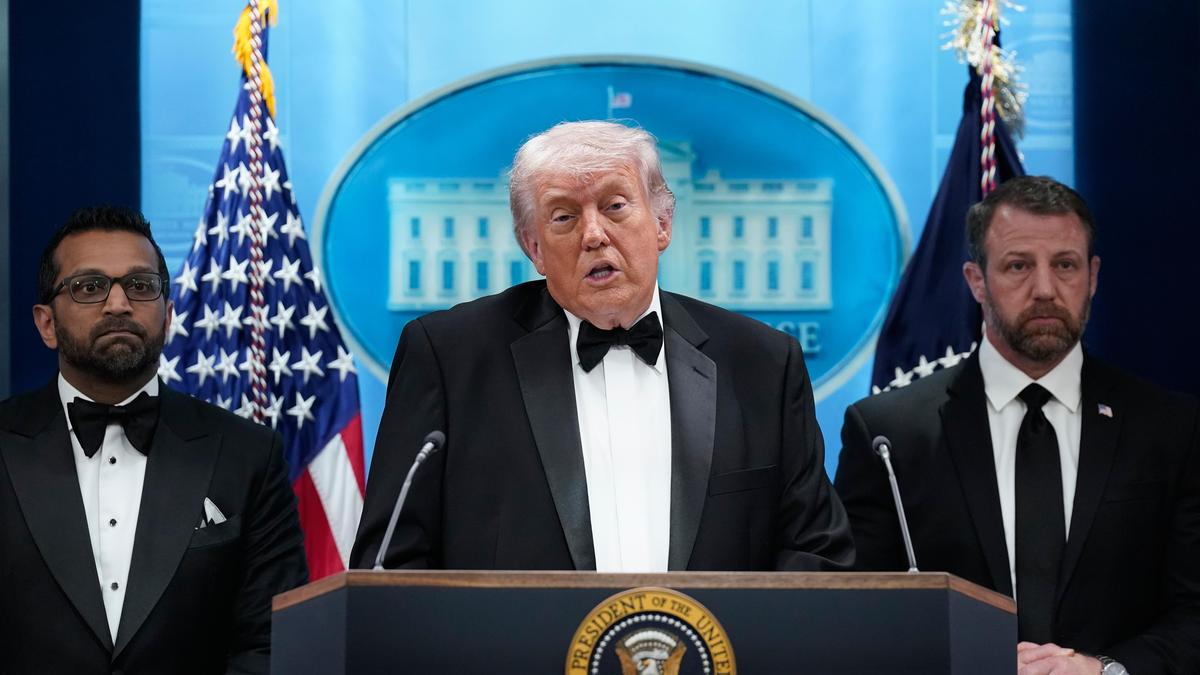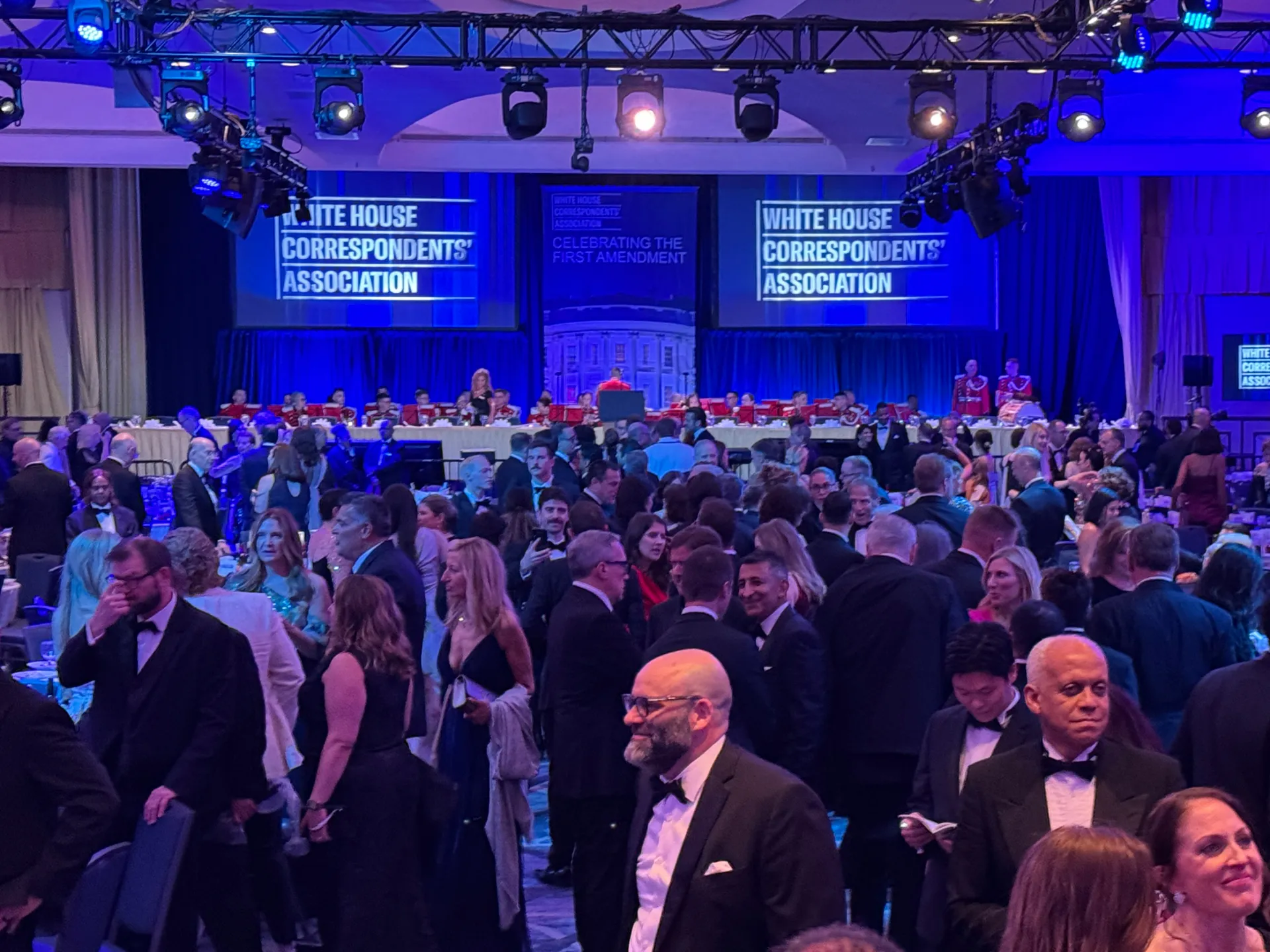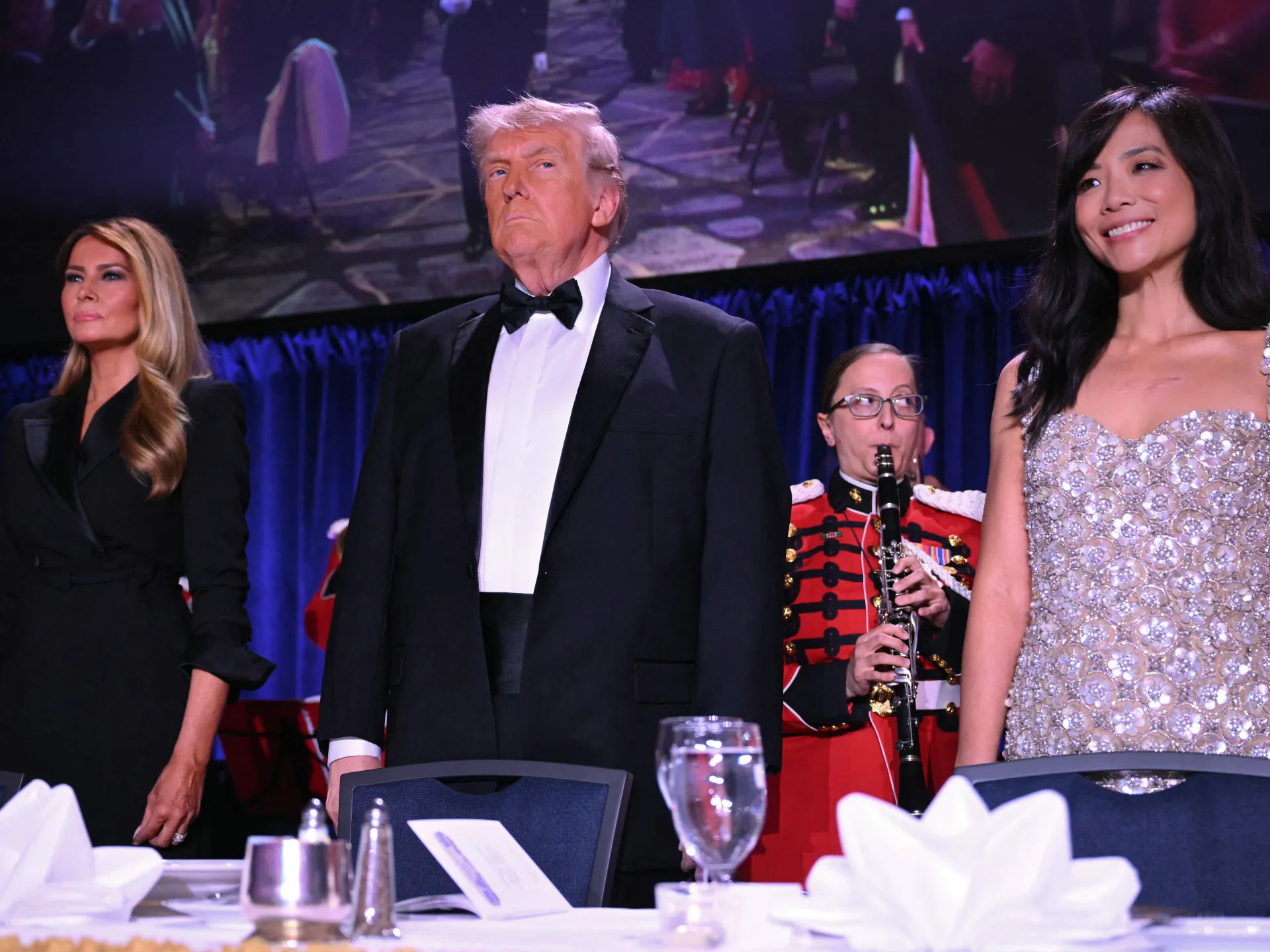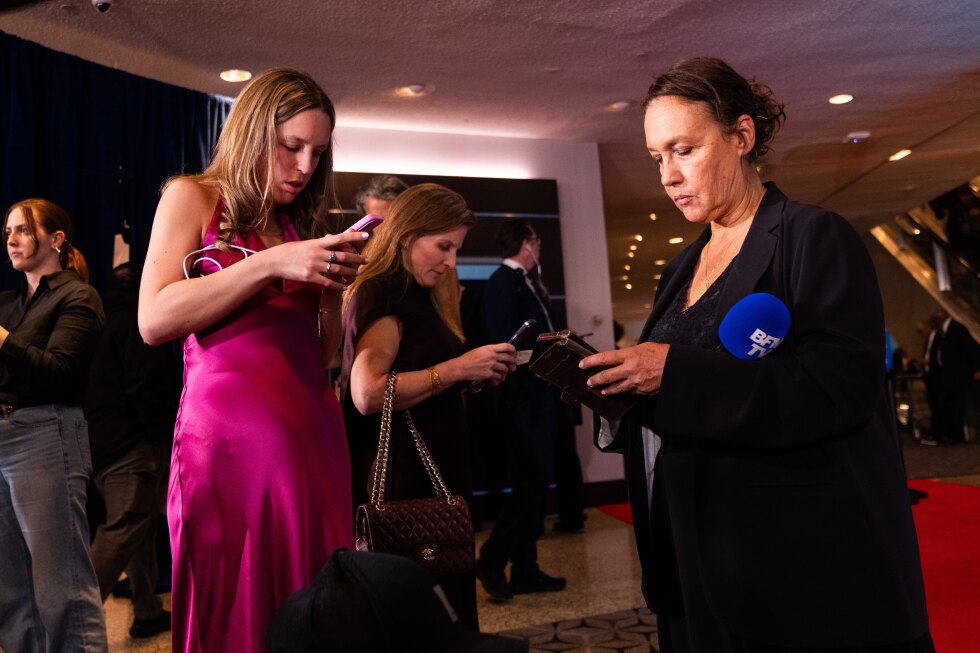
So much information, streaming out in so little time. And still: Within minutes, conspiracy theories flooded the internet. The shooting at the White House Correspondents’ Dinner attended by President Donald Trump on Saturday night played out in front of some of the nation’s most powerful reporters and editors who snapped into action in real time to provide detailed accounts from the scene.What resulted was a steady stream of facts from myriad reputable media outlets — hardly an information vacuum. Despite this, unfounded conspiracy theories from both the left and the right proliferated, chief among them that the shooting was staged. Some spread in spite of the facts, while others used real information to create false narratives.Jen Golbeck, a professor at the University of Maryland who studies conspiracy theories, said a lack of trust in institutions and an inability to sort fact from fiction create a “textbook recipe” for such rumors. But, she said, even when an abundance of information is available the entertainment value of conspiracy theories can still prevail.“The thing about conspiracy theories that makes people enjoy them, even if they’re not politically extreme, is that you get to go looking for breadcrumbs,” she said. “It’s a way to feel smart and accepted when you come up with a nugget to contribute and people like it.”
Reporters covered the correspondents' dinner shooting in real time. Conspiracy theories still spread
Conspiracy theories flooded the internet minutes after the shooting at the White House Correspondents’ Dinner attended by President Donald Trump.
595 words~3 min read