Neither political party is immune to conspiracies in a time of intense distrust in government and media, experts say
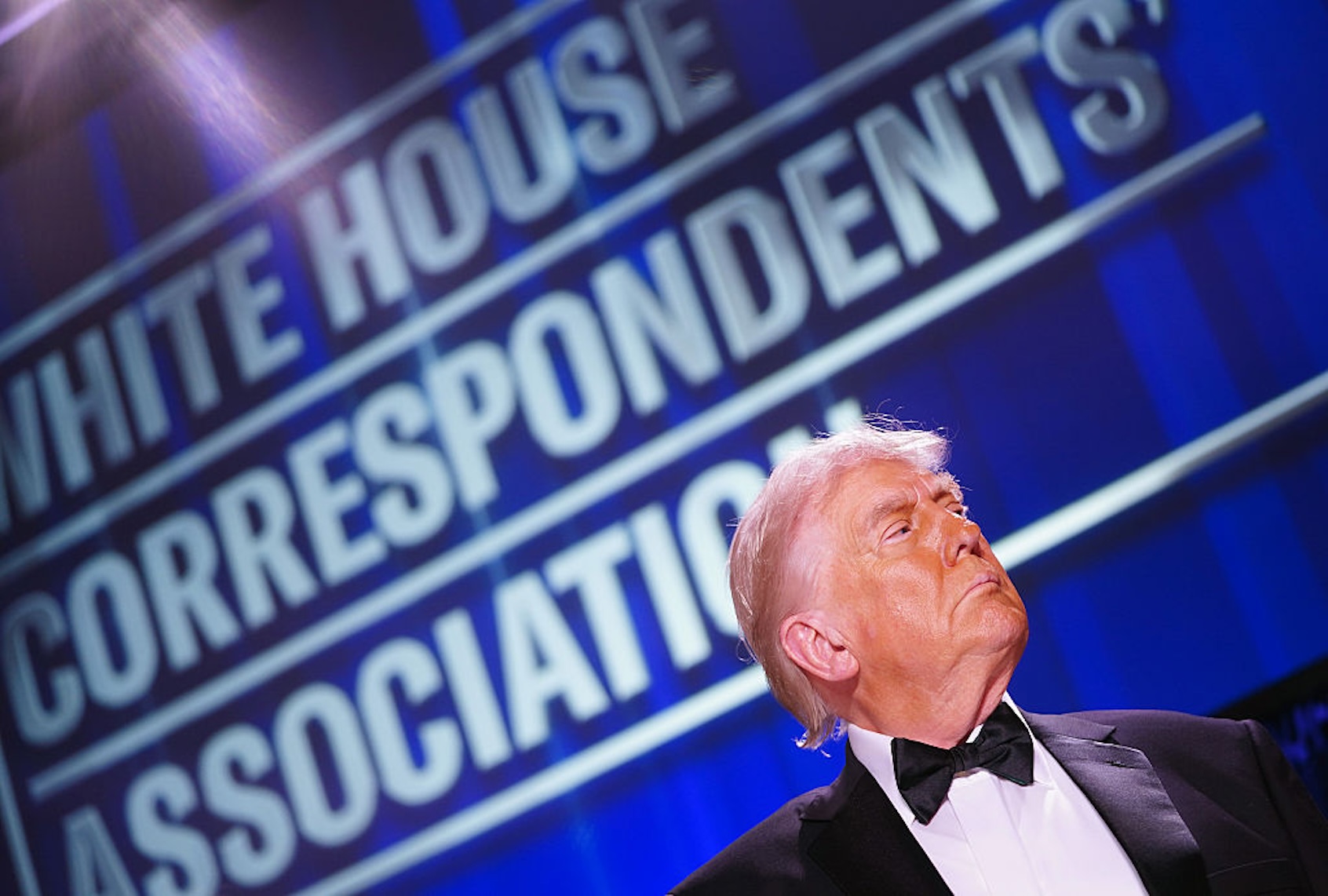
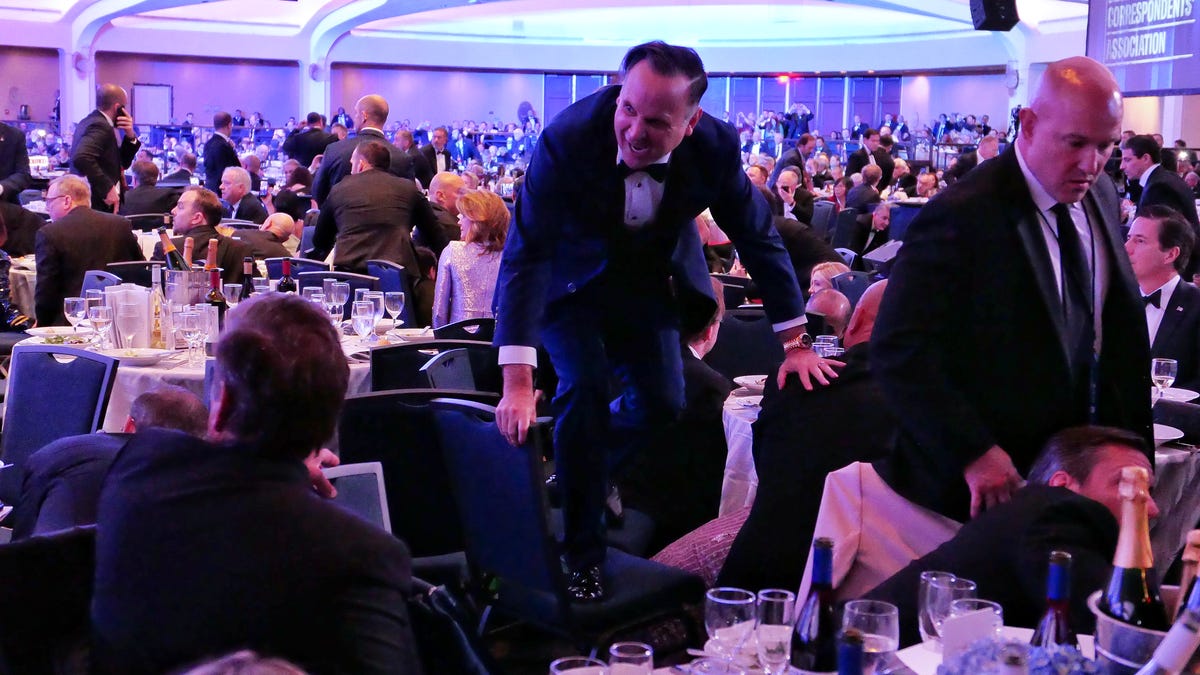
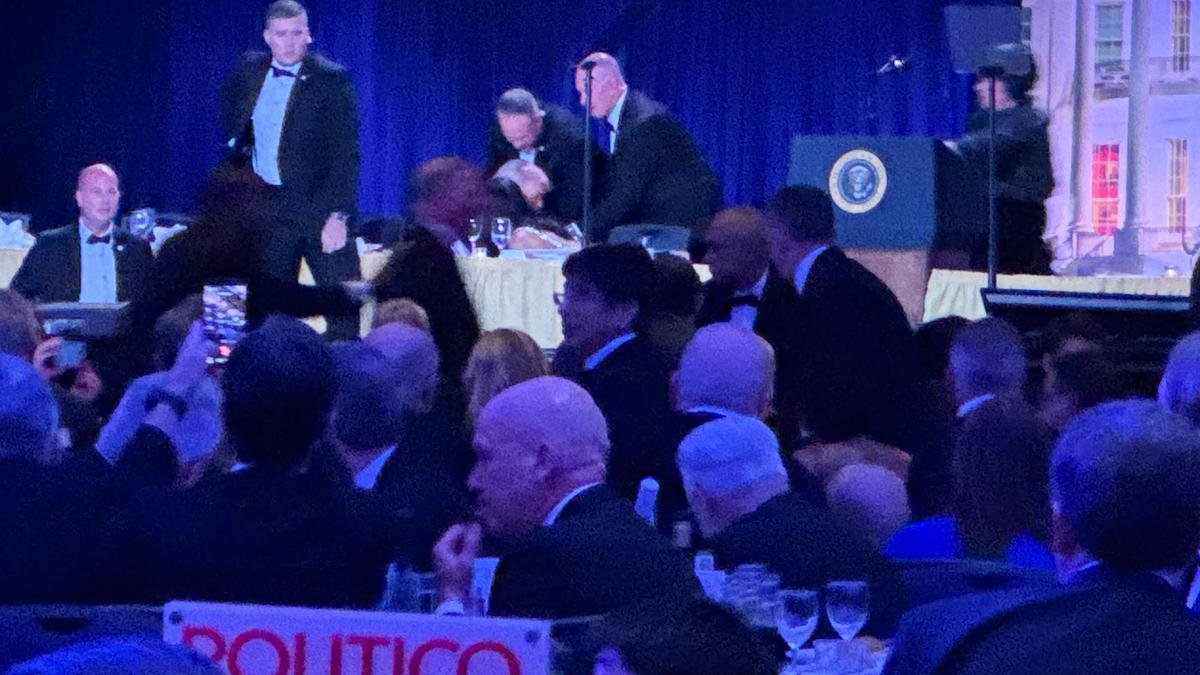
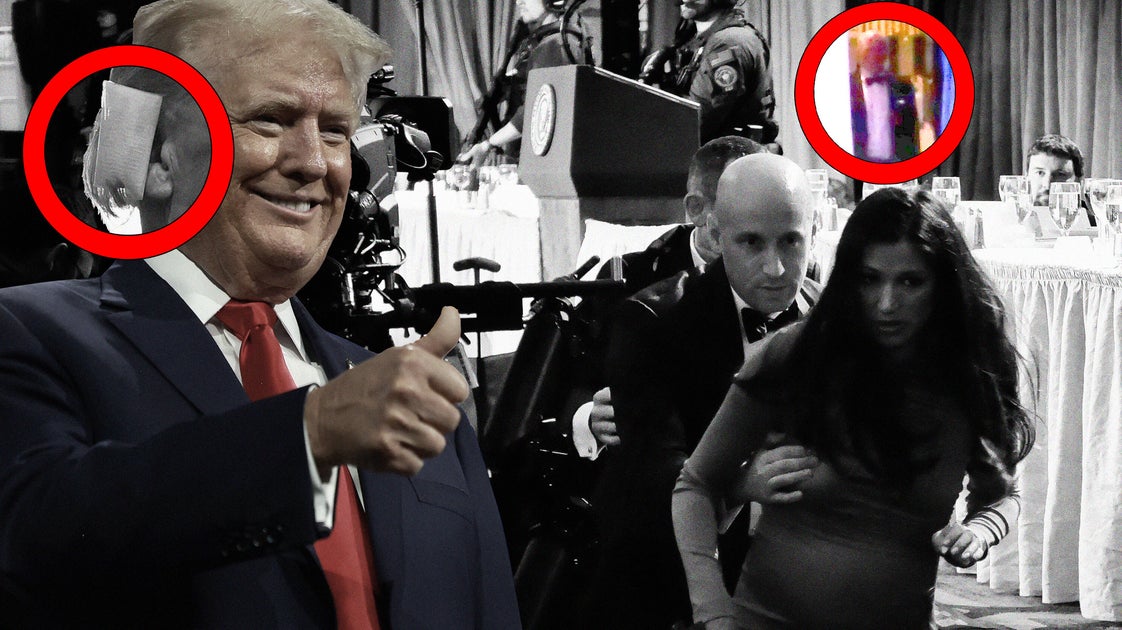
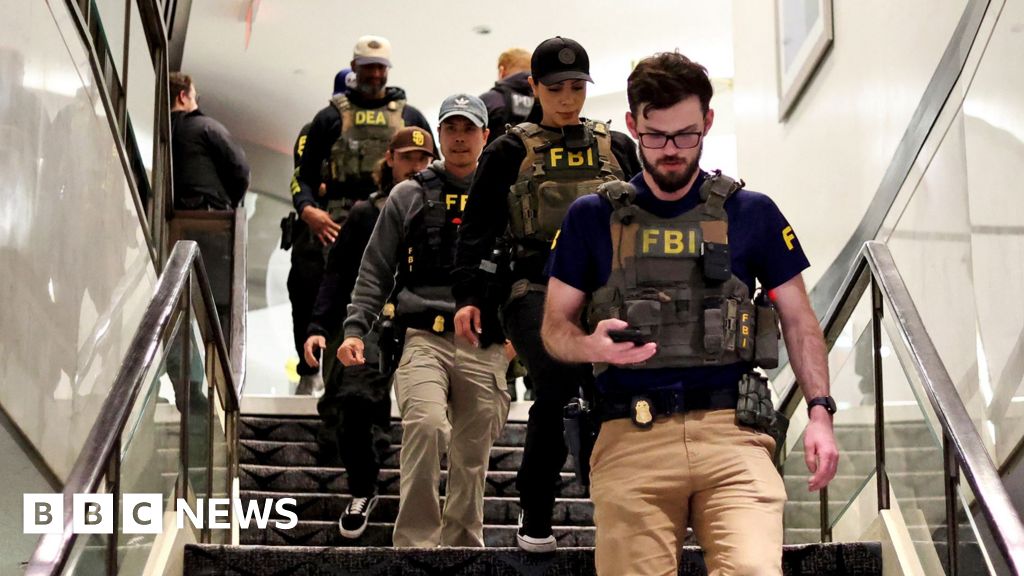
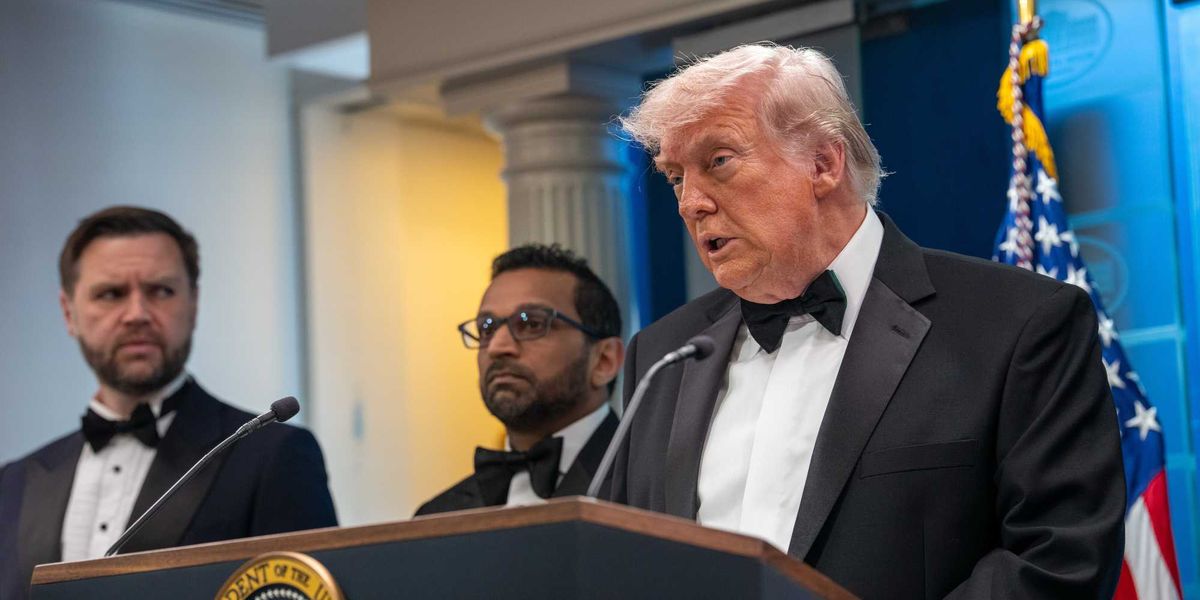
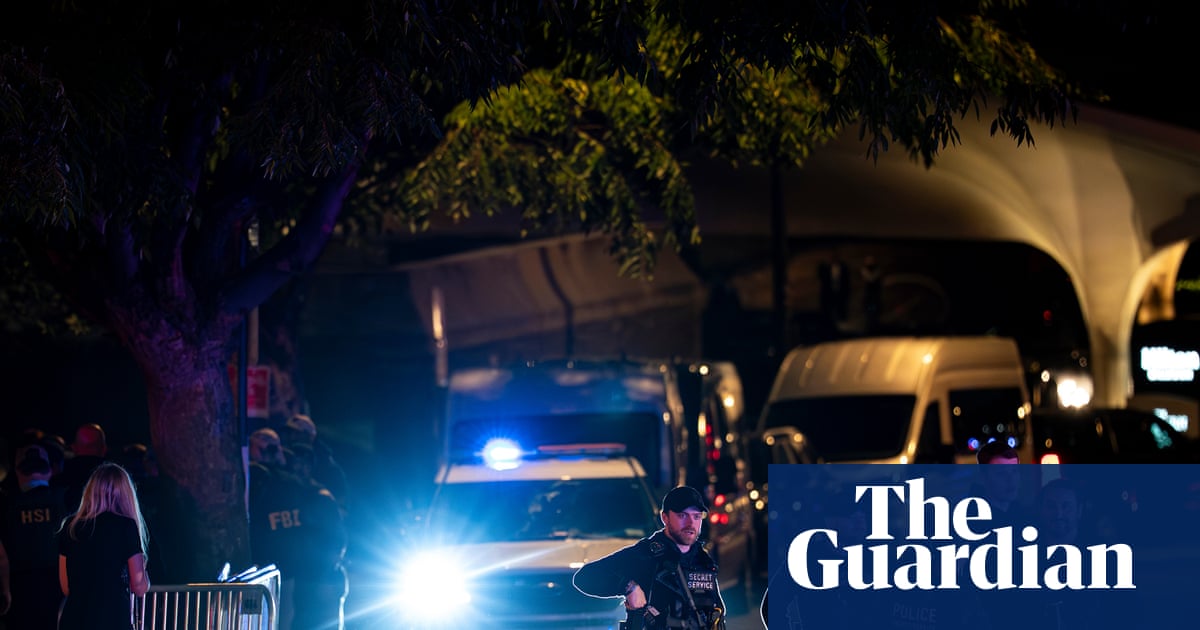
After an armed man attempted to breach the ballroom where Donald Trump was set to speak to White House journalists on Saturday, conspiracies immediately spread about whether the event was staged.
The rhetoric has become a common refrain from both sides of the aisle in an era of deeply fractured politics and intense distrust in political institutions and media, and in the president himself.
The conspiracies about the White House correspondents dinner gunman came as some of Trump’s former allies had been discussing a conspiracy publicly, for weeks, about a prior assassination attempt at a rally in Pennsylvania during his 2024 campaign being staged.
Conspiracy theories are a frequent response to significant political events, including assassination attempts, said Scott Radnitz, a professor at the University of Washington who has written on conspiracism as its own theory of power. Online conspiracies especially receive more attention in the immediate aftermath of an event, when the truth is unclear and algorithms fuel sensationalism. People who distrust Trump will be suspicious of any political development he’s a part of, Radnitz said.