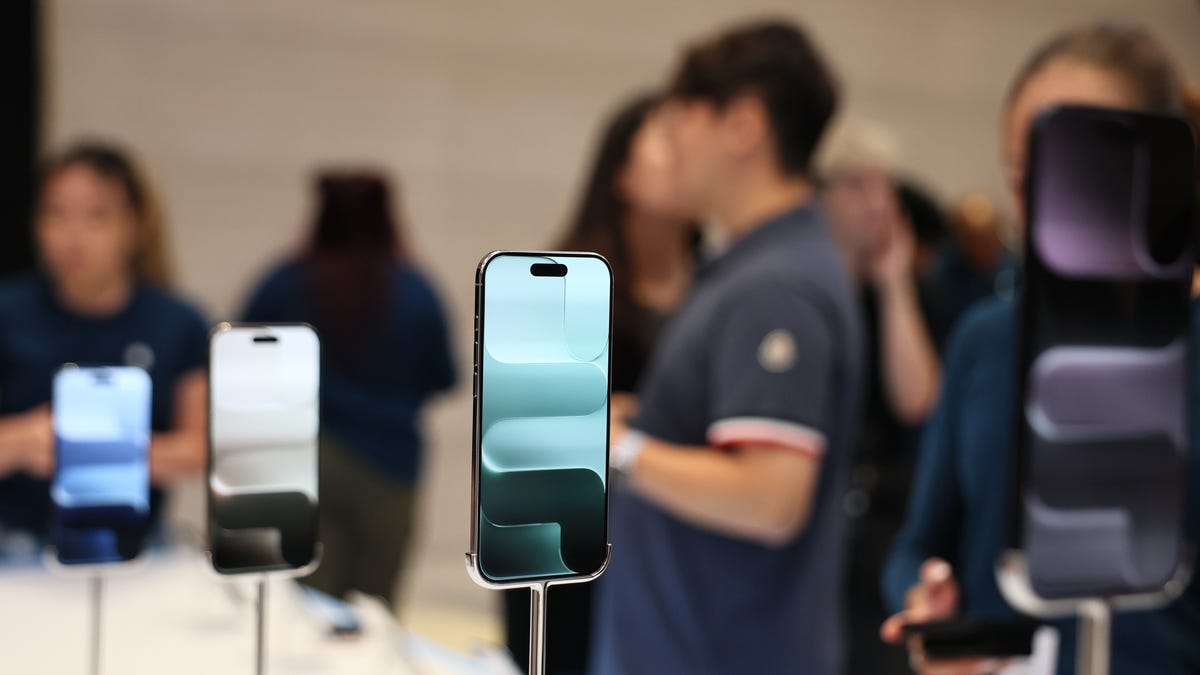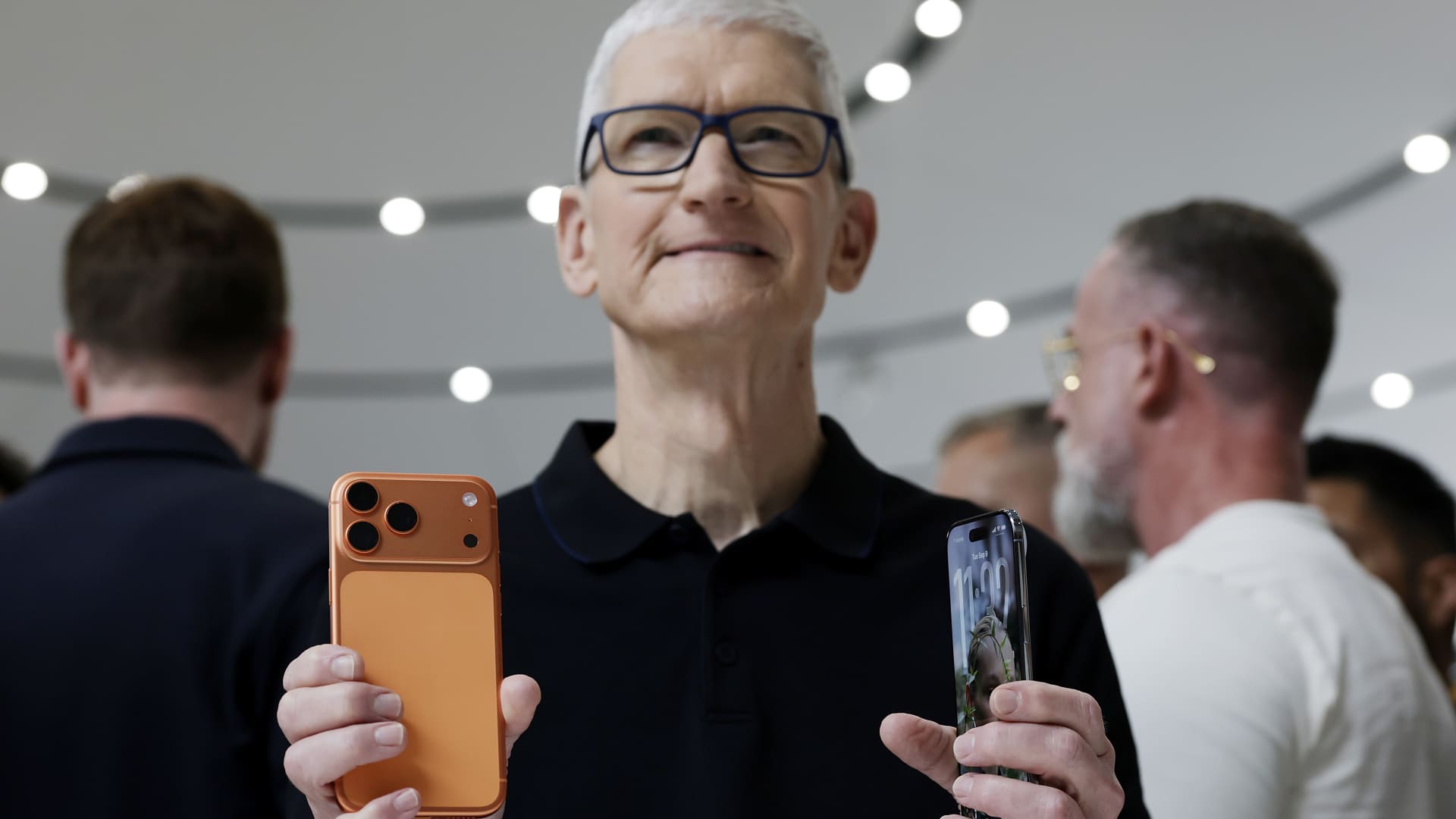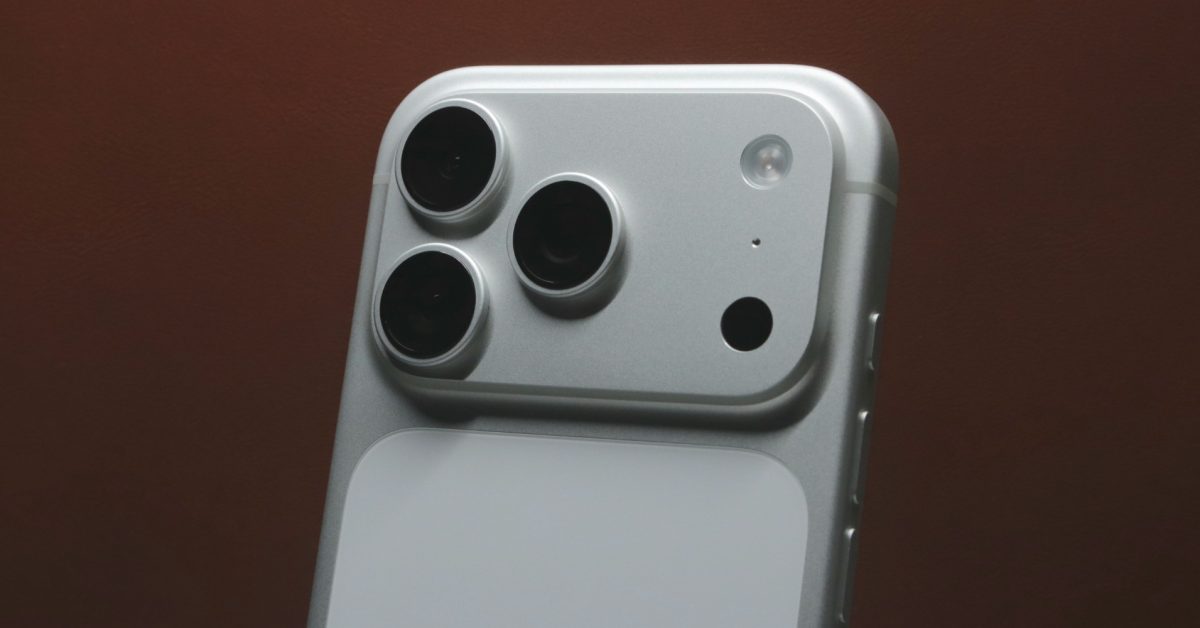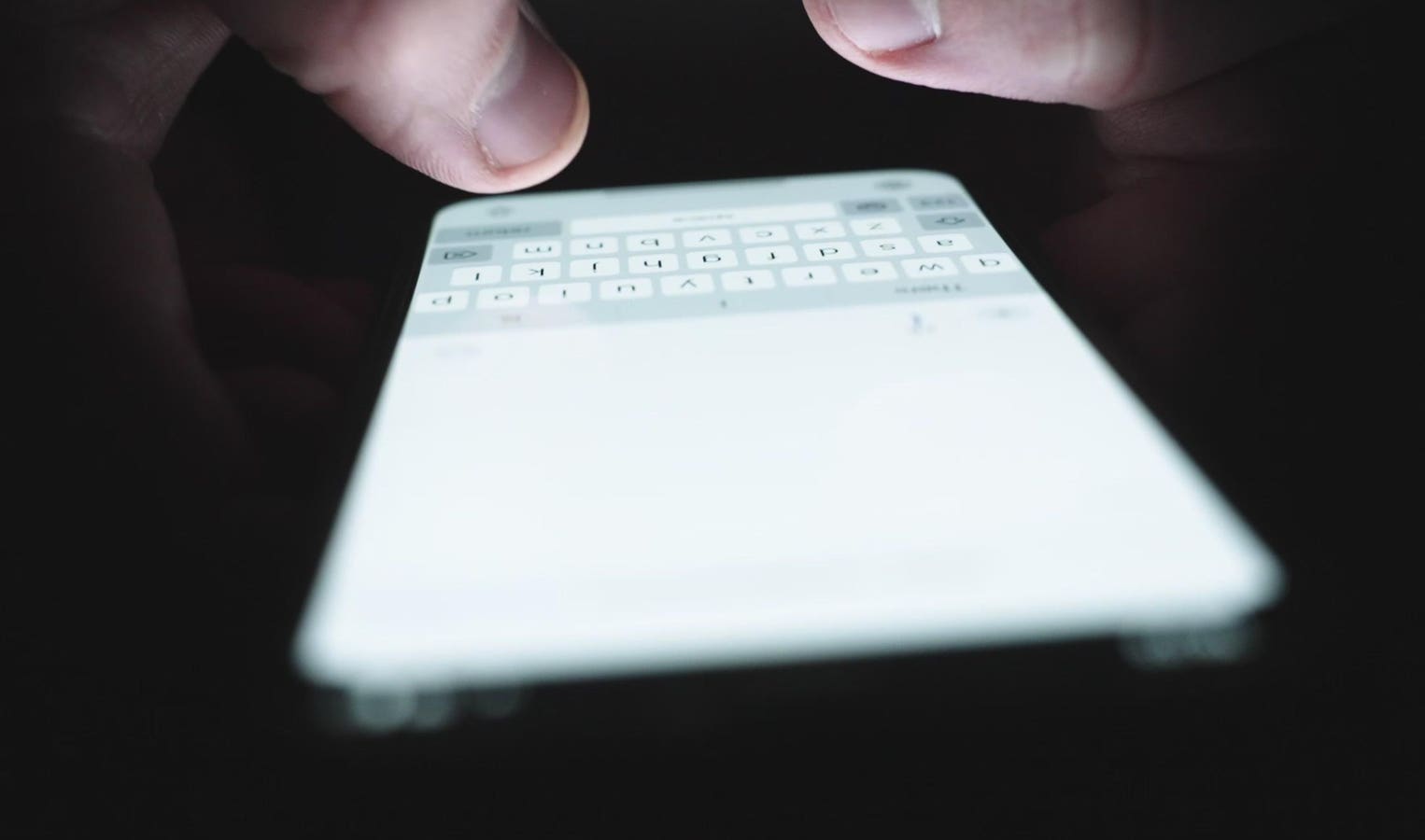
SAN FRANCISCO (AP) — The American obsession with the iPhone is complicated, as most love-hate relationships are.It sometimes seems like a talisman so magical that we can’t fathom living without all the pleasures and conveniences that it bestows almost anytime or anywhere. The iPhone, and its smartphone brethren, enable pictures that can be posted instantly on social media. We can play a game, watch a video, listen to music, send a text, check email, surf the internet, catch up on on the news, get directions, tap to pay.Oh — and, every once in a while, we can even make or answer a phone call.At other times, the iPhone seems like a drug-dealing pusher preying on our weaknesses and worst impulses while deepening our addiction to its endless stream of notifications and alerts that lure us into gazing at its screen as our attention spans become increasingly shorter.
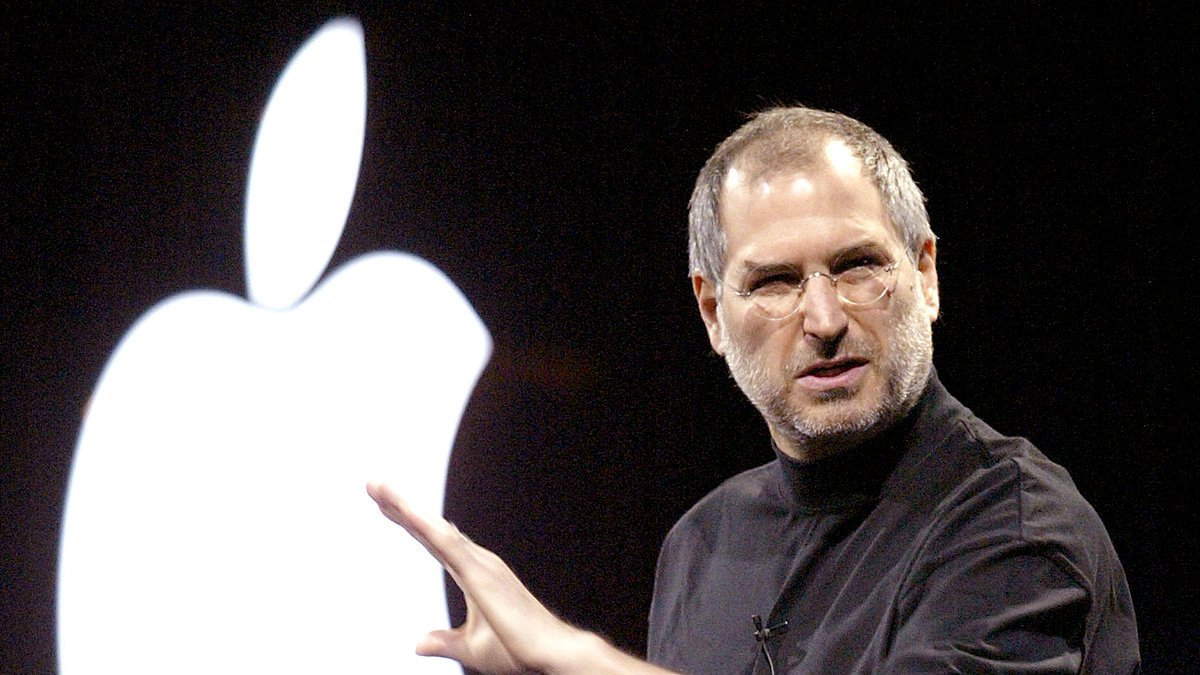
It’s a paradox that is confronting America while the iPhone is still a teenager, inhabiting the same demographic that it may have impacted the most. The device wasn’t even born until 2007, when Apple co-founder Steve Jobs strolled across a stage to promise a mesmerized audience that they were about to see something that would change everything.