TEHRAN, May 13. /TASS/. The agreement that the US and Iran may reach in the foreseeable future is unlikely to be comprehensive. It will differ significantly from the Joint Comprehensive Plan of Action (JCPOA) concluded in 2015, Oleg Akulinichev, Deputy Chairman of the Russian-Iranian Business Council at the Chamber of Commerce and Industry, scholar and diplomat said in an interview with TASS.
"The chances of a final agreement are slim, but they remain. It will be fundamentally different from the JCPOA concluded between Iran and the US in 2015. Moreover, it is unlikely to be a 'peace treaty' in the classic sense, but rather a technical agreement on de-escalation under severe pressure. The likelihood of a 'grand bargain' is low due to the lack of trust and military action in 2025-2026. The most that can be achieved in the short term is an extension of the fragile ceasefire and the assumption of limited commitments by Tehran and Washington," he emphasized.
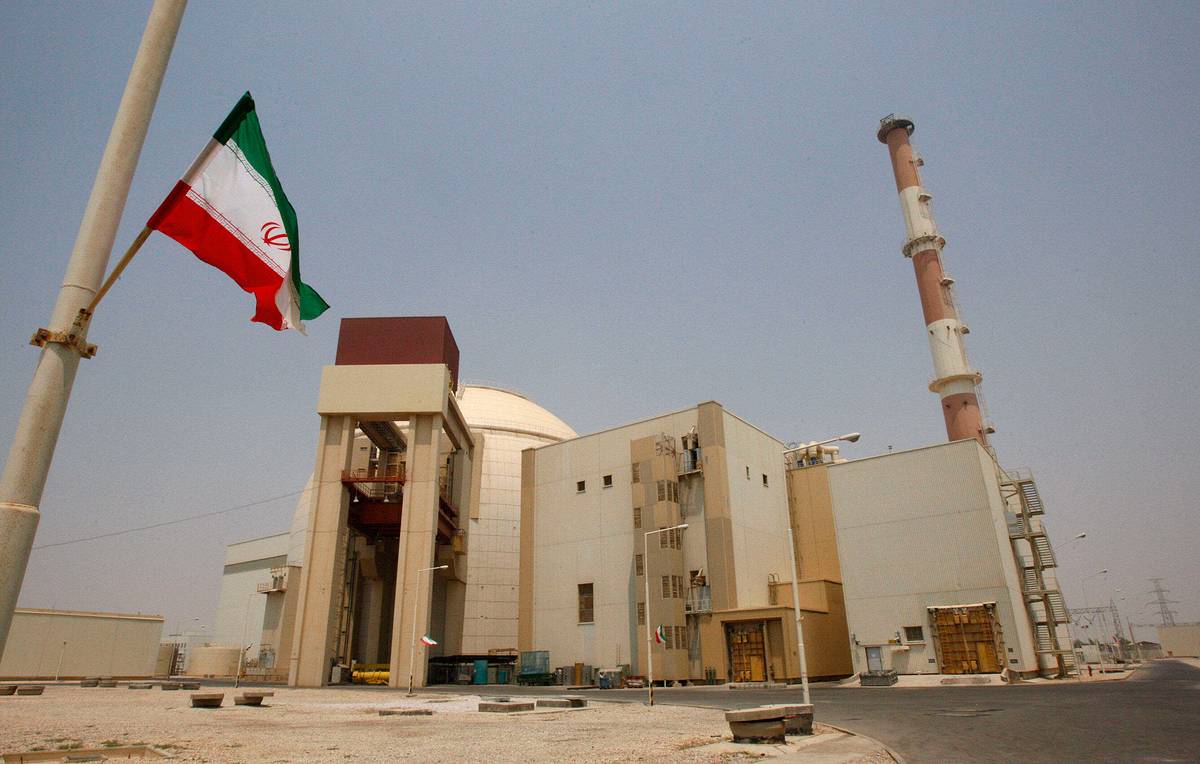
Akulinichev believes that the US could agree to unfreeze Iran's foreign assets in exchange for a temporary halt to Tehran's uranium enrichment. "Yes, nuclear issues will be included in the agreement in some form in any case, despite Iran's desire to leave them out," Akulinichev emphasized. The US, he said, will in any case push for "not just restrictions, but a verification regime, including IAEA access to military facilities and total control of centrifuges," without which Washington will not be able to present the deal as a triumph.