As an astronomer, I had witnessed many celestial phenomena. But nothing prepared me for those few minutes in 2017 when the world fell silent
I
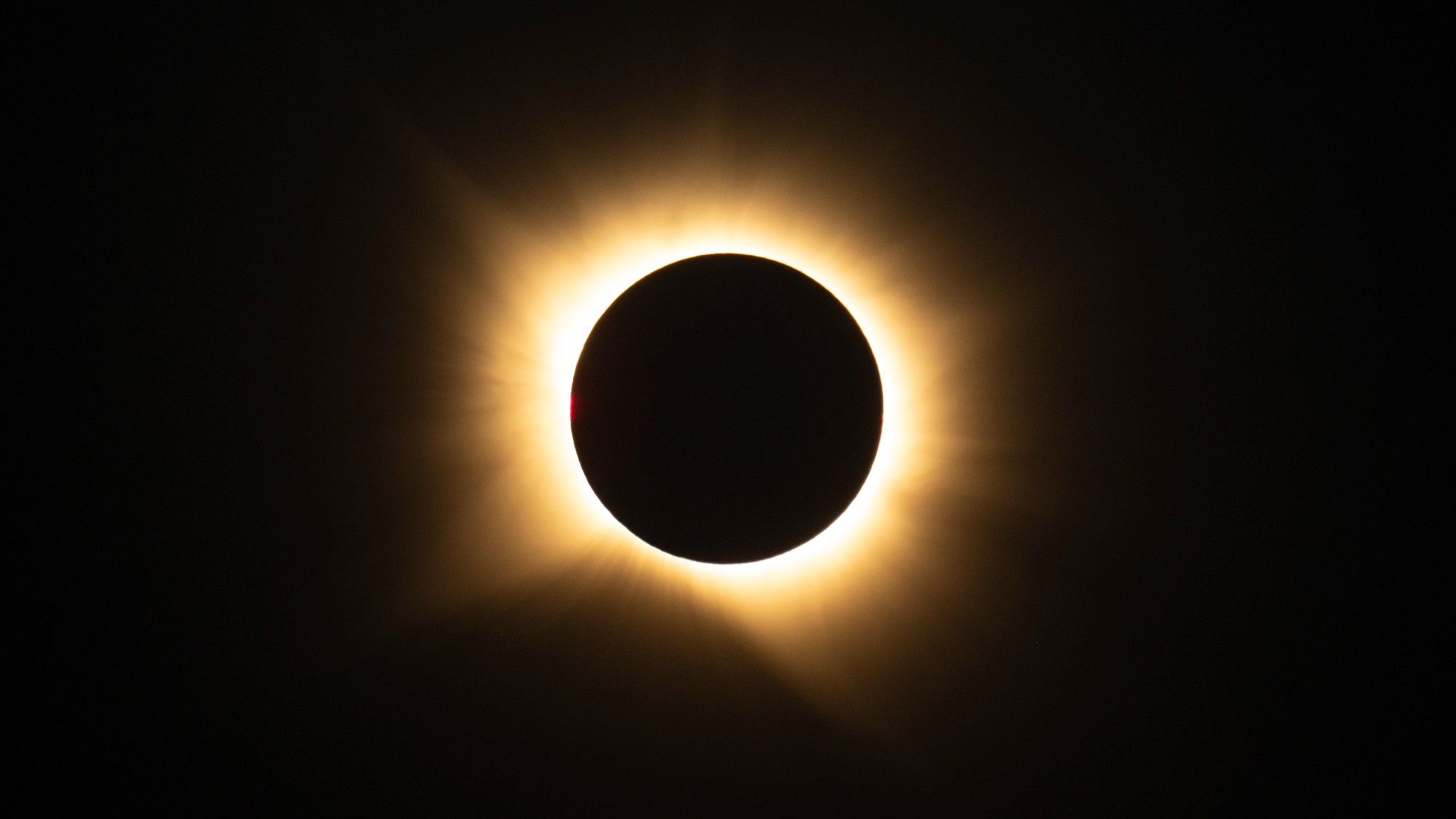
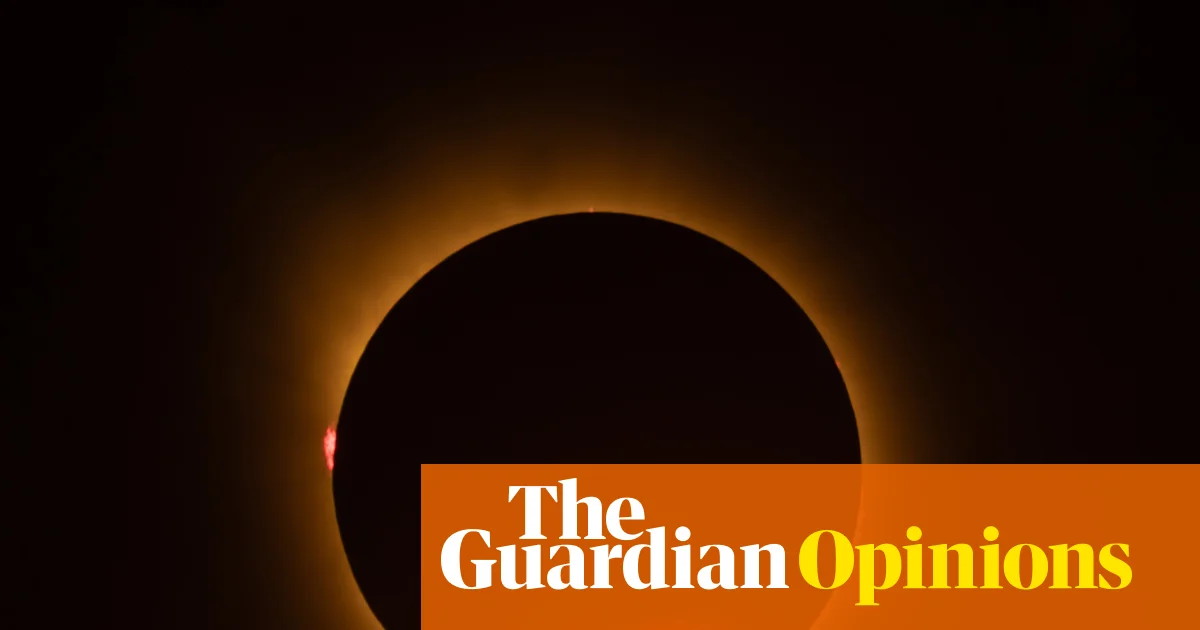
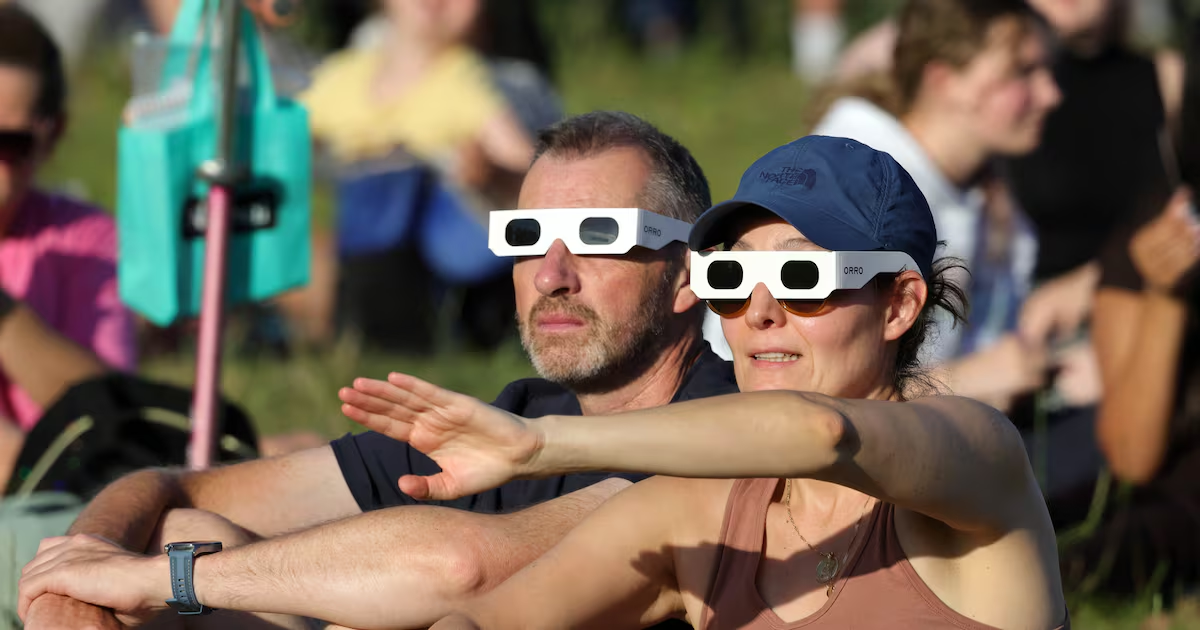
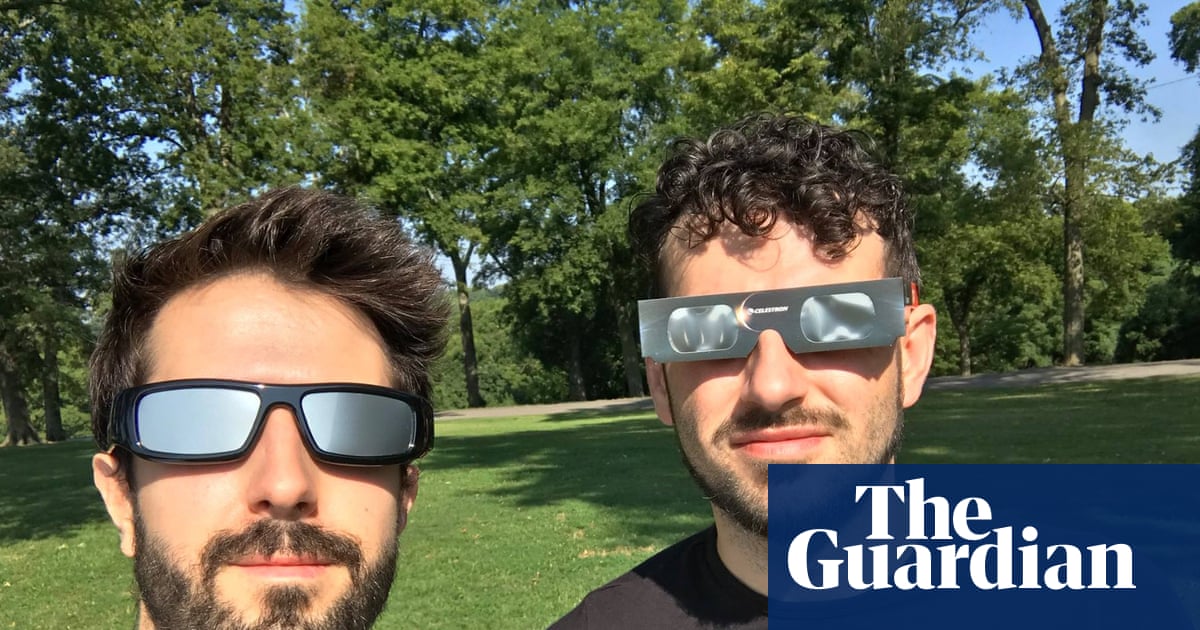
have never driven with more determination than when rushing away from Shelby Park in Nashville. We had reached Davidson Street when my husband shouted: “There! There’s sunlight!” I skidded into a car park of a printing company with barely any time to spare. We jumped out of the car, put on our dark glasses, and looked at the quickly disappearing sun. It was surrounded by clouds, but a tiny sliver of light was still shining. This was 1.27pm on 21 August 2017. We had travelled all the way from London to Tennessee to experience the Great American Eclipse – an astronomical phenomenon I had never seen before.
As an Italian-born astronomer, I had always felt at a bit of a disadvantage. I have a doctorate in astrophysics, focused on collisions between galaxies. I have seen many celestial phenomena – comets, planetary alignments, fireballs, galaxies, northern lights – but not a total solar eclipse.
Moving to the UK in 2007, I heard so many stories about the 1999 total solar eclipse. I hadn’t witnessed it myself, as it was not visible from Italy. Several friends mentioned they had gone to Cornwall or crossed the Channel to France to get a glimpse of this once-in-a-century event. The UK is not going to have another until 23 September 2090. I felt cheated by geographical fate.