J
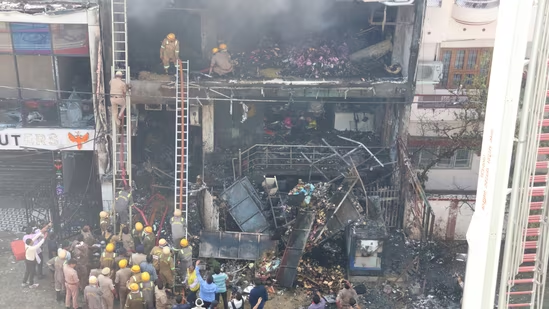
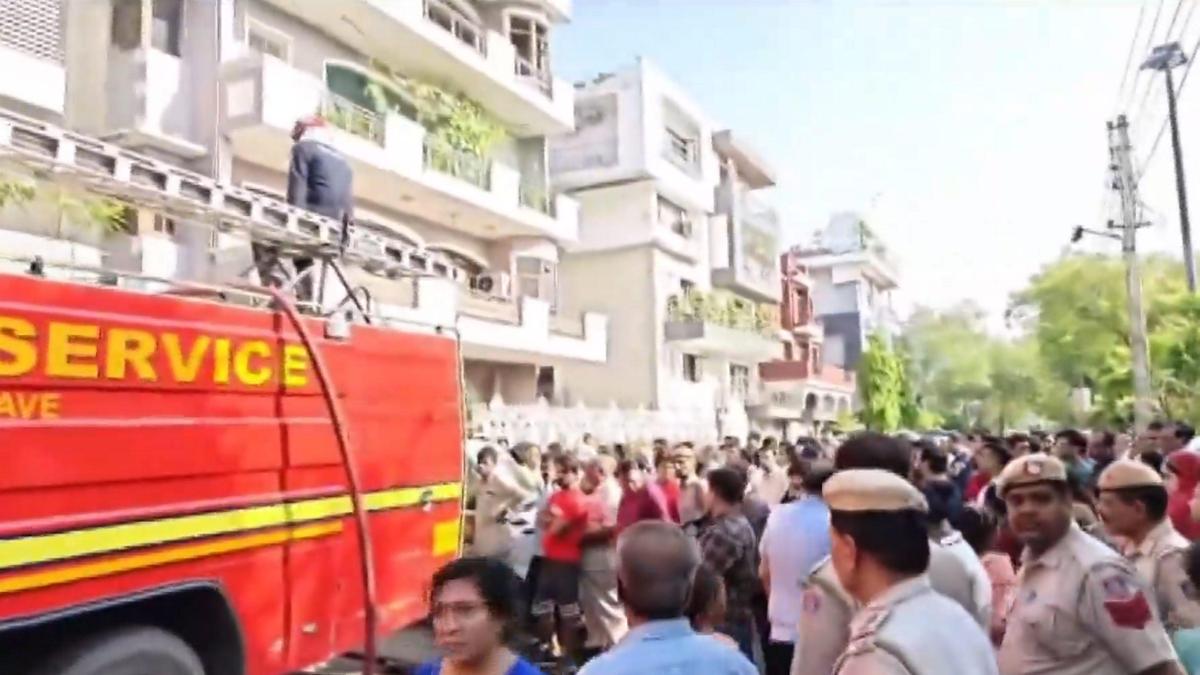
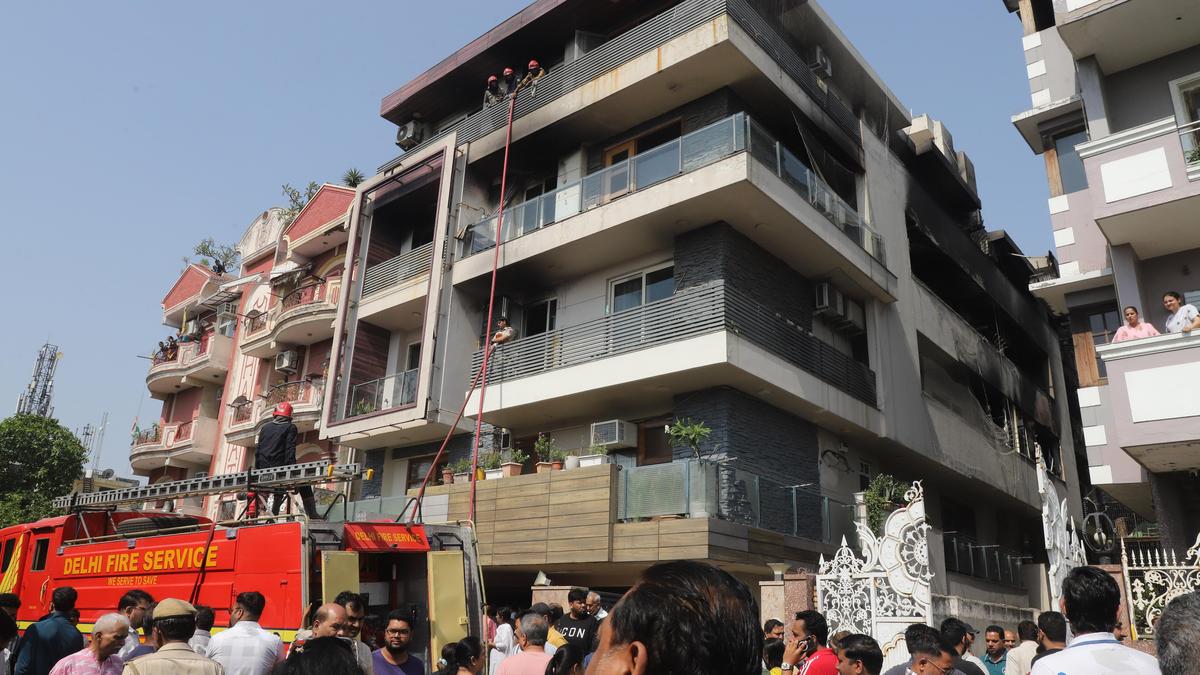
ust after 3.48 a.m. on May 3, 2026, fire tore through a four-storey building in Vivek Vihar, East Delhi, killing nine. The suspected origin is an air-conditioner blast or short circuit. Delhi Fire Service data attributes over 80 per cent of fires in the capital to electrical faults; Mumbai Fire Brigade, analysing 26,855 incidents over five years, attributes nearly three in four to the same cause. These are reported attributions, not forensic findings; the gap matters. The National Crime Records Bureau (NCRB) recorded 7,566 fire accidents and 7,435 deaths in 2022, with electrical short circuit consistently among the largest single causes, but most incidents land in a catch-all ‘other’ category, meaning electrical causes are likely under-counted.
India’s electricity demand hit 256.11 GW on April 25, 2026, against air temperatures of 47 degrees, roughly double the early-2010s peak. Cooling already pulls about 50 GW at peak; that could rise to 180 GW by 2035. Indians bought 15.4 million ACs in 2025; the IEA expects the installed base to climb from 93 million units in 2024 to 240 million by 2030. Each new unit is a non-linear load plugged into wiring sized, in older buildings, for fans and bulbs.