To learn more about the CNBC CFO Council, visit cnbccouncils.com/cfo
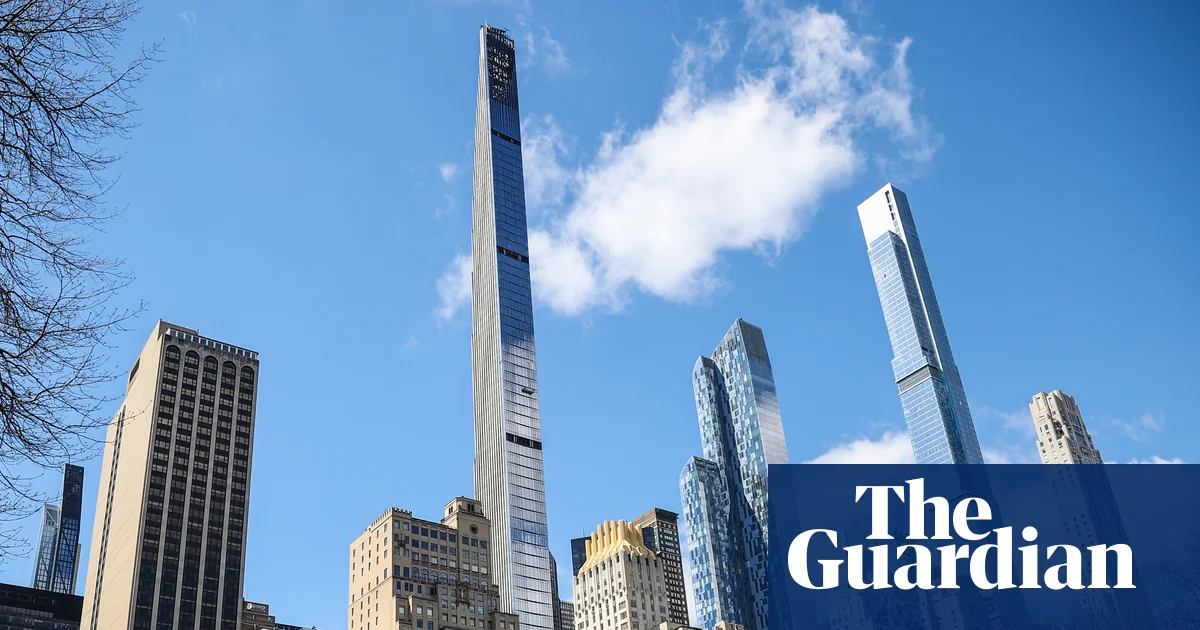
From New York to Vancouver to London, a once-niche policy idea is moving into the mainstream of urban finance: taxing pied-à-terre properties, second homes, vacation apartments, and luxury units that sit partially or entirely unused.
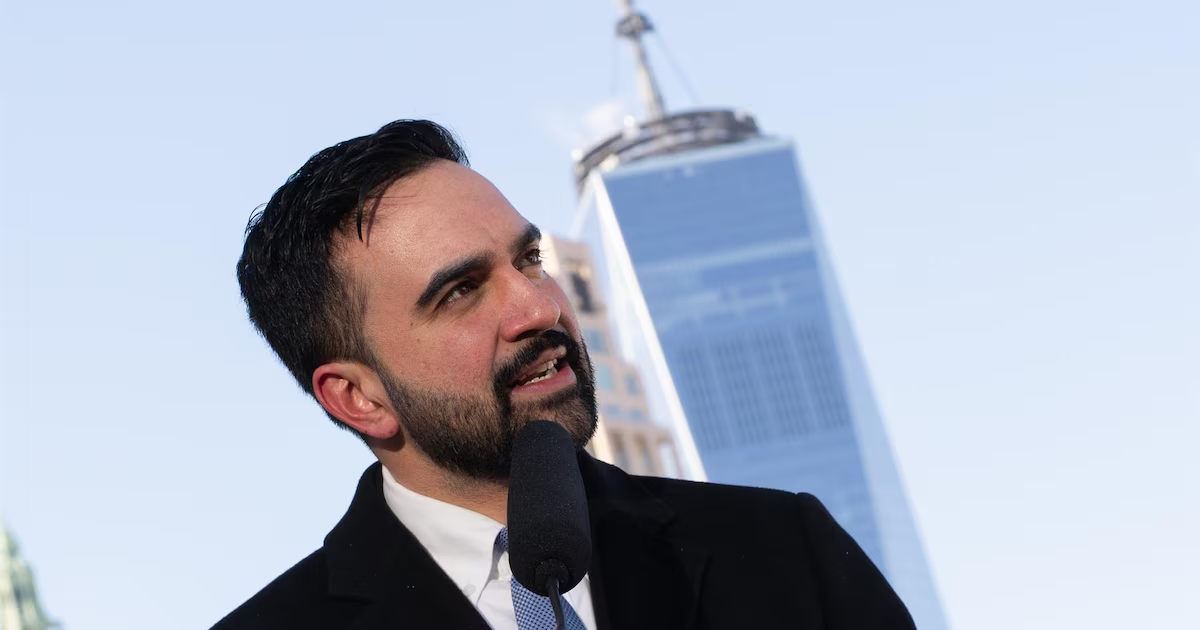
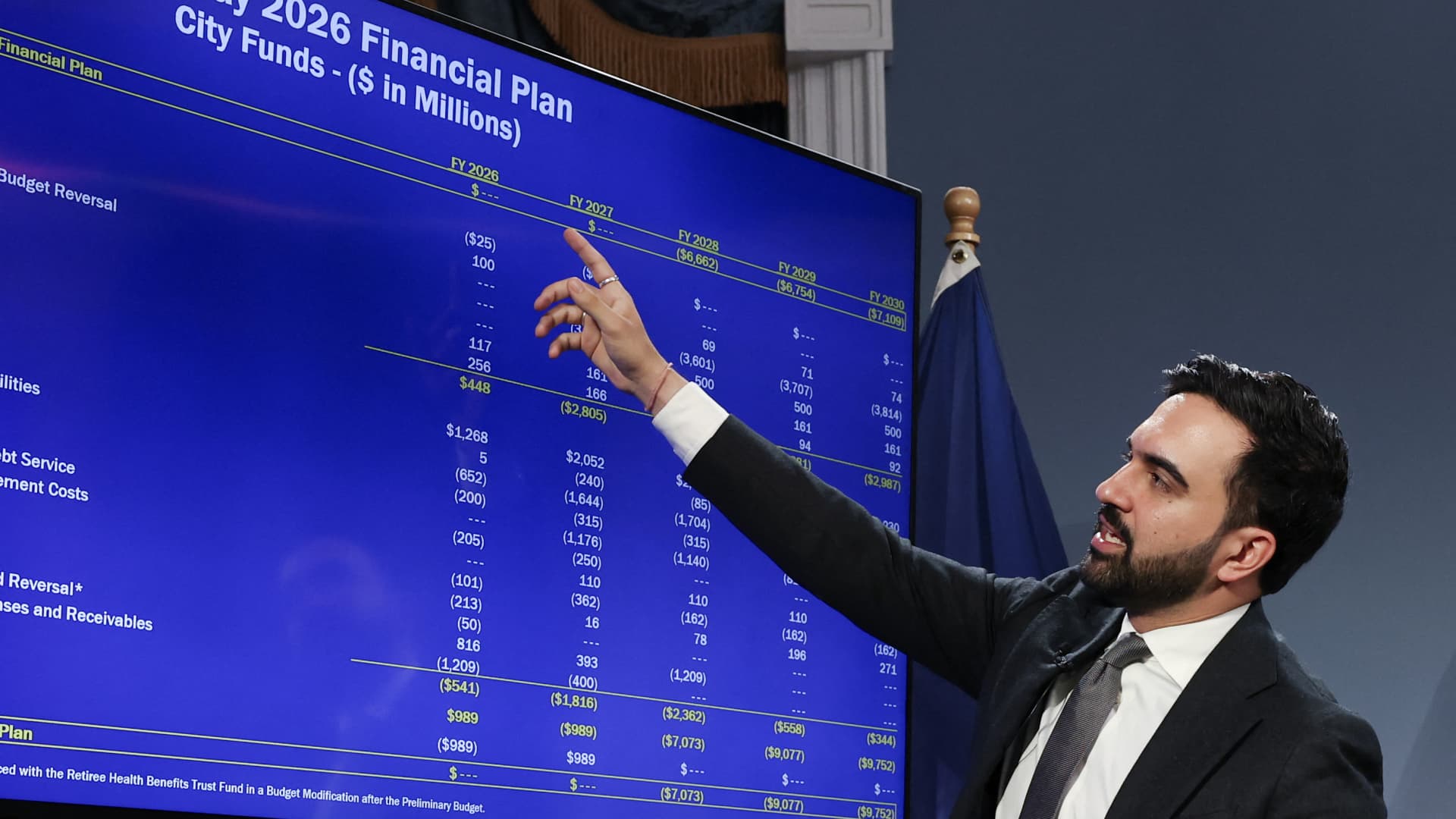
New York City is just the latest example, with new Mayor Zohran Mamdani and New York State Governor Kathy Hochul supporting the tax as part of a state and city effort to make up a big budget hole. In a new budget proposal this week, Mamdani dropped plans to raise property taxes on many middle-class homeowners, a move that could have been a difficult one for Mamdani to politically stomach, but kept the pied-à-terre tax idea.
The idea has already resulted in a political crisis for the mayor after he posted a video standing outside the building where hedge fund billionaire Ken Griffin owns a unit, leading to well-known politically conservative Griffin’s first vocal pushback against Mamdani, and a threat to pull business from New York in the future. While that’s a tension that has been expected to percolate between the billionaire class and new socialist democratic mayor, real estate sales in the city remain strong. And there is a more fundamental question about this new form of property tax for New York to now contend with: does it work? There are existing examples from around the world to help in trying to answer it.