I went to Vienna and ate seven schnitzels over the course of three days. It was testament to how well they make the dish in the Austrian capital that I could have eaten more.
The origins of Wiener Schnitzel – a thin, breaded and pan-fried veal cutlet – remain unclear. Some scholars suggest the Viennese learned the art of breadcrumbing from Arab traders in Spain or from Ottoman Turkish besiegers. One legend supposes the pan-fried recipe was brought back from Italy by Field Marshal Joseph Radetzky von Radetz in the 1850s, though the equivalent dish of cotoletta alla Milanese differs from Wiener Schnitzel in using a bone-in veal chop rather than escalope.
The schnitzel at Praterwirt © Pixie Wu
Czech writer Joseph Wechsberg wrote that the test of a good schnitzel was that it shouldn’t leave a grease stain on your trousers if you sat on it. I didn’t put that litmus to the test, but the ones I sampled were consistently light, grease-free and elegant. What, I wondered, was the secret?
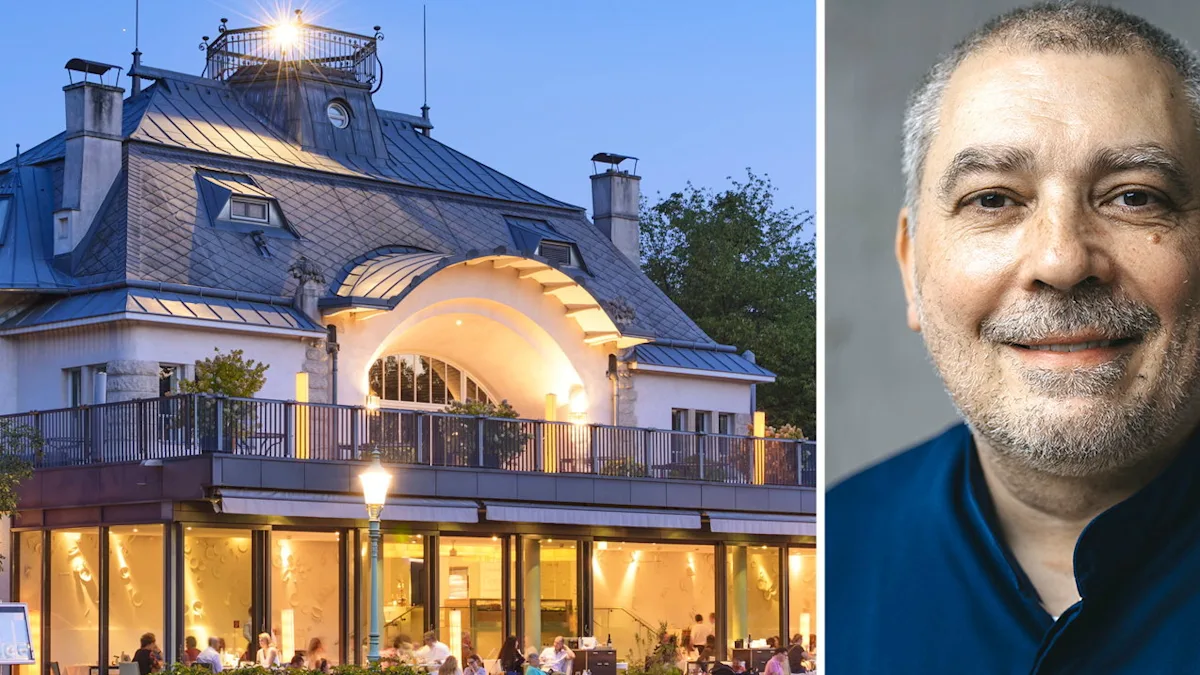
“Get the cut and quality of meat right,” says chef Stefan Beyer of Praterwirt, a restaurant and butcher’s shop on Praterstrasse. It uses 180g of veal topside per person, which is generous (the schnitzel almost spills over the plate). For similar tenderness, loin or rump would work. Pork and chicken are also common: the pork version is properly called “Wiener Schnitzel vom Schwein” (“from pork”) and other variants “Schnitzel Wiener Art” (“Viennese-style”).