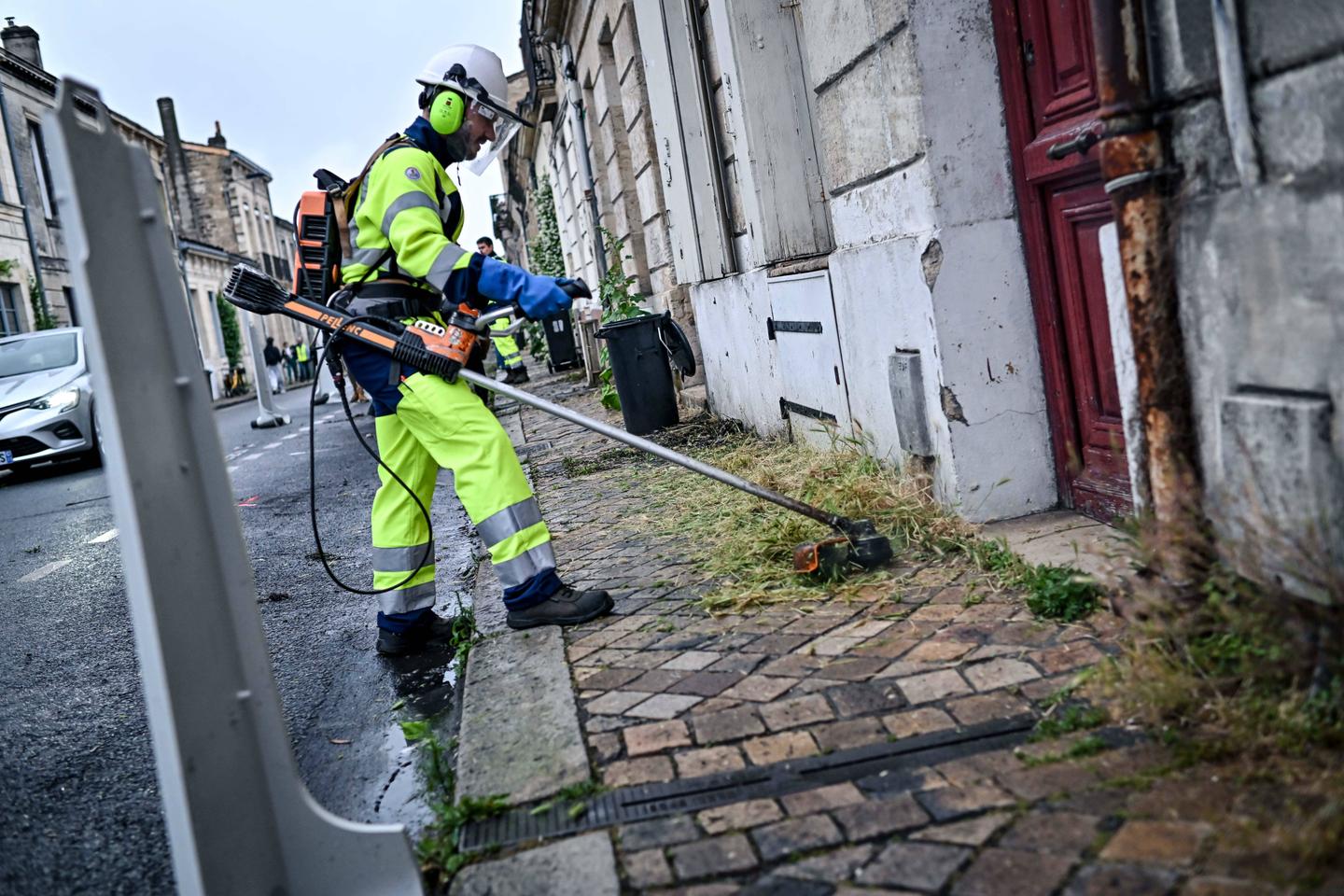
A municipal worker weeds the sidewalks following the campaign launched by the mayor of Bordeaux, Thomas Cazenave, on Rue Pelleport, May 4, 2026. UGO AMEZ/SIPA
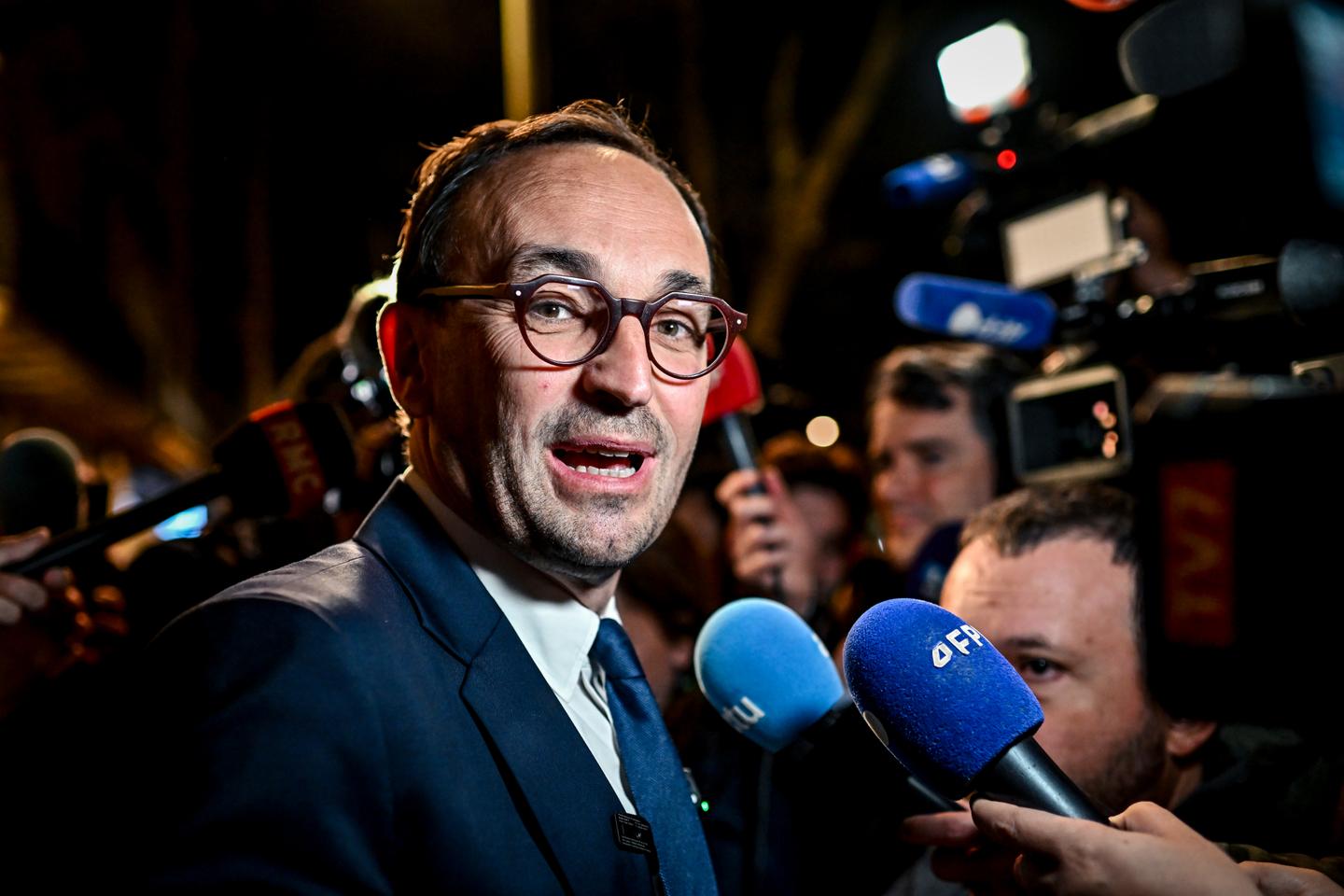
How much space should cities leave for vegetation sprouting in the cracks and corners? In Bordeaux, new centrist mayor Thomas Cazenave has made eradicating them one of his top priorities, alongside restoring citywide nighttime street lighting. On Monday, May 4, city hall shared a video showing municipal workers in fluorescent yellow gear using brush cutters and hoes to tackle the problem.
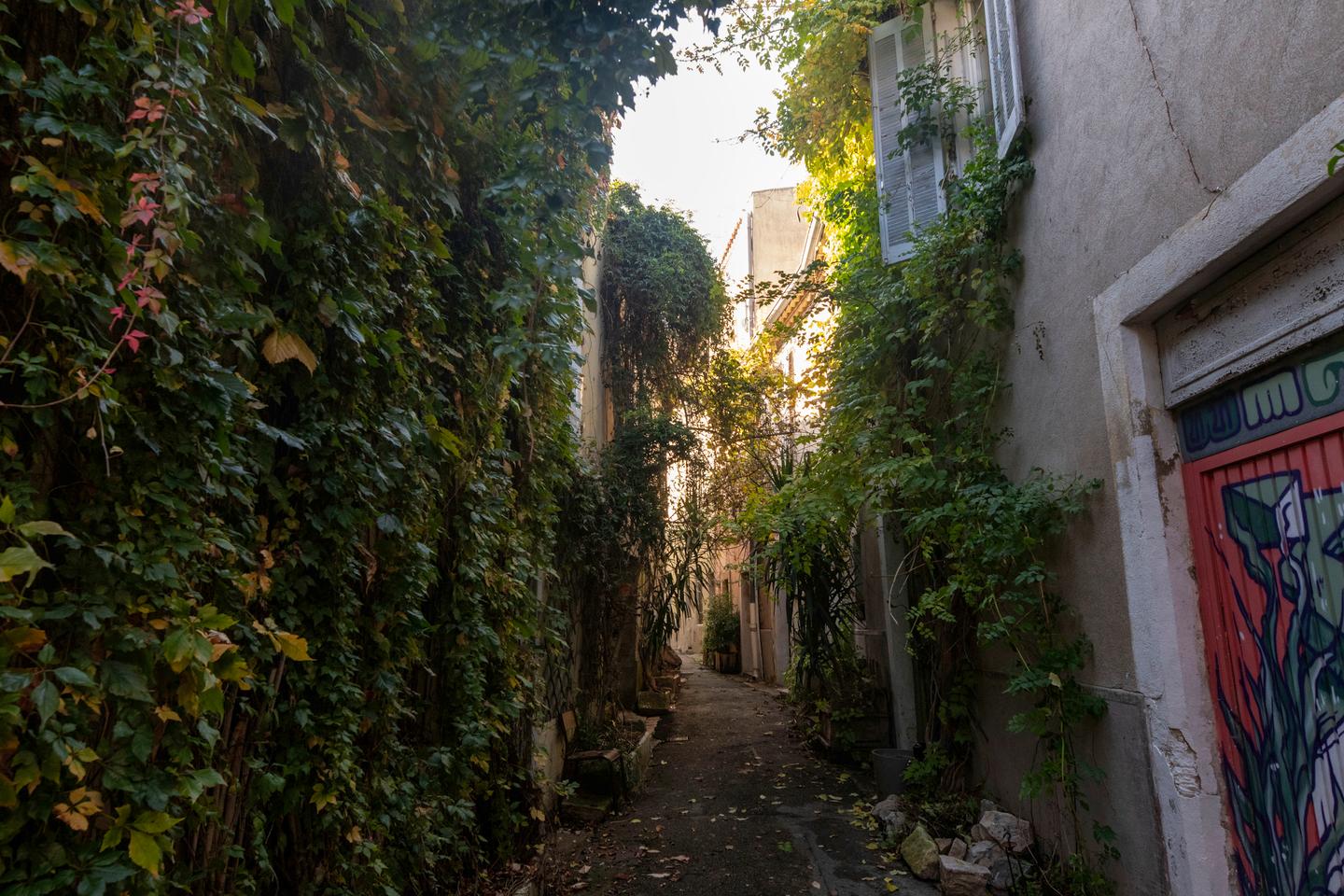
For the new administration, it is a matter of ending the "weed" problem, said Fabien Robert, the mayor's deputy for tourism and historical heritage, in a video posted on social media. "For years, we deliberately let wild grasses proliferate around the Palais Rohan [City Hall of Bordeaux]," he said.
The clean-up operation targets 80 streets "identified as heavily overgrown with wild vegetation," and will run for two months and be repeated in the fall. The goal: "To clear pedestrian areas and make it easier for strollers and people with reduced mobility to get around."
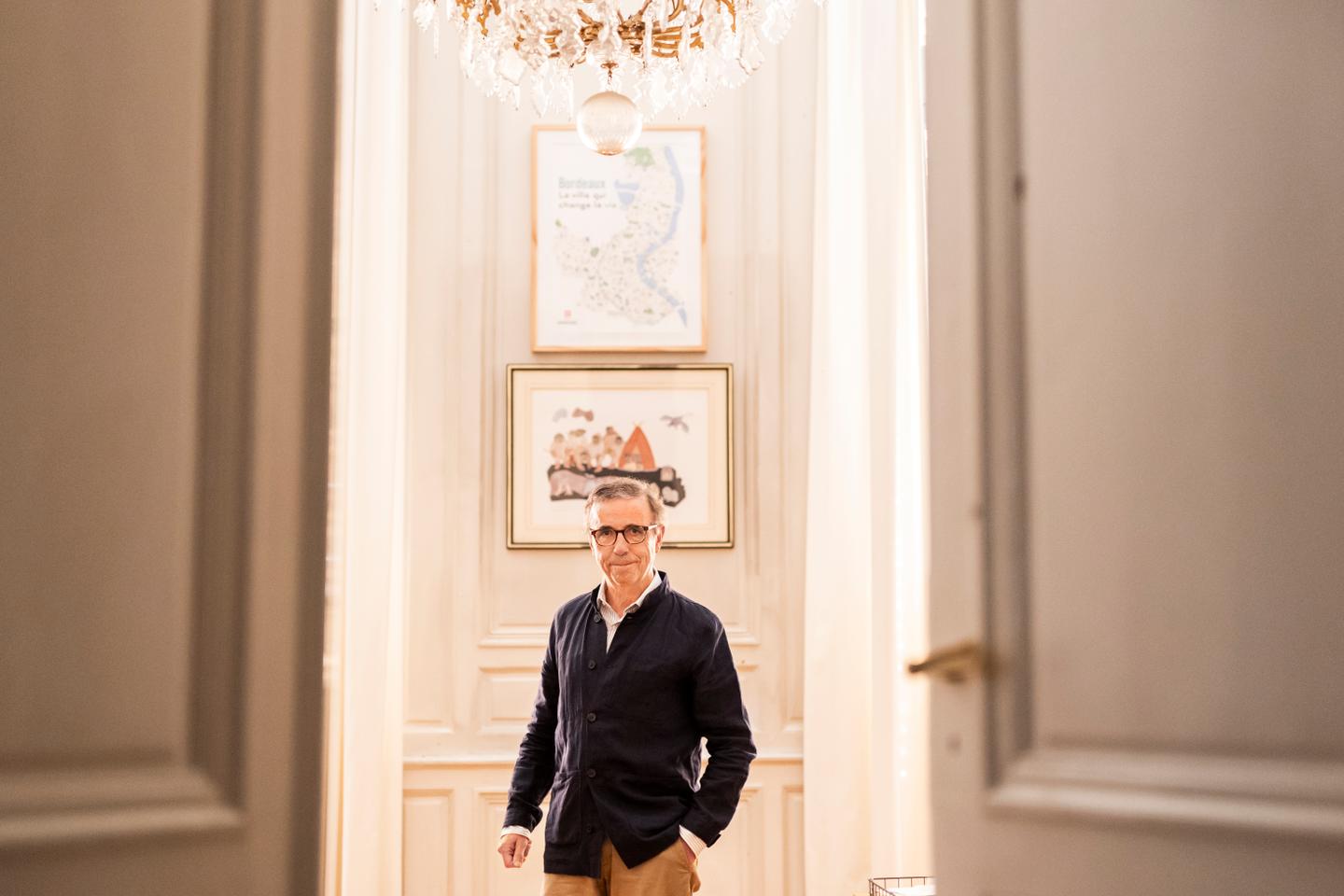
The previous Green-led administration under Pierre Hurmic allowed plants to grow freely, though it denied neglecting maintenance. "The sidewalks were already maintained under the previous administration. There were annual weeding campaigns wherever pedestrian traffic was impeded," said Stéphane Pfeiffer, then deputy mayor for urban planning. Now a member of the opposition, he said he is concerned about the cost of this measure, which he estimates at nearly €400,000.