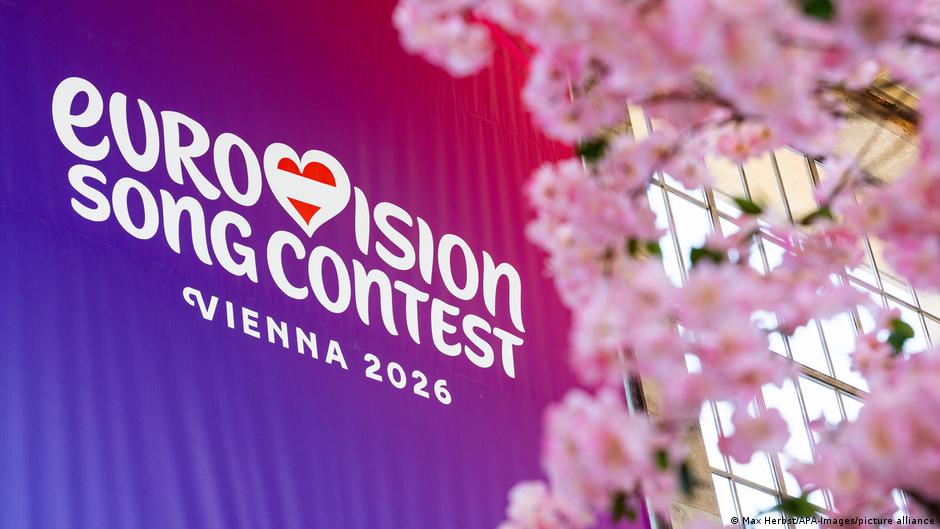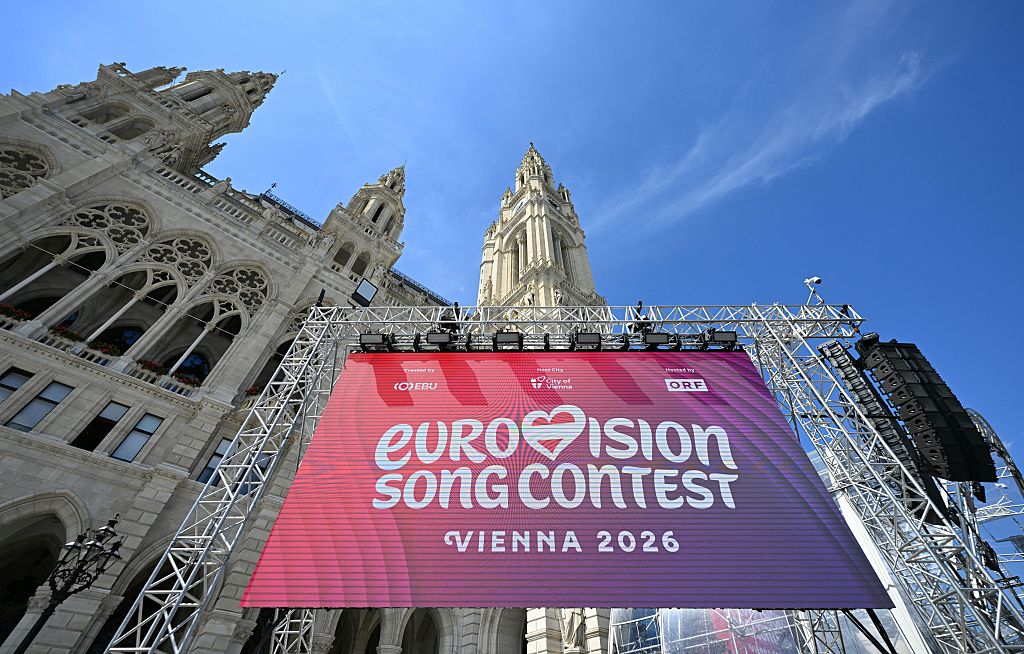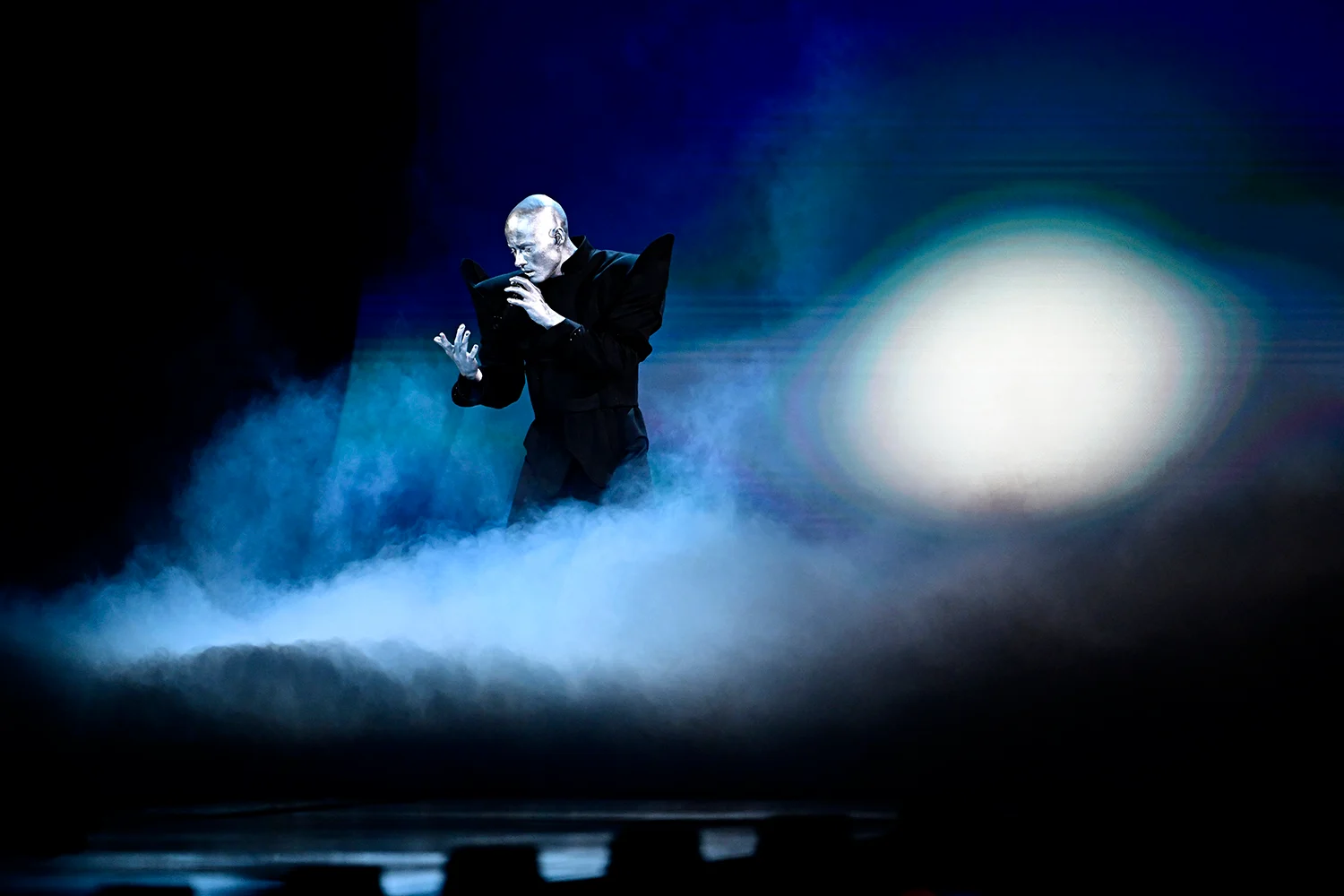
The organisers of the Eurovision song contest have always maintained that they want to keep politics out of the event.
In practice, however, politics has always played a major role, with rows over international affairs, human rights and domestic unrest popping up each year.
The 1974 Carnation Revolution in Portugal that overthrew the country's dictatorship and led to independence for its African colonies was sparked off by the airing of Portugal's Eurovision entry for that year, E depois do adeus ("And After the Farewell"), by Paulo de Carvalho.
In 2009, authorities in Azerbaijan interrogated 43 people after they voted for Armenia's entry in the contest that year, while Ukraine and Russia regularly jibed at each other over the latter's invasion until Russia was expelled in 2022.
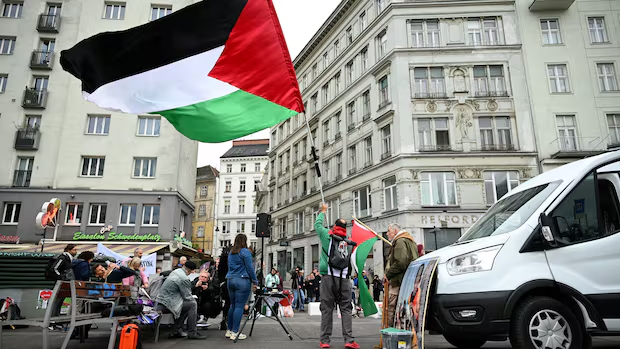
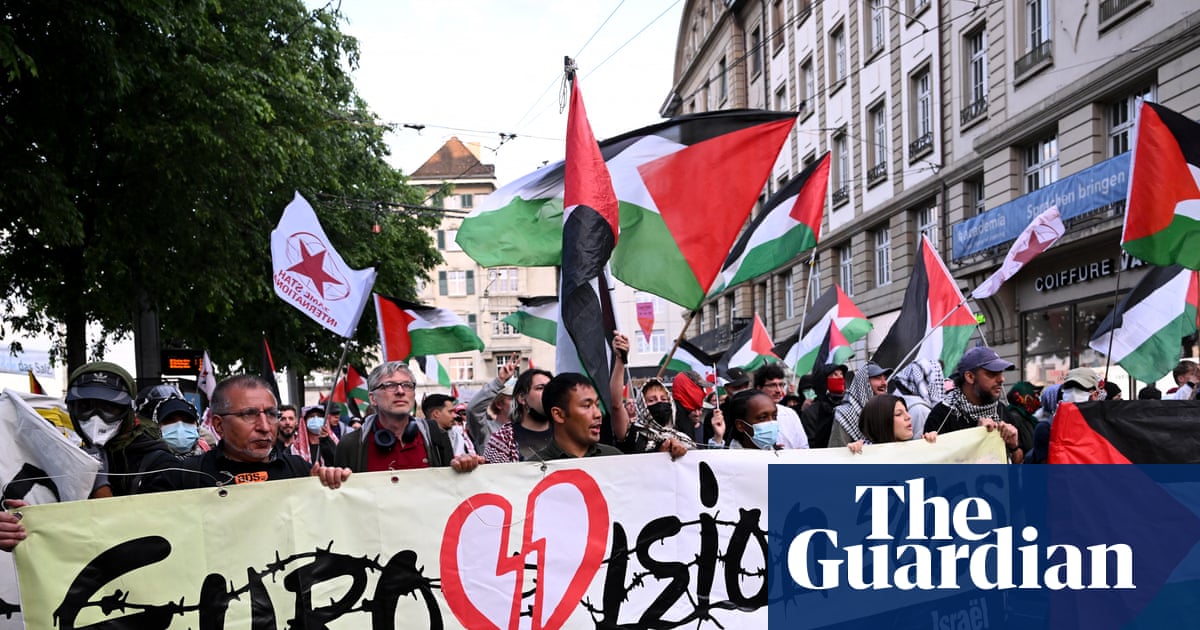
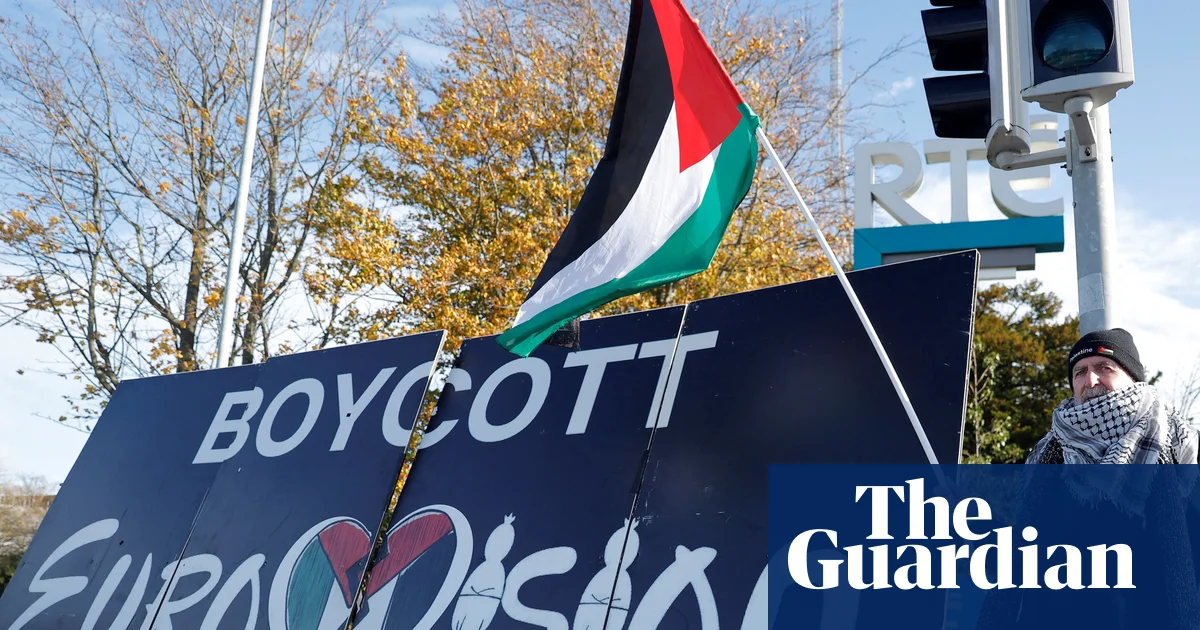
But arguably the biggest political controversy in the contest has been around Israel's participation since the beginning of the genocide in Gaza in October 2023.