Decision by four countries to pull out over Israel’s inclusion is significant for the contest but crisis may not be existential
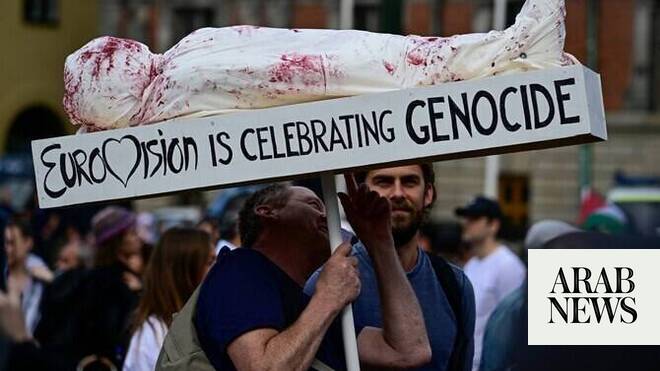
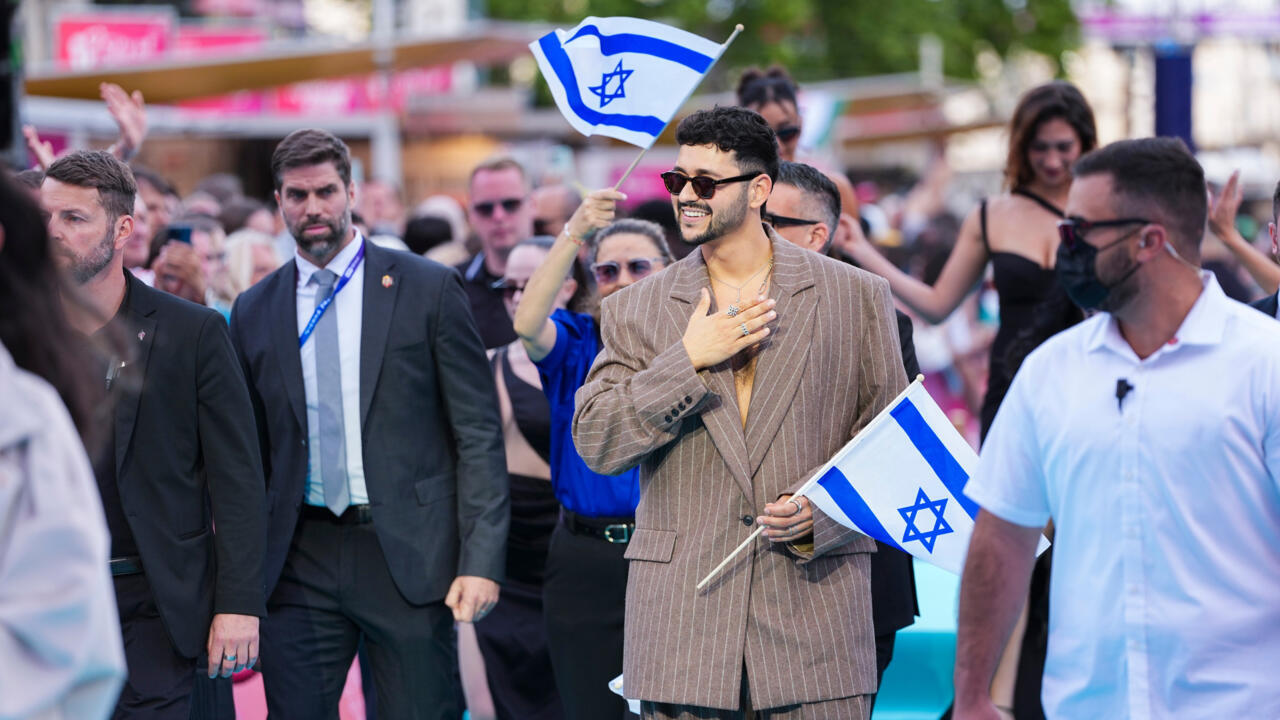
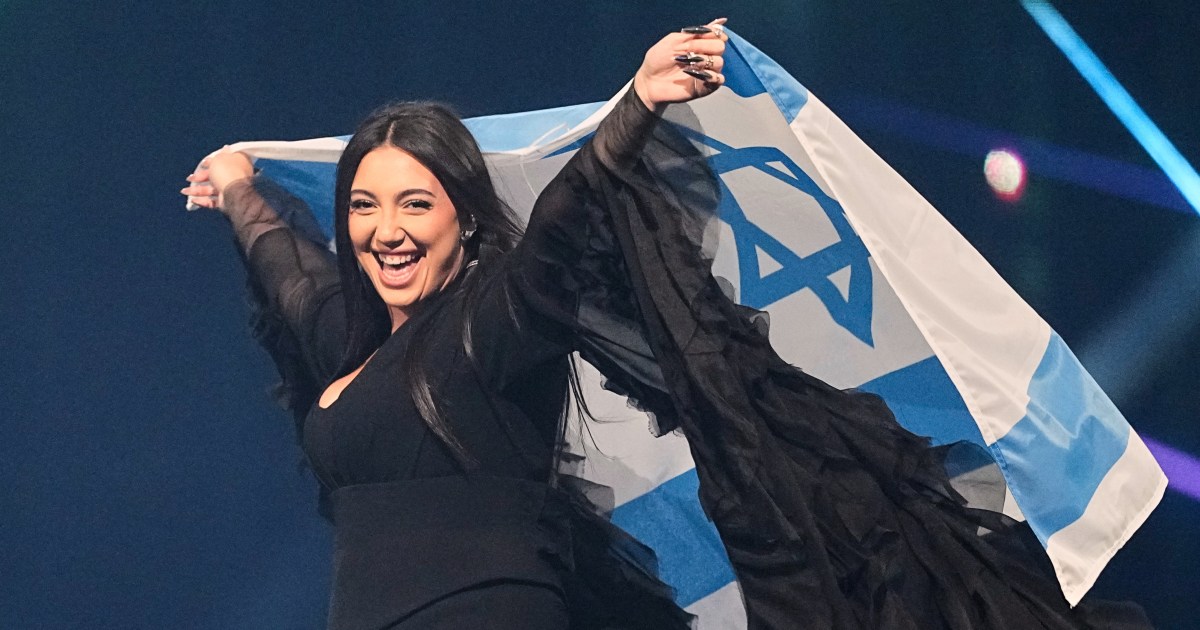
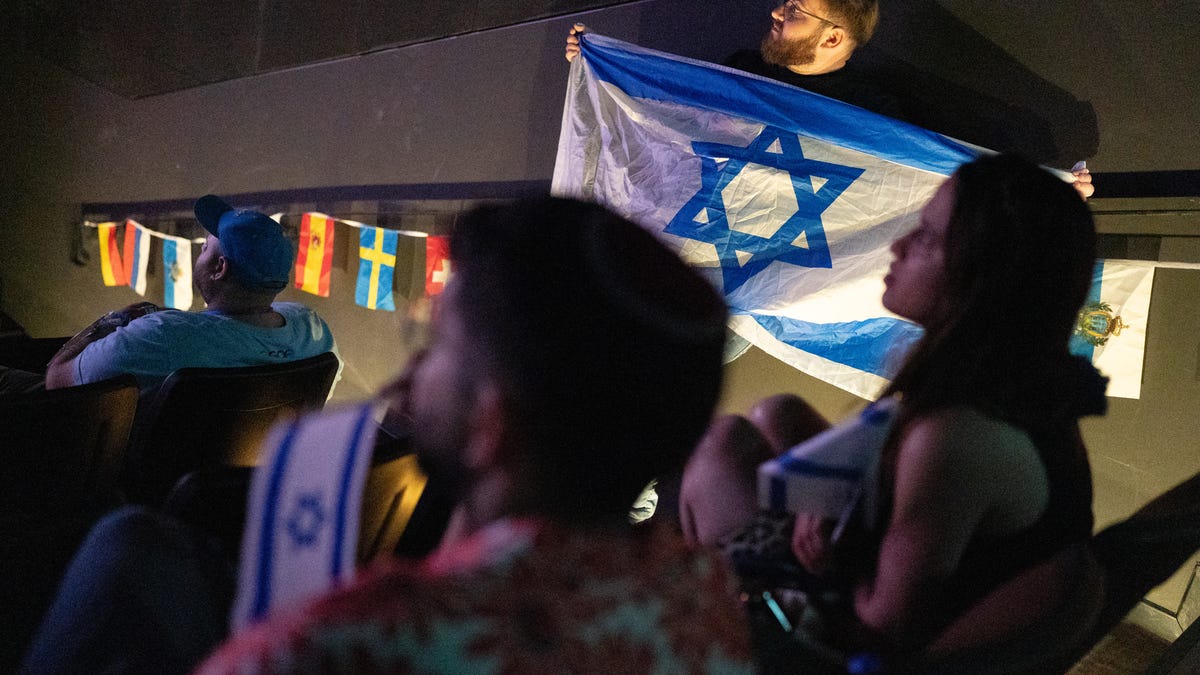
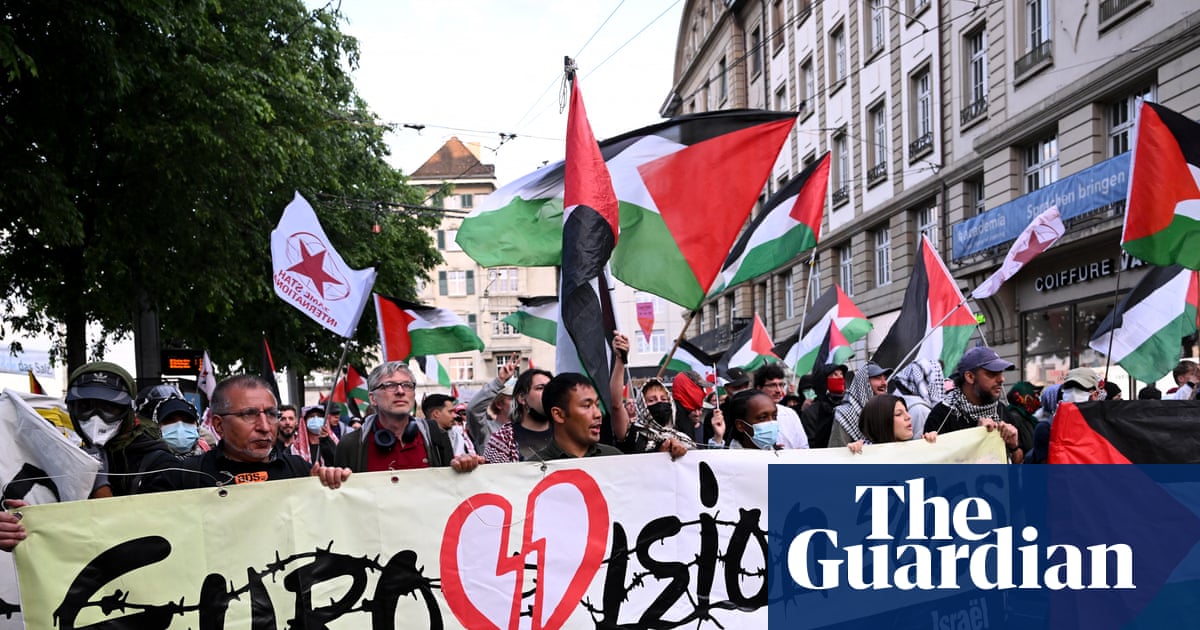
The decision by four European broadcasters to boycott next year’s Eurovision over Israel’s inclusion is undoubtedly a watershed moment in the 70-year history of the song contest.
One of the few genuinely popular, non-elitist and pan-European cultural events will be without Spain, one of the “big five” nations in terms of financial contributions; Ireland, which has won the contest more times than any other country bar Sweden; 1956 founding member the Netherlands; and Slovenia, symbolic of the EU’s eastward enlargement.
And with only a shaky ceasefire in Gaza and Israel’s broadcaster KAN showing no sign of retreating of its own accord, this may well be the state of play for some time to come.
At the same time, political boycotts are anything but new to the world’s largest live music event, whatever its organisers say about the competition’s supposedly apolitical nature.