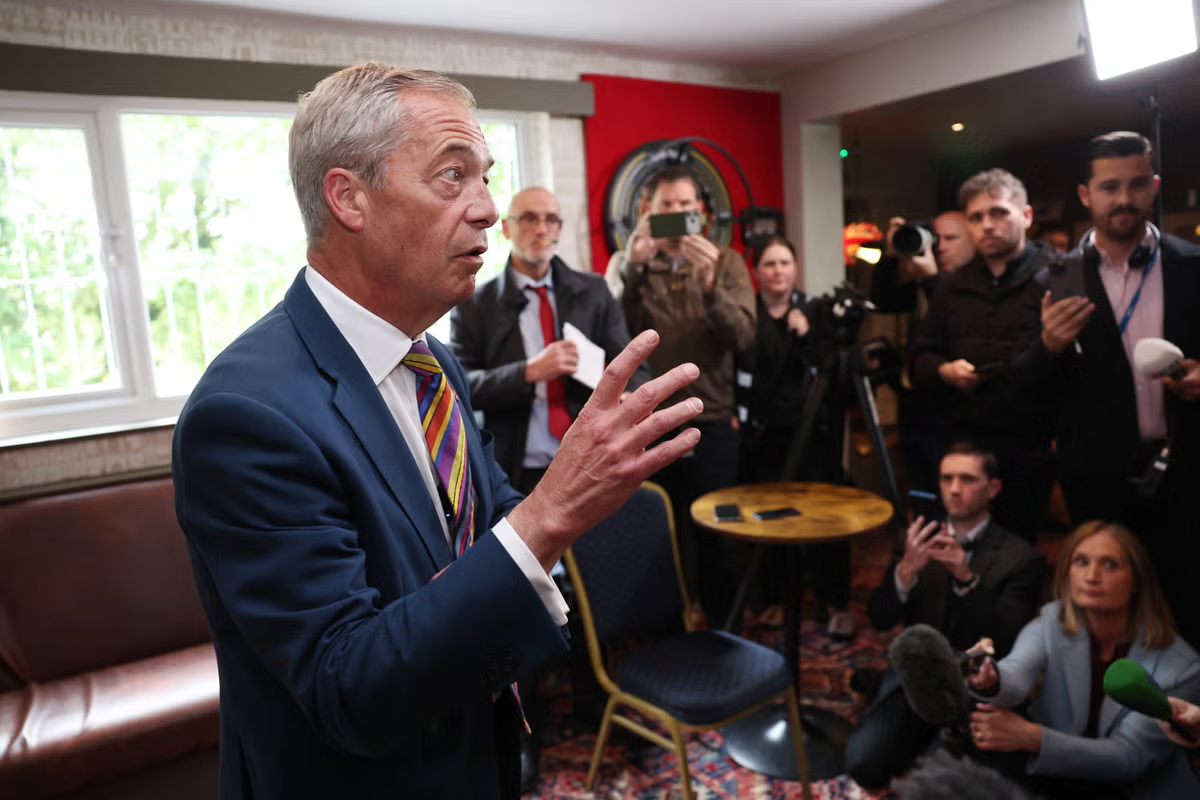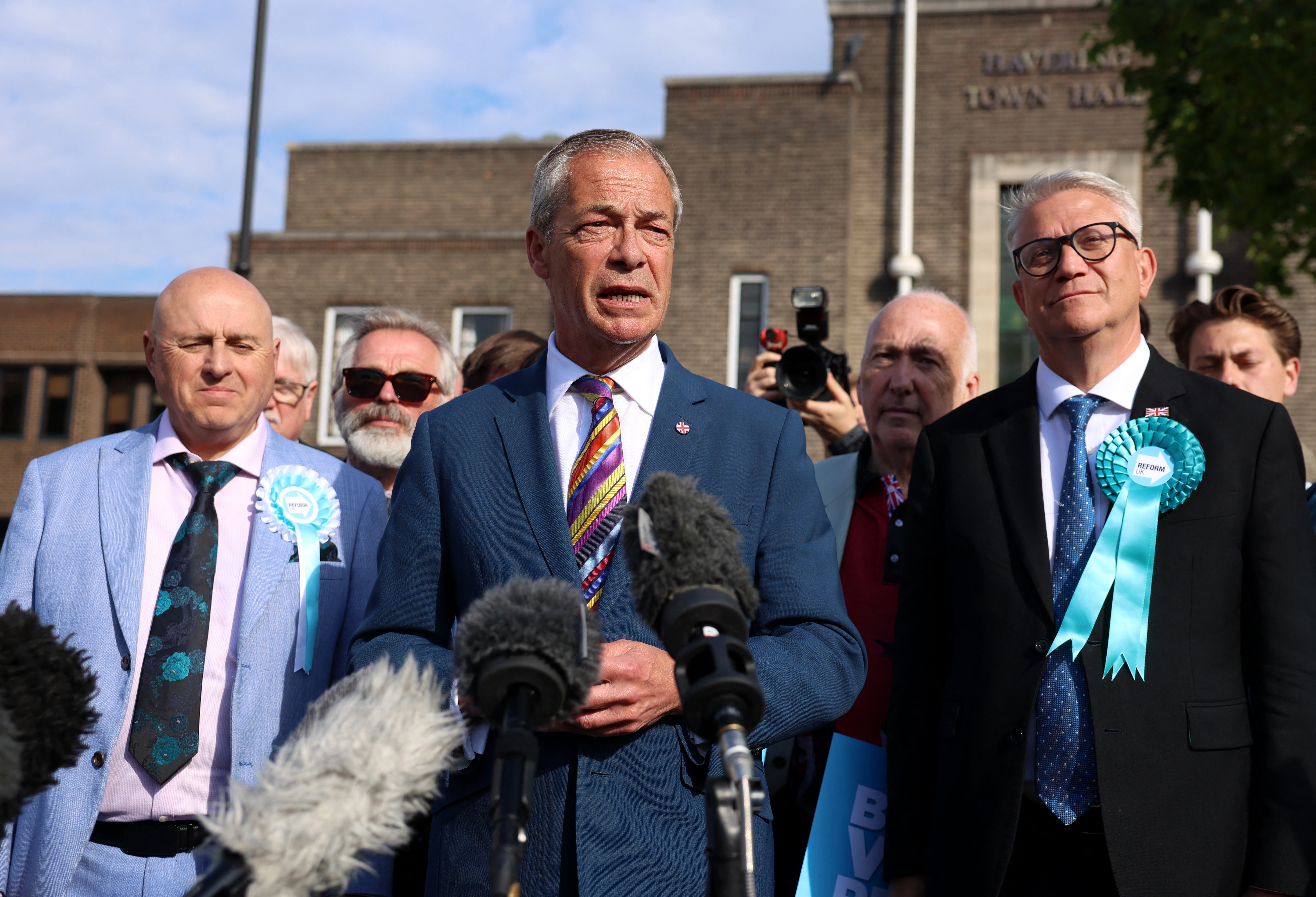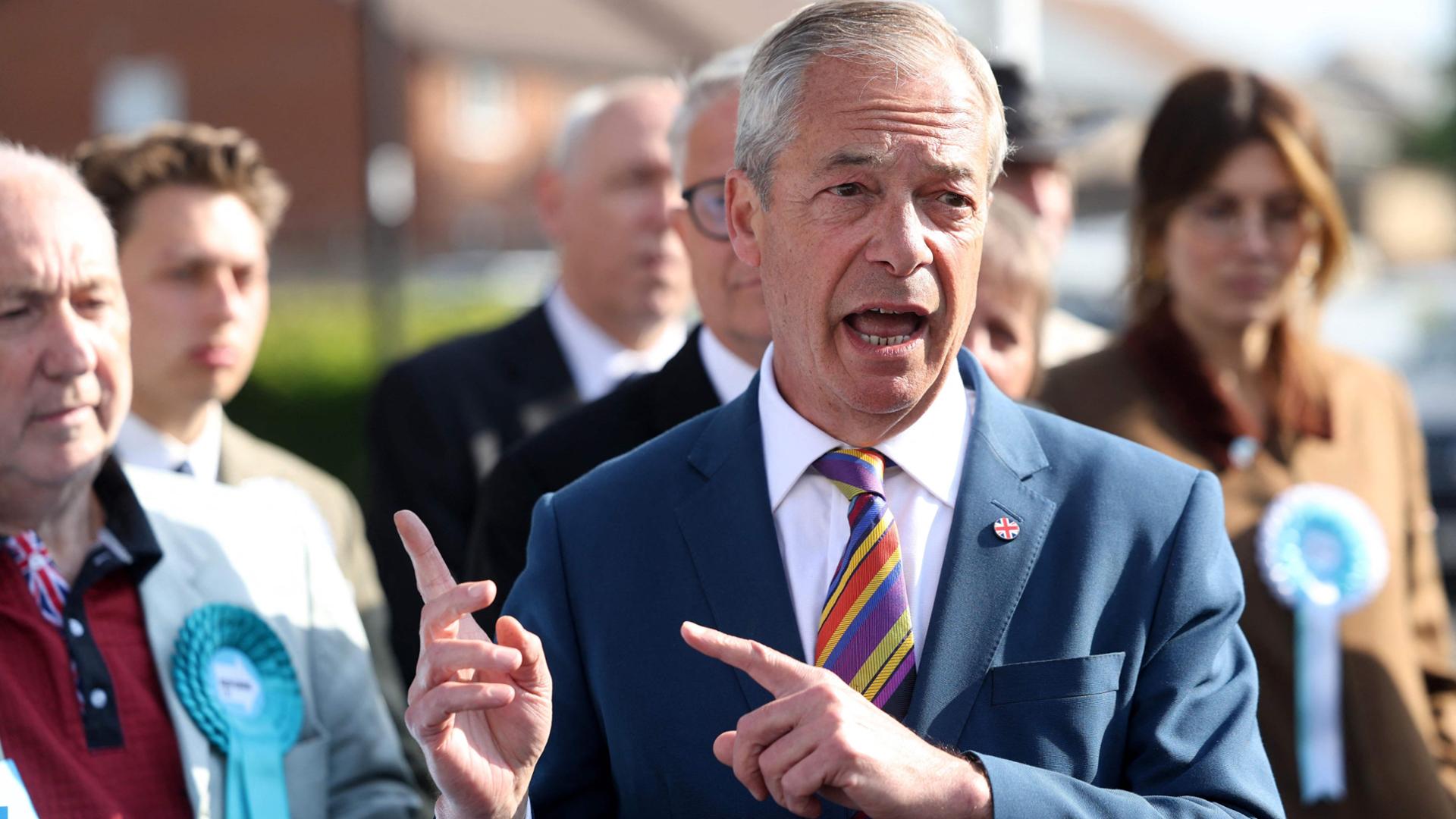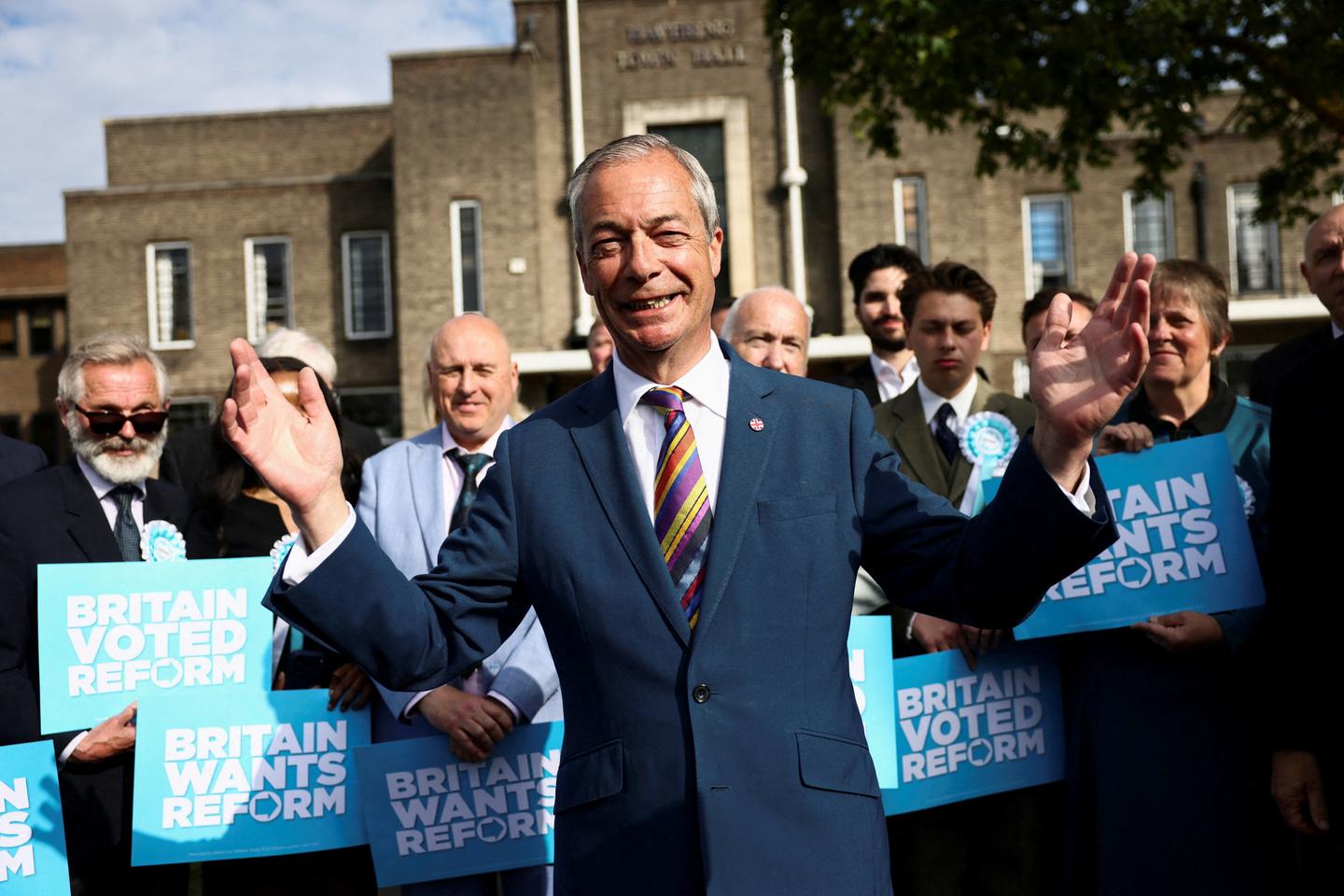
Nigel Farage, leader of Reform UK, alongside newly elected councilors at Havering Town Hall, London, May 8, 2026. JACK TAYLOR/REUTERS
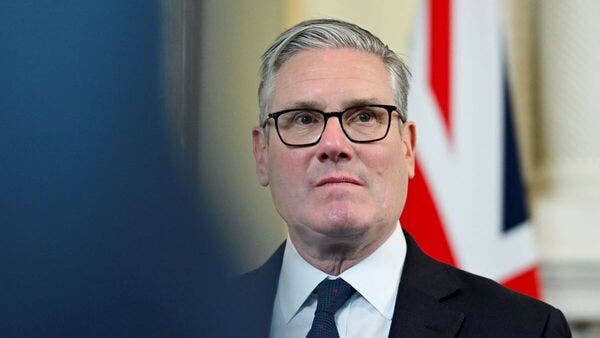
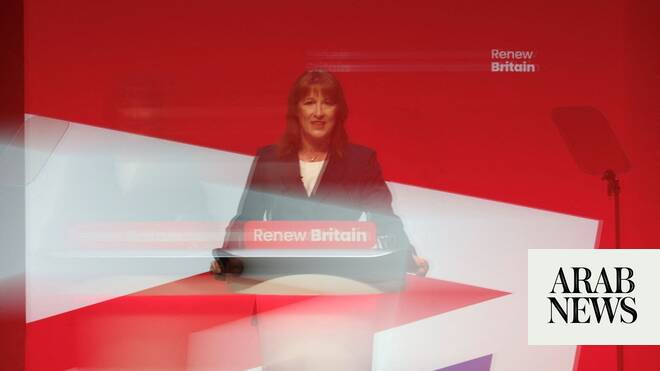
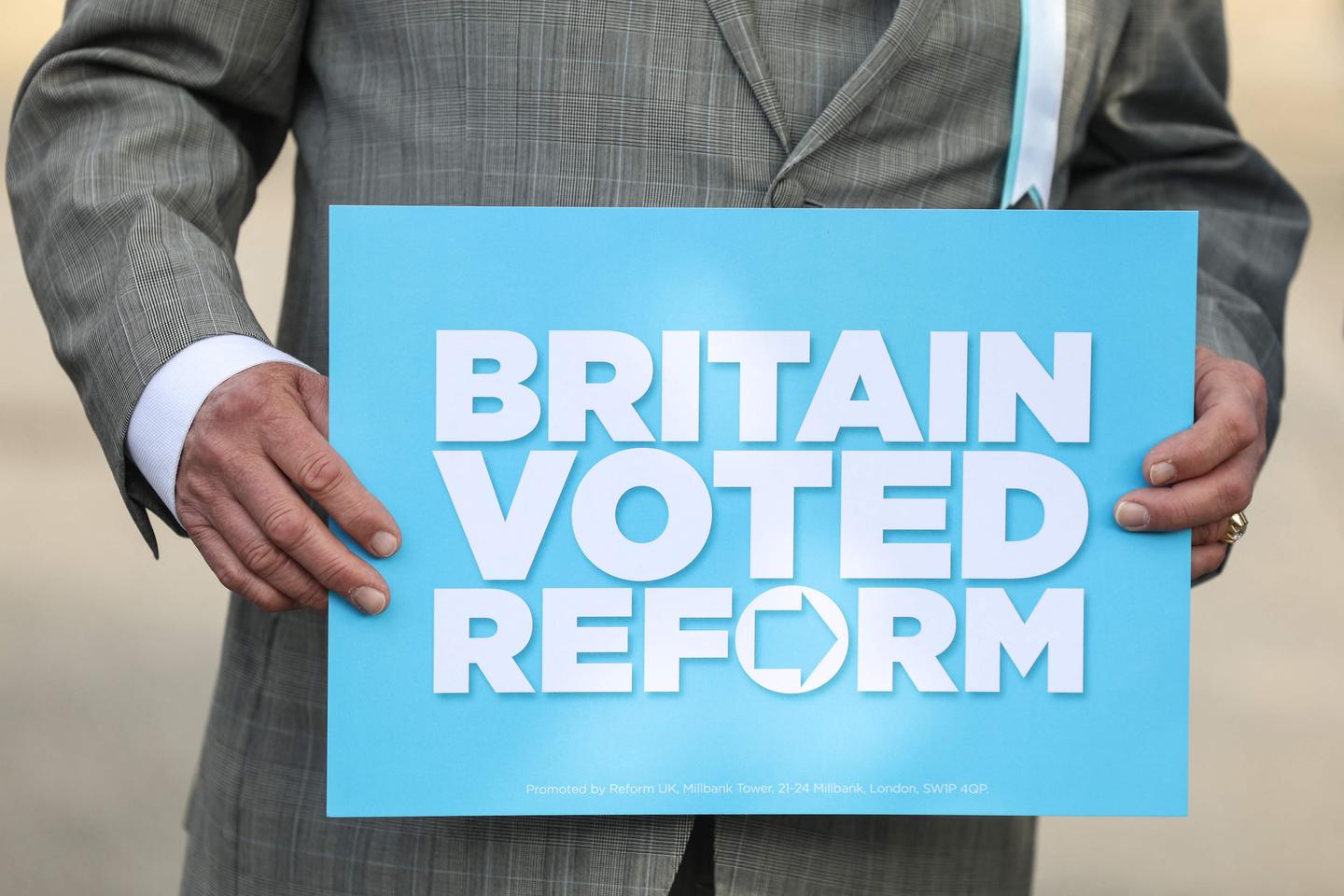
The triumph of the far-right Reform UK party, the collapse of the Labour Party – including in its northern England and Welsh heartlands, where it had won every election for a century – marked the Thursday, May 7, elections in the United Kingdom. This was the first major test since the July 2024 general election, which saw Labour return to power, and the results proved disastrous for Prime Minister Keir Starmer.
Several elections took place simultaneously and results were still not final as of late Friday afternoon. More than 5,000 council seats were up for grabs in England across 136 local authorities. In Scotland, voters elected a new regional Parliament in Edinburgh, which holds extensive legislative powers. In Wales, voters also renewed their regional Parliament (the Senedd), with a significant change: The number of MPs increased from 60 to 96 due to a fully proportional voting system.
By the end of Friday, Labour had already lost hundreds of seats and control of emblematic councils such as Hartlepool – one of the poorest towns in northeast England – and Tameside, another traditional Labour bastion in the northwest, where Reform UK claimed most council seats.