Scottish and Welsh nationalism will be further radicalised if Reform UK sets the tone of debate over inclusion in the British state
Keir Starmer has neither a heartland nor a stronghold. That is the picture likely to emerge once all the votes in this week’s local and devolved elections have been counted.
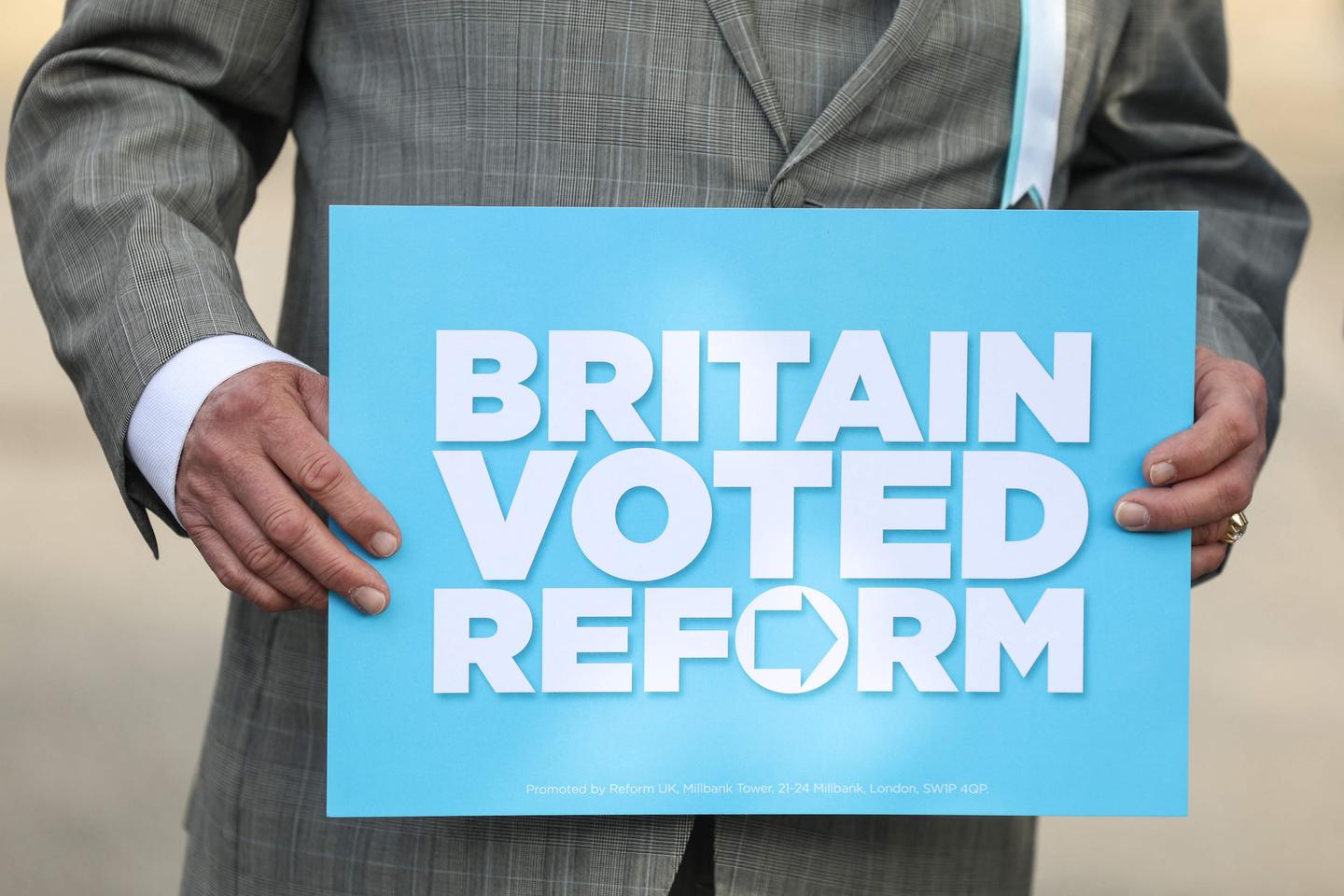
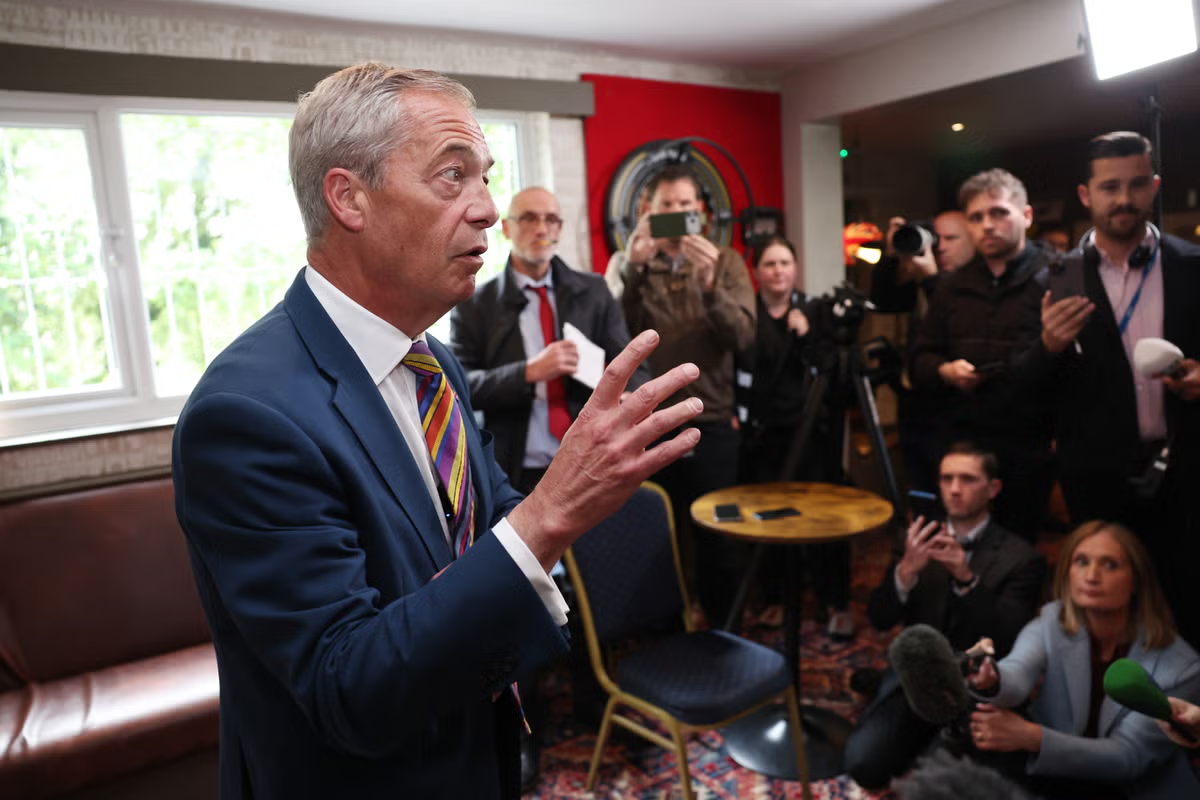
Council seats in Labour’s traditional northern-English working-class base will fall to Reform UK. Parts of inner London, where the electoral map has been red for decades, will go Green.
The Scottish National party will still be the biggest party at Holyrood, thwarting Labour’s hopes of ending its banishment from power there. If opinion polls are not mistaken and Plaid Cymru becomes the largest party in the Senedd, it will bring an epic run of Labour dominance in Welsh politics to an end. The party hasn’t been in opposition since the formation of a devolved assembly in 1999. And that record reflects a cultural primacy dating back a lot further.
Northern Ireland and Scotland already have first ministers whose parties are opposed to union with England. Wales will join that number if Plaid’s nationalist leader, Rhun ap Iorwerth, forms the next government at Cardiff Bay.