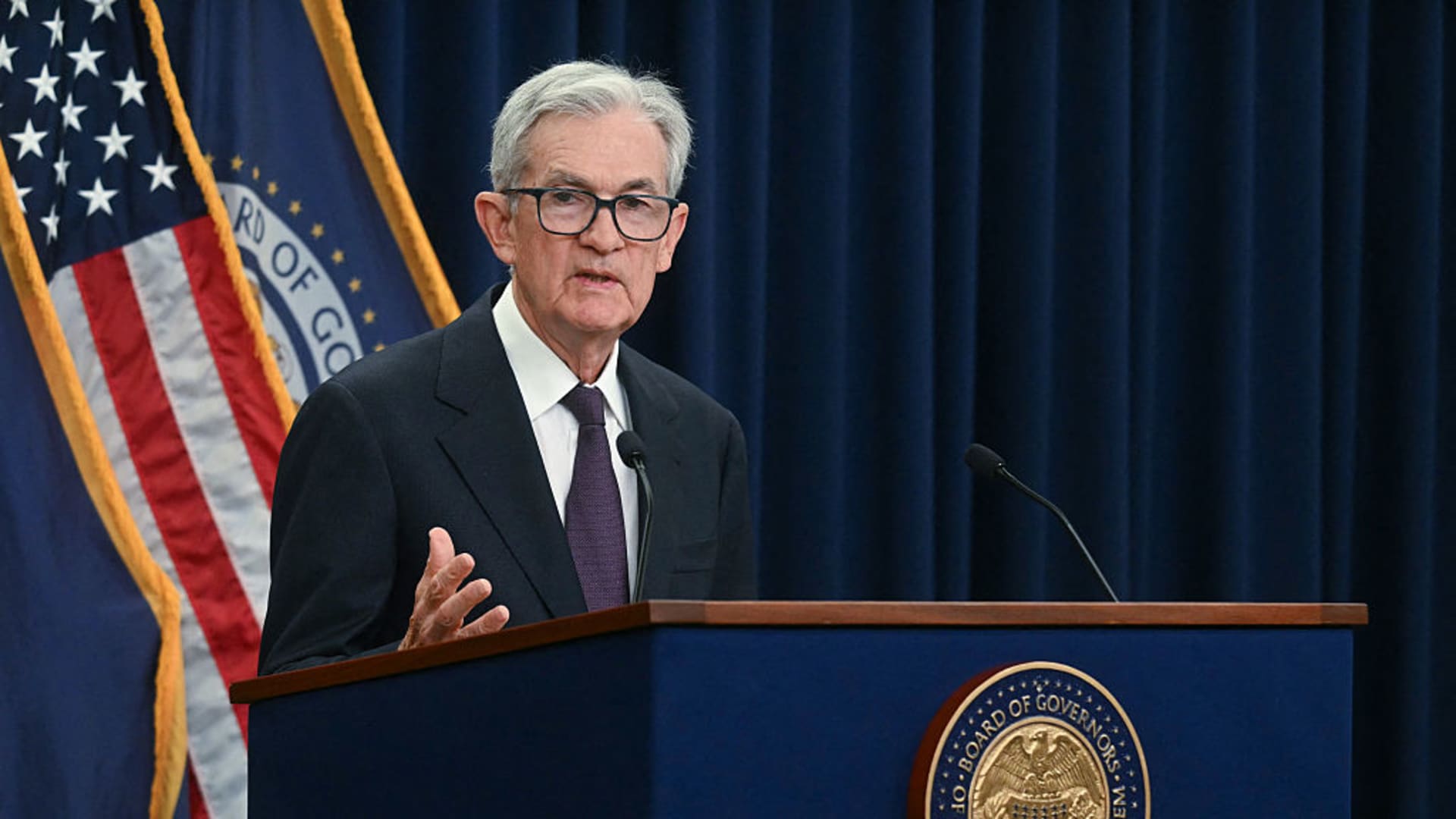
If the Federal Reserve still has any reasons to cut interest rates in the near future, they’re getting harder and harder to find.
Friday’s jobs report for April provided the latest evidence that the central bank’s larger concern isn’t a flagging labor market but rather a cost of living that is getting increasingly harder for ordinary Americans to bear.
The nonfarm payrolls increase of 115,000 last month is hardly gangbusters, but is another sign that the jobs picture has stabilized at least enough to reduce the pressure for rate cuts.
By comparison, there is scant evidence to say the same for inflation, likely pushing the rate-setting Federal Open Market Committee into a more hawkish posture where officials are comfortable staying where they are for a prolonged period.
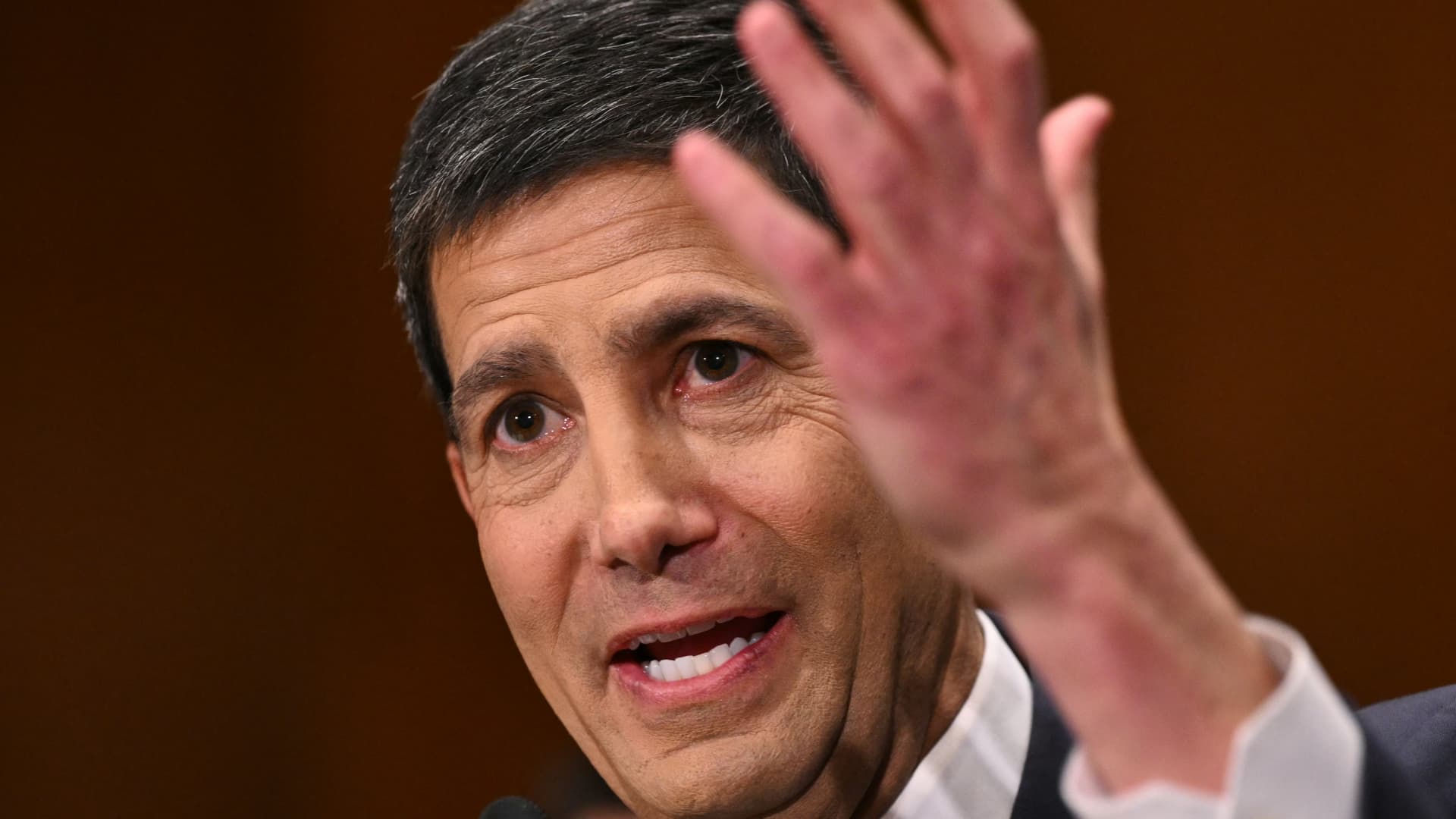
“The Fed will shift its focus to containing upside inflation risks now that the labor market appears back on track,” said Lindsay Rosner, head of multi-sector fixed income at Goldman Sachs Asset Management. “The FOMC could well feel compelled to remove the easing bias from its next post-meeting statement in June, which would suggest the hawks are gaining the upper hand on the committee for the time being.”