In the Federal Reserve’s battle between fighting inflation and limiting unemployment, the latter side carried the day Wednesday and could also have an edge heading into 2026 if labor market weakness becomes more evident through an apparent overcounting of jobs numbers.
In the immediate term, worries over the employment situation meant a vote, albeit divided by a 9-3 margin, to lower the central bank’s key interest rate by a quarter percentage point. Further down the road, there are indications that policymakers will be more inclined to cut further if the labor market stays soft.
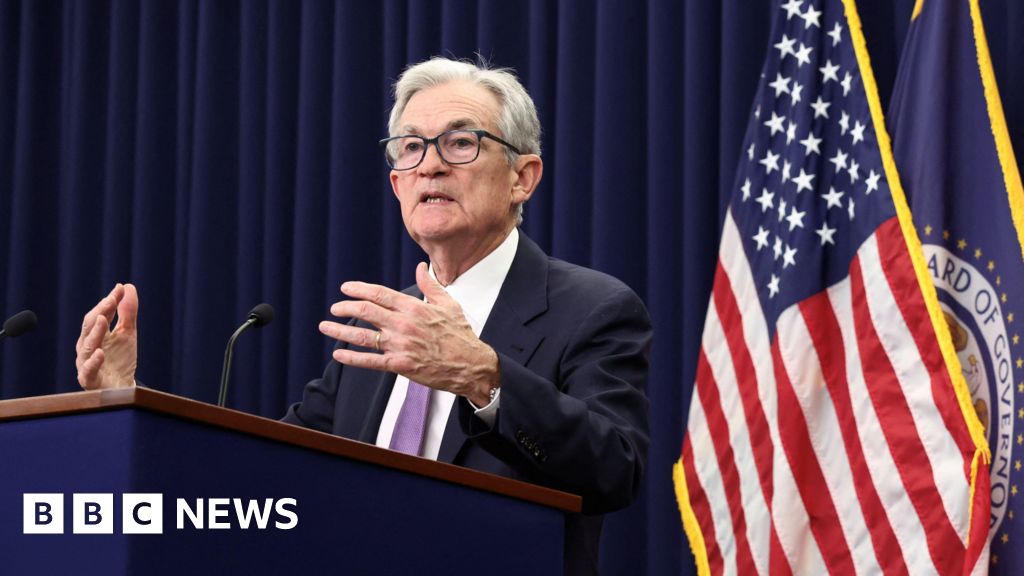
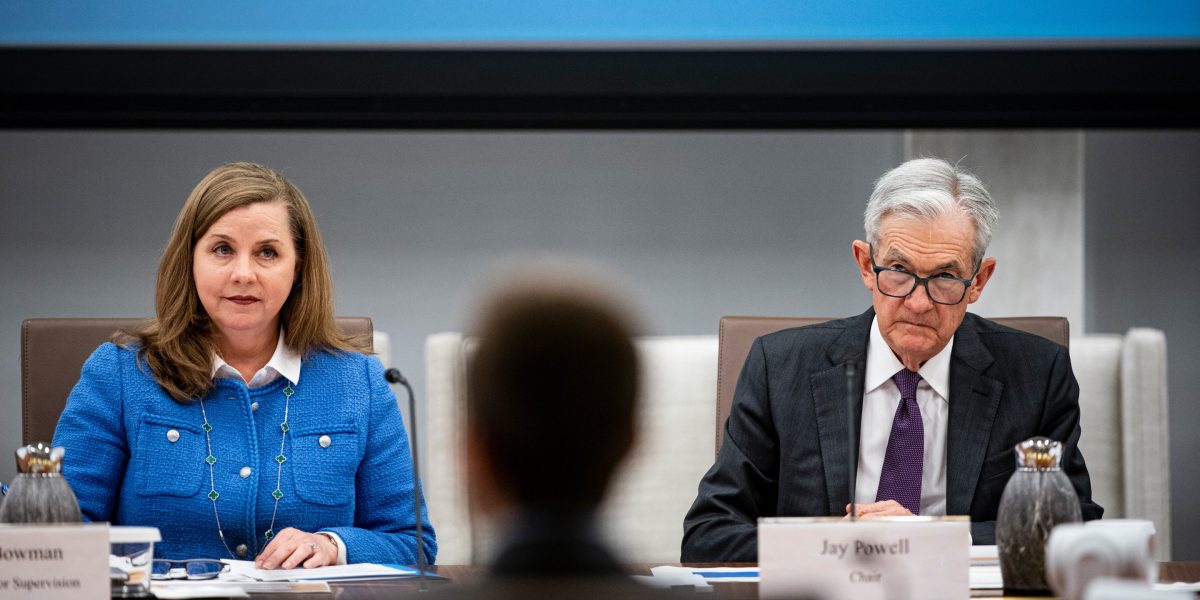
At his Wednesday news conference, Chair Jerome Powell mentioned several times that there likely has been negative job growth in recent months, a condition that would argue for easier monetary policy.
“Gradual cooling in the labor market has continued,” Powell said. “Surveys of households and businesses both show declining supply and demand for workers. So, I think you can say that the labor market has continued to cool gradually, just a touch more gradually than we thought.”
At issue is a monthly estimate the Bureau of Labor Statistics performs of how the labor market is affected by businesses closing and opening. The estimate, known as the birth-death model, takes a guess at the jobs gained by openings and lost by closings.