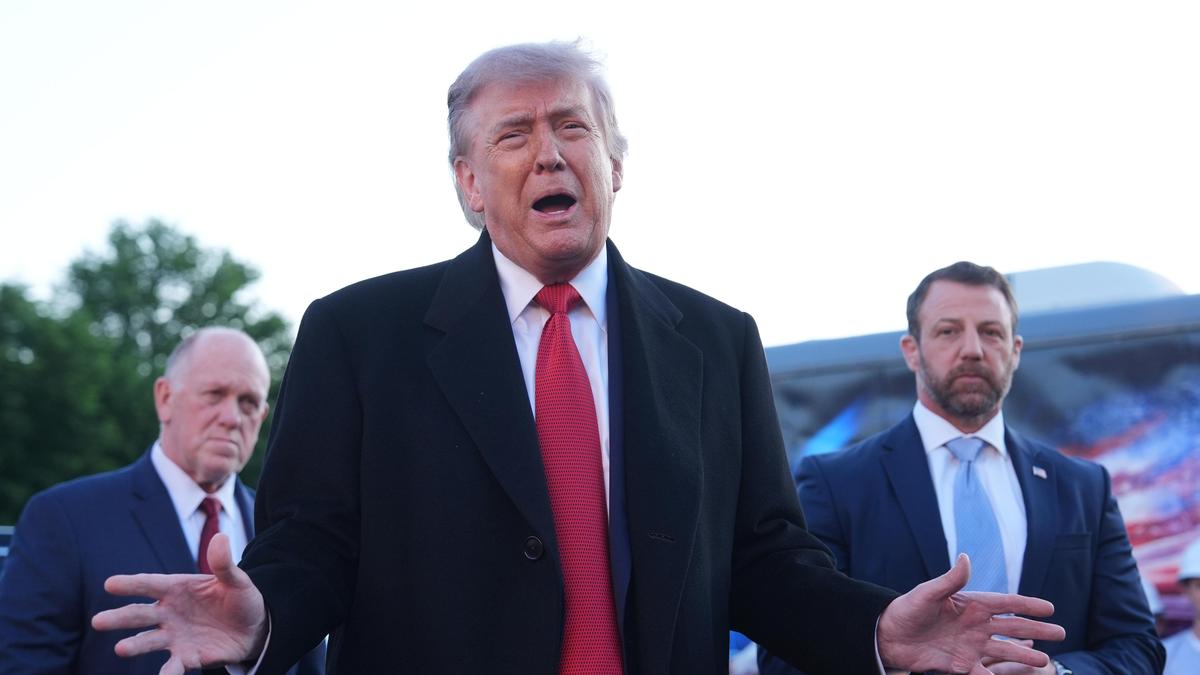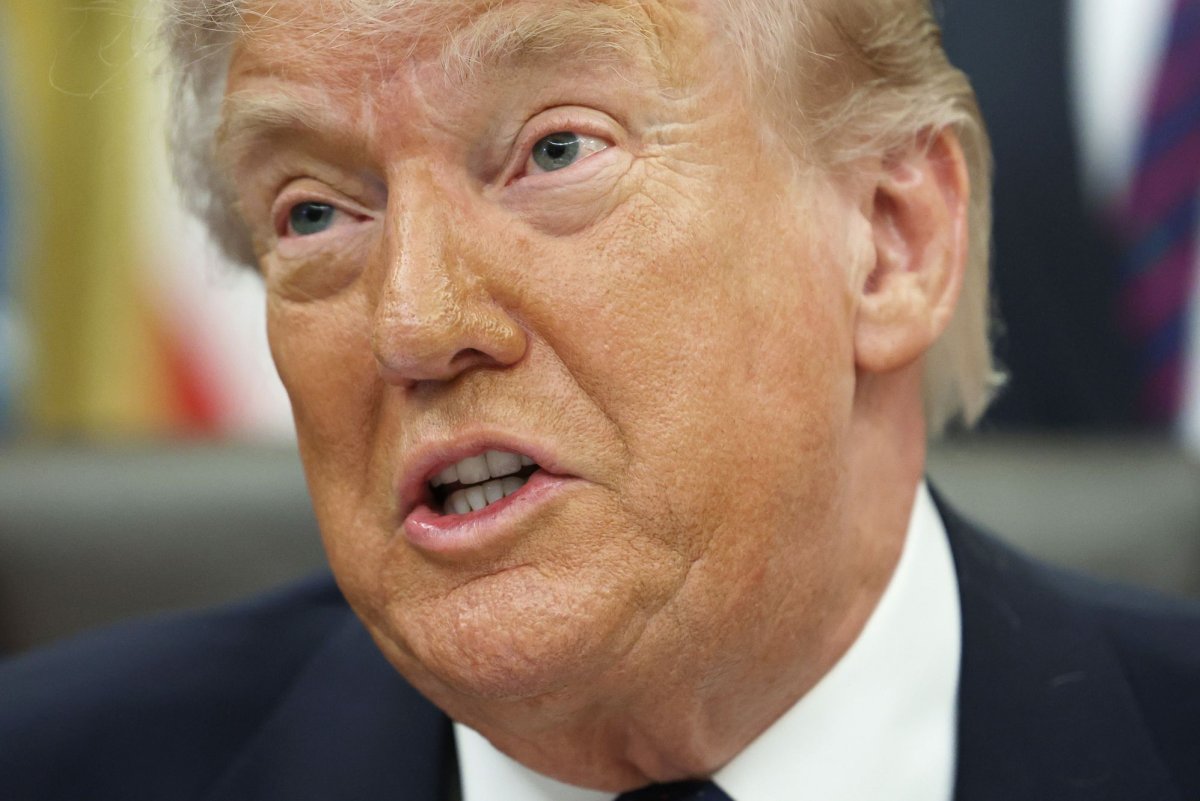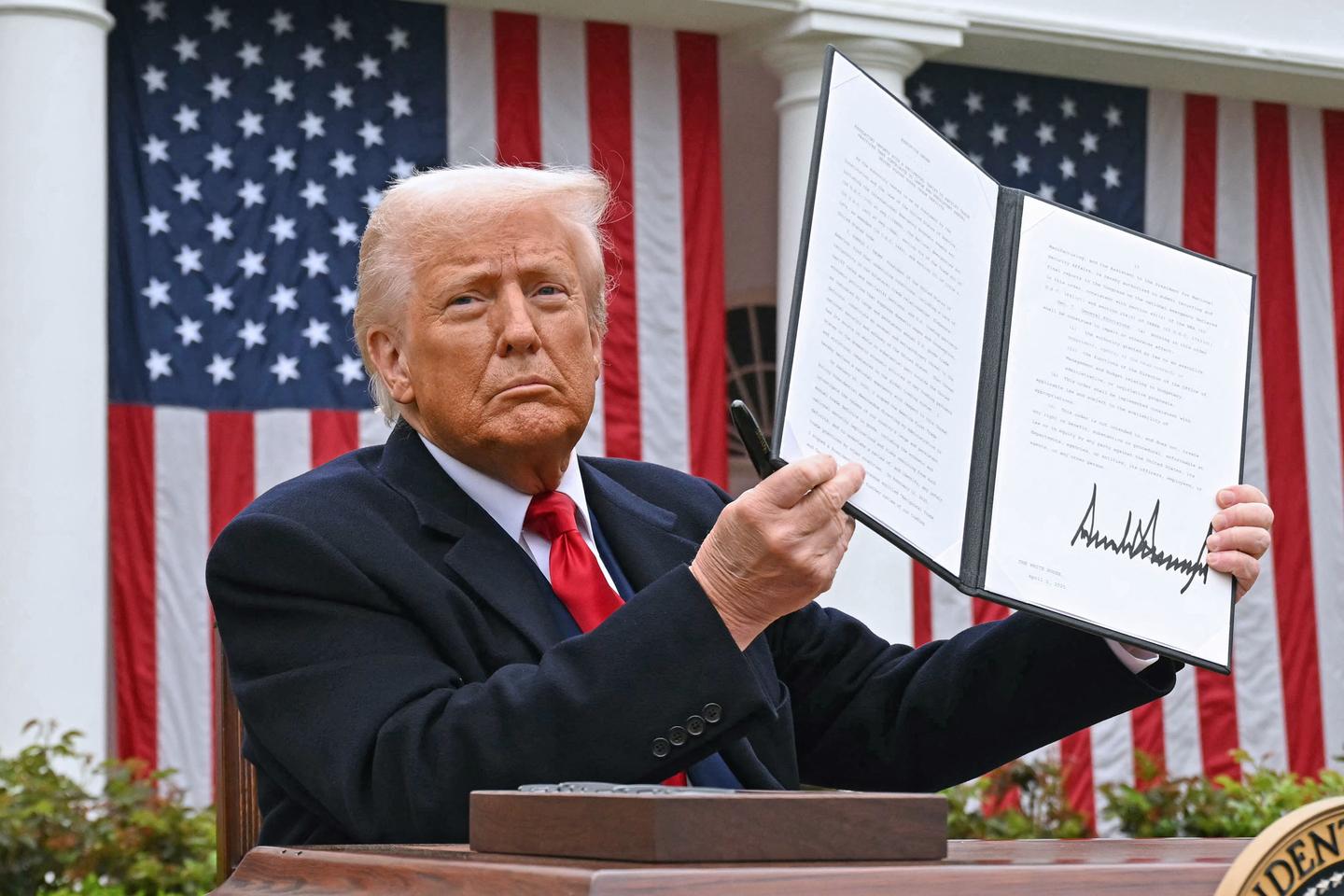
Donald Trump speaks to journalists near the Lincoln Memorial Reflecting Pool in Washington, on May 7, 2026 KYLIE COOPER/REUTERS
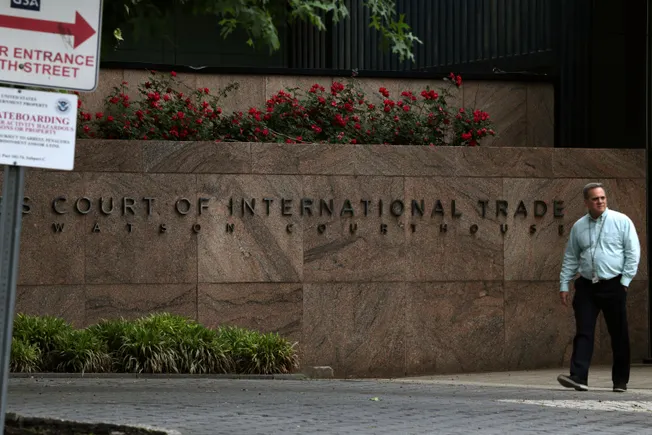
Donald Trump's tariff offensive has once again crashed into the wall of the American justice system. On Thursday, May 7, the US Court of International Trade overturned the 10% import tax imposed by the president in February on all countries worldwide. Federal judges ruled that the president had once again exceeded his authority, as tax policy is normally the responsibility of Congress.
The setback is significant, as tariffs are the cornerstone of Trump's economic and geopolitical vision. It is based on the economically highly questionable idea that other countries around the world are taking advantage of American generosity without paying a fair price in return. Import taxes are praised as a way to reindustrialize the country and fill government coffers – claims that are also debatable. This approach aligns with the president's view of international relations, which is based on threats, negotiation and securing deals favorable to Washington.
It is difficult to gauge the full impact of the decision or how the administration will interpret it, given it still has the option to appeal. The tariffs in question were only valid until July, at which point Trump would have needed lawmakers' approval to extend them – which seemed unlikely – or would have had to find a new legal basis to continue his trade war. The White House appeared to be leaning toward the latter. Trump showed his usual resourcefulness on the issue. "We always do it a different way," he told reporters after the decision was released.