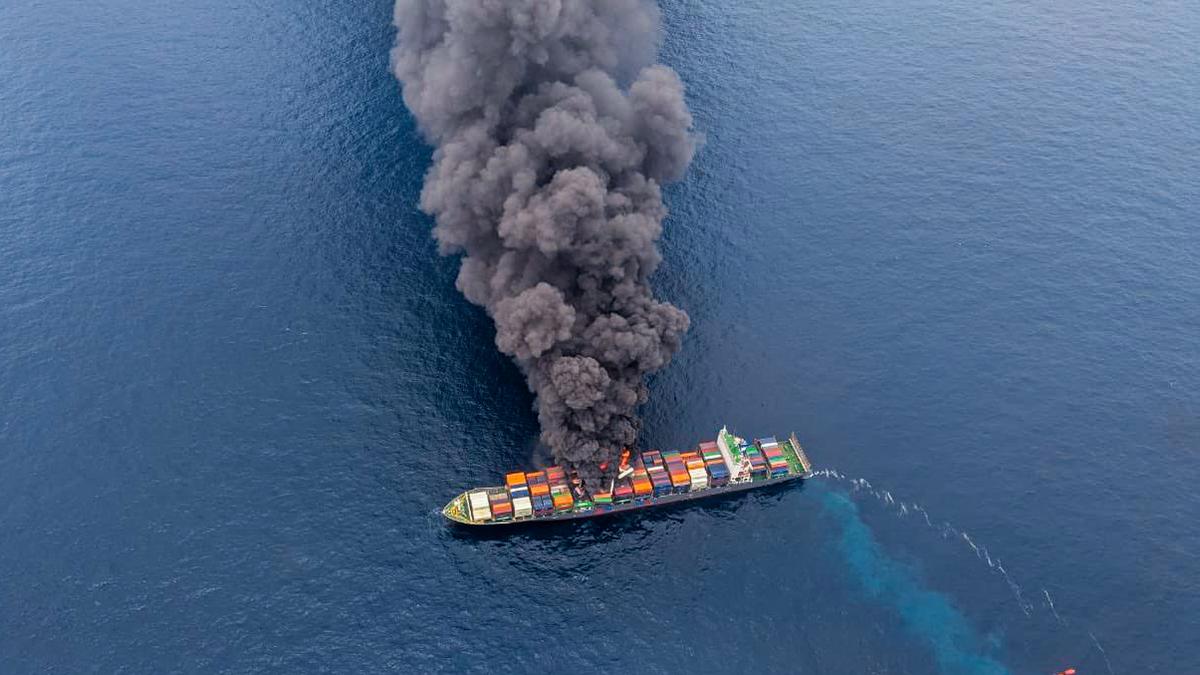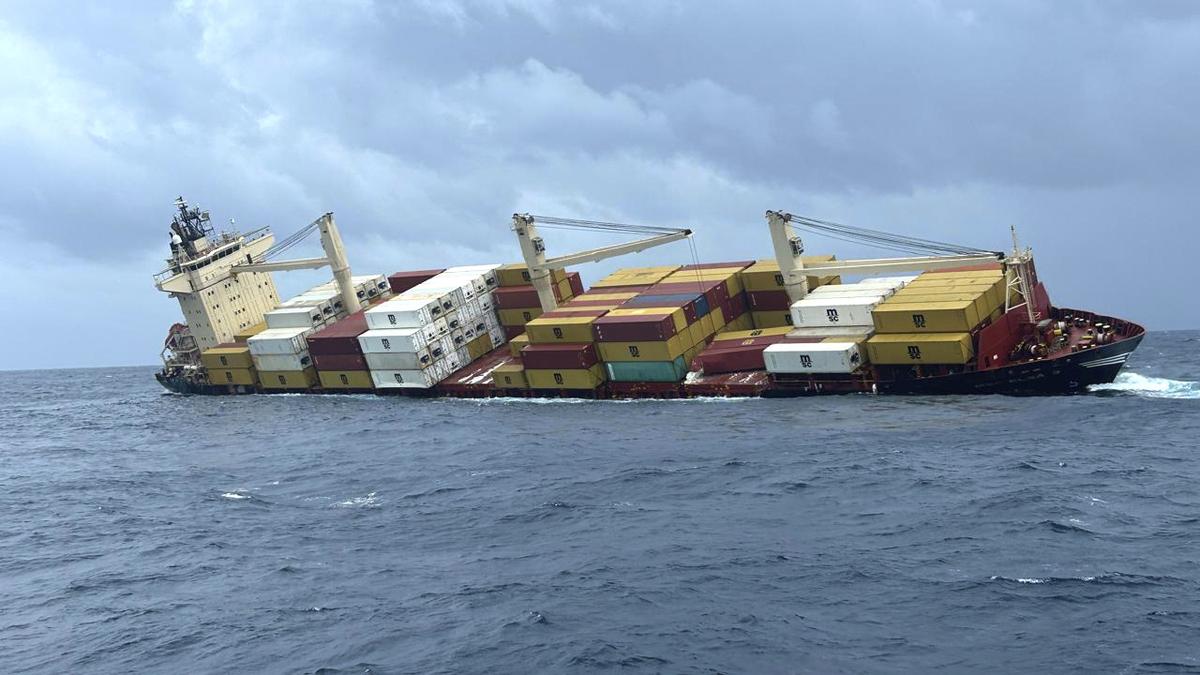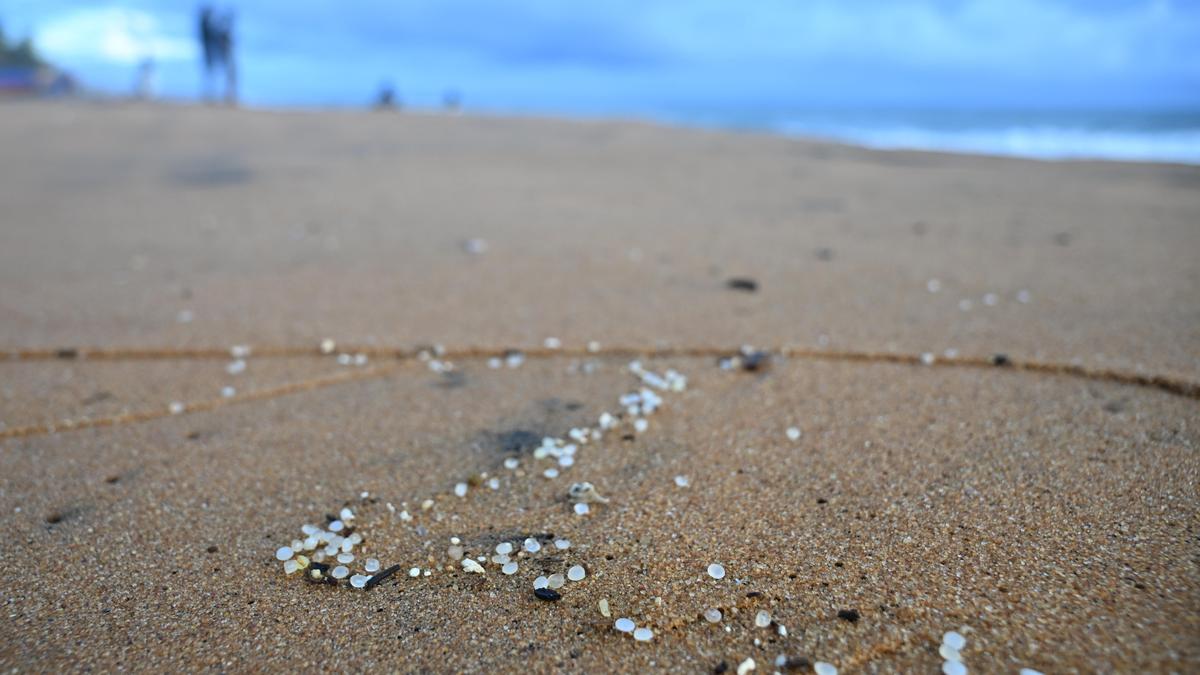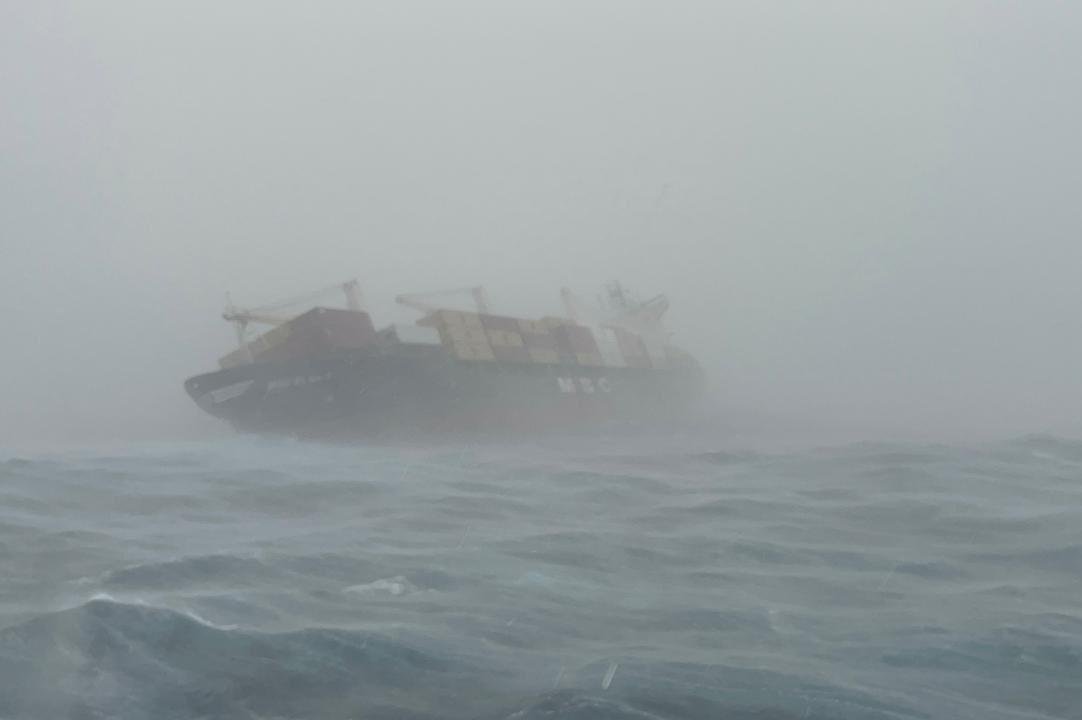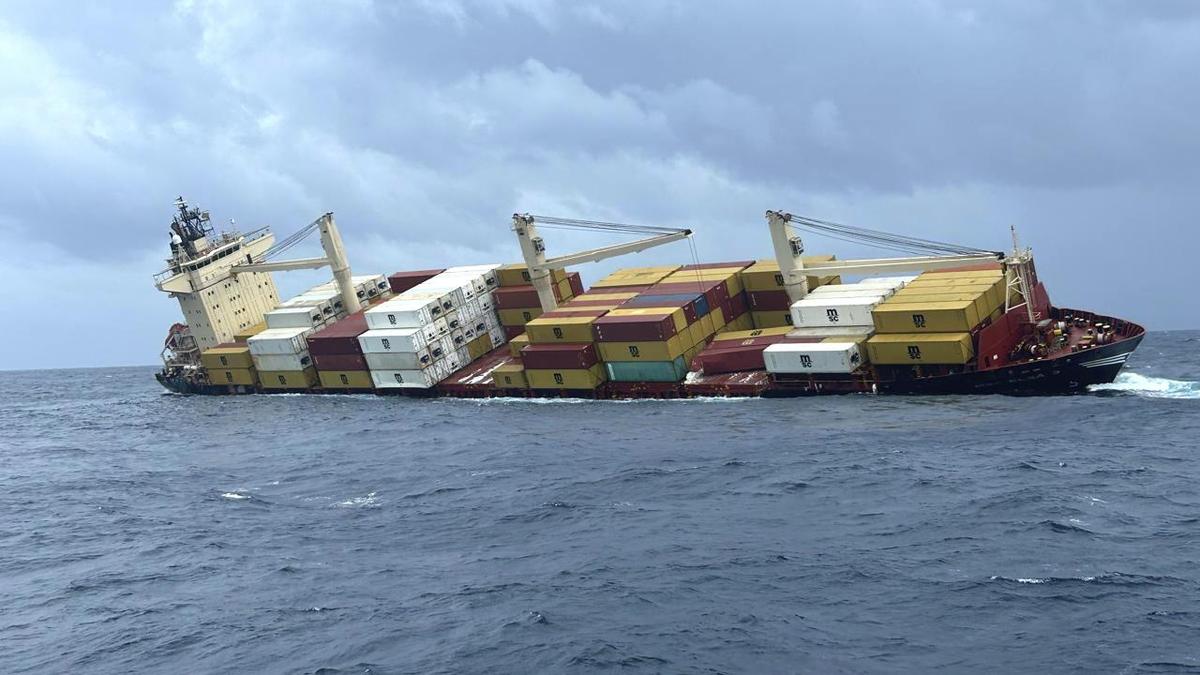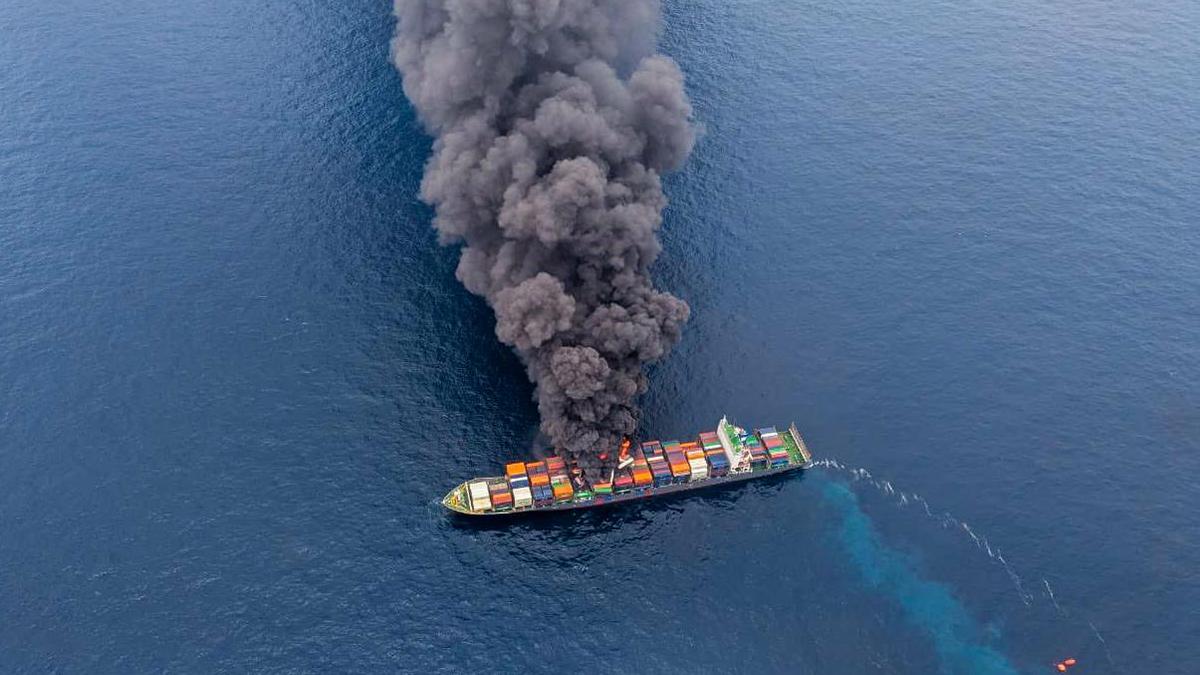
Kerala had witnessed two shipwrecks off its coast involving two separate vessels – MSC Elsa 3 and MV Wan Hai 503 – on May 25, 2025 and June 9, 2025 respectively. The incidents had raised a serious threat to the State’s marine ecosystem and coastal environment. The container ship MSC Elsa 3 went down with 640 containers, including 13 with hazardous cargo and 12 with calcium carbide. A large quantity of pellets, also called nurdles, had washed ashore on the southern coast following the incident. It prompted the authorities to step up efforts to formulate an Oil Spill Contingency Plan (OSCP). The Kerala State Pollution Control Board (KSPCB), which was entrusted by the government to initiate the required measures, had awarded the work to a Bangalore-based firm. The agency submitted a report dated April 20, 2026 before the National Green Tribunal stating that the draft OSCP is ready. The Principal Bench of the NGT had taken suo motu cognisance of the environmental impact caused by the sinking of the container ship MSC Elsa 3 and had asked the authorities to come up with remedial plans.
Kerala has a coastal line of 590 km, and the entire coast is prone to oil spill disasters as one of the international oil transportation routes is adjacent to the State’s coastal line. Of the 14 districts, nine are oil spill-prone. As per the terms of reference for preparing the OSCP, oil tankers and other ships visiting ports located in the State pose a risk to the coastline areas, when they are involved in accidents. The proposal to prepare an OSCP was initiated in 2016 as part of a governmental review of the preparedness of major accident hazard units to handle chemical accidents. However, it got delayed due to various technical and financial hurdles. The scope of work included marine oil spills that occur within 12 nautical miles (24 km) of Kerala’s coastline and riverine systems extending 40 km inland or till tidal effect is evident, whichever is greater.