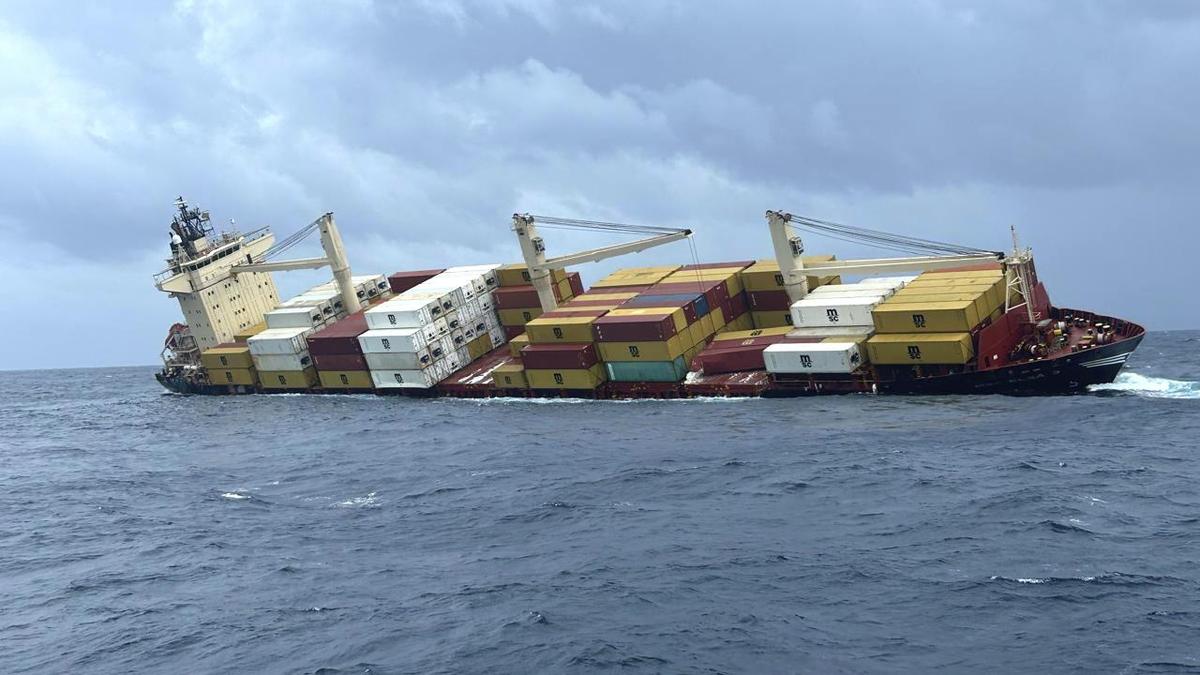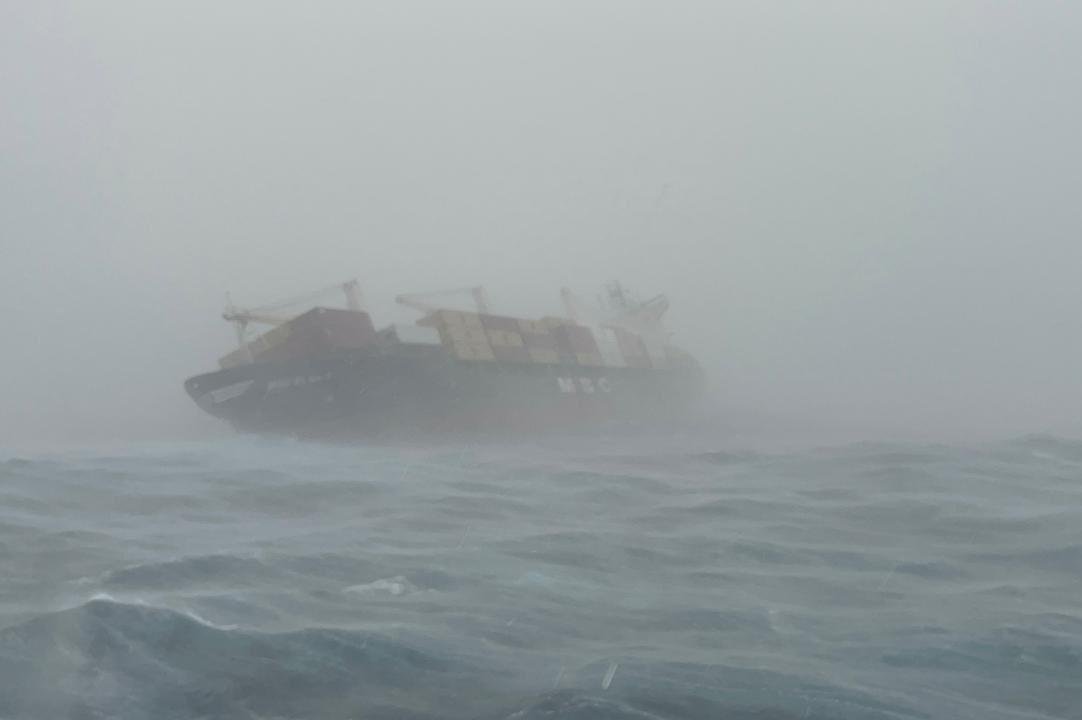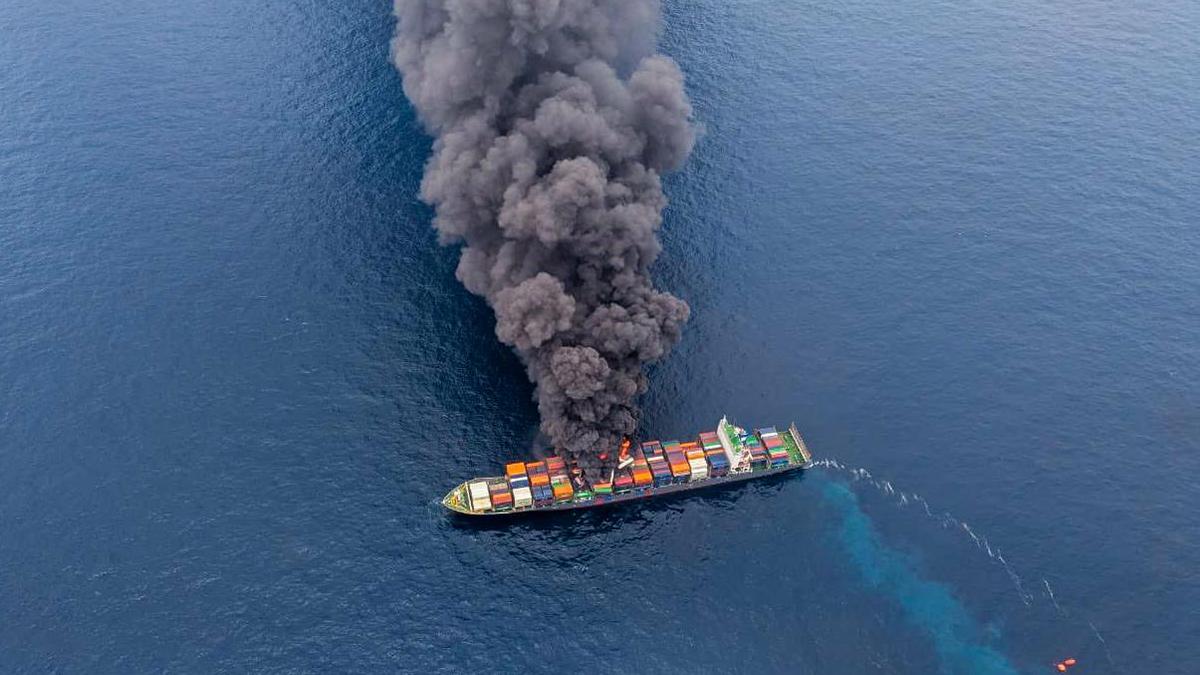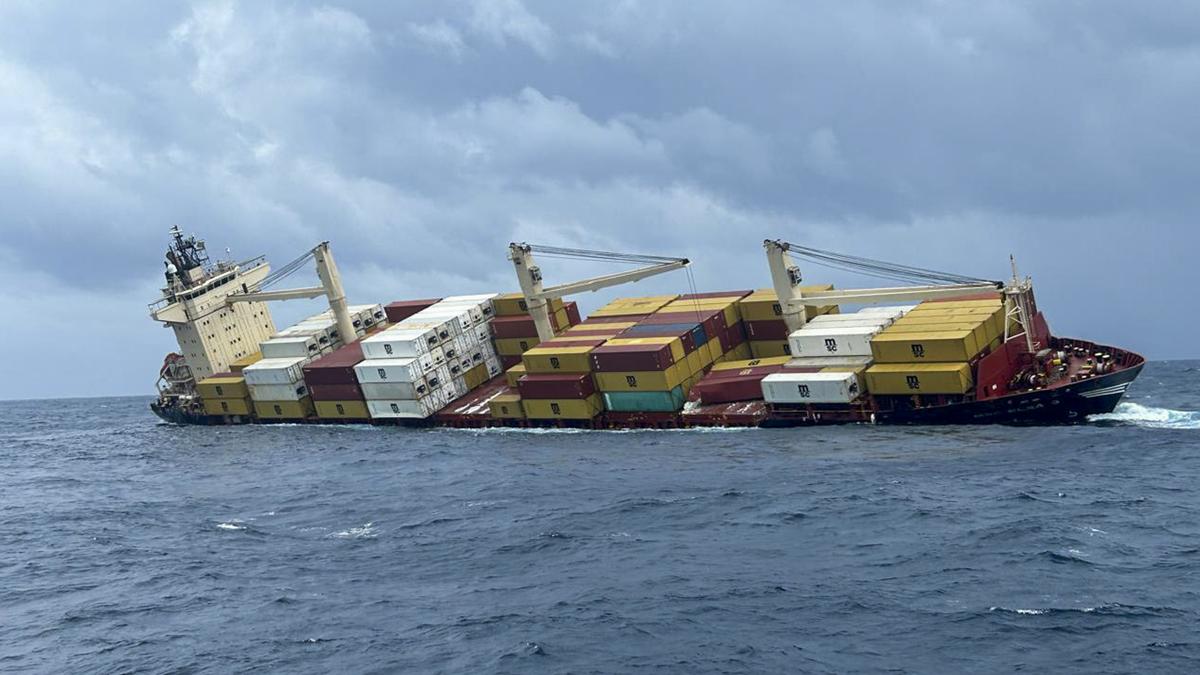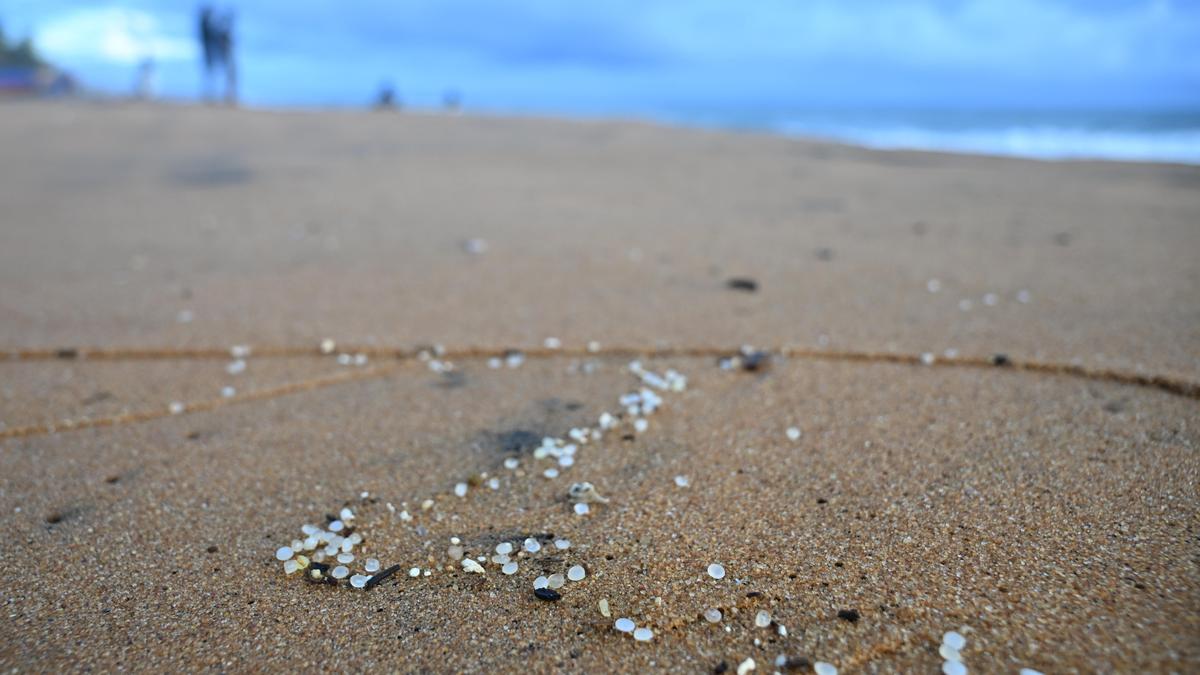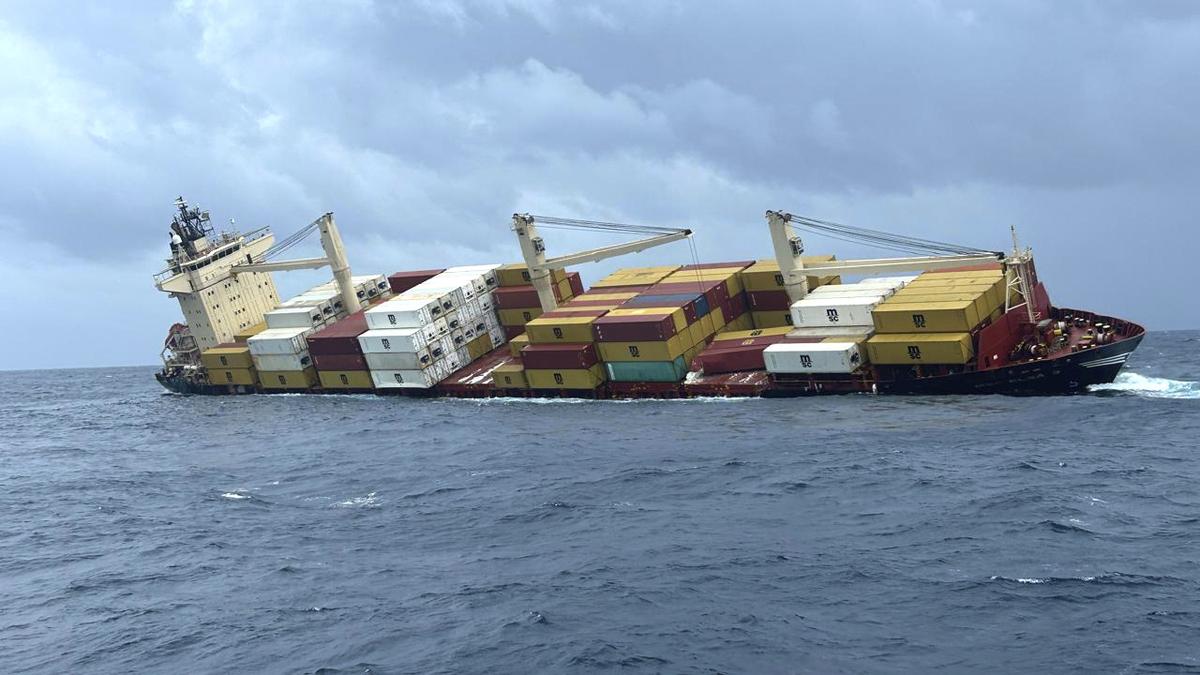
The sinking of the ELSA 3 ship off the Kerala coast in May led to a significant ecological disruption in the south-eastern Arabian Sea, affecting water quality, plankton, fish eggs and larvae, and higher marine life, a new study has said.
In a statement, the Ministry of Earth Sciences said the persistence of oil even after several days, despite prevailing turbulence and current flows, highlights the risk of continued leakage.
The study, conducted by the Centre for Marine Living Resources and Ecology (CMLRE), underscores the urgent need for sealing of the wreck’s fuel compartments and long-term monitoring of the impacted region to safeguard marine ecosystems and fisheries resources.
MSC ELSA 3, carrying 640 containers including hazardous cargo, sank on May 25, roughly 38 nautical miles off the Kerala coast.
The vessel was loaded with an estimated 85 metric tonnes of diesel and 367 metric tonnes of furnace oil, in addition to at least 13 containers of dangerous substances such as calcium carbide.